
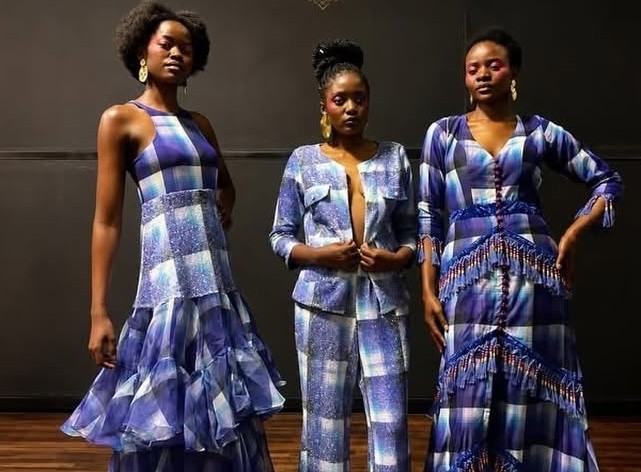
An ancient San rock painting. A Mogagolwane motif. A piece of German print. They belong to generations of Botswana’s cultural memory, but what happens when they inspire luxury fashion? Koki Kamala’s Heritage Reimagined:Living Archives has opened a bigger conversation about ownership, originality and whether culture itself can ever be copyrighted
GOSEGO MOTSUMI
The question arrived after the applause.
Following Botswana luxury brand Koki Kamala’s Heritage Reimagined:Living Archives exhibition and fashion show, where Botswana’s landscapes and traditions walked the runway as luxury garments, the conversation shifted from beauty to ownership.
Can a designer own culture? Can a traditional motif become intellectual property?
Or does heritage remain forever belonging to the people who created and carried it through generations?
For designer and founder of Koki Kamala, Koketso Koki Chiepe the answer lies somewhere between respect and originality.
HERITAGE IS THE STARTING POINT
Chiepe’s designs draw from the Okavango Delta’s waterways, the Makgadikgadi Salt Pans, Tsodilo Hills San art, Mogagolwane motifs and German print (leteisi). But Chiepe in an interview said inspiration is only where the creative journey begins.
“My work begins with Botswana’s landscapes, history and cultural traditions, but it never ends there. Inspiration is only the starting point.”
An ancient San rock painting or ceremonial blanket is not simply copied onto fabric. It is transformed through original textile development, print design, colour, silhouette, craftsmanship and storytelling.
By the time it becomes a garment, she said, it becomes a new creative expression.
“What I own is my original artistic interpretation of that heritage,” Chiepe pointed out.
THE LINE BETWEEN CULTURE AND COPYRIGHT
The intellectual property debate becomes complicated because cultural heritage and creative ownership are not the same thing.
“Heritage belongs to all of us,” Chiepe said.
Traditional cultural expressions that have existed for generations form part of a shared identity. But original designs, textile artwork and print compositions created through a designer’s creative process can be protected.
The goal, she said, is not to claim ownership over Botswana’s history, but to protect innovation built from it.
KEEPING STORIES ALIVE
Some fear that turning cultural symbols into fashion risks stripping them of meaning. Chiepe believes the bigger danger is allowing them to disappear from everyday life.
“I believe the greater risk is that they disappear from everyday life altogether.”
For her, fashion is another language of preservation. It allows younger generations to engage with heritage in new ways while understanding the stories behind what they wear.