
Botswana wants 40,000 creative-sector jobs by 2051. The National Arts Council says the real work starts when artists get more than applause: financing, intellectual property protection and access to markets.
GOSEGO MOTSUMI
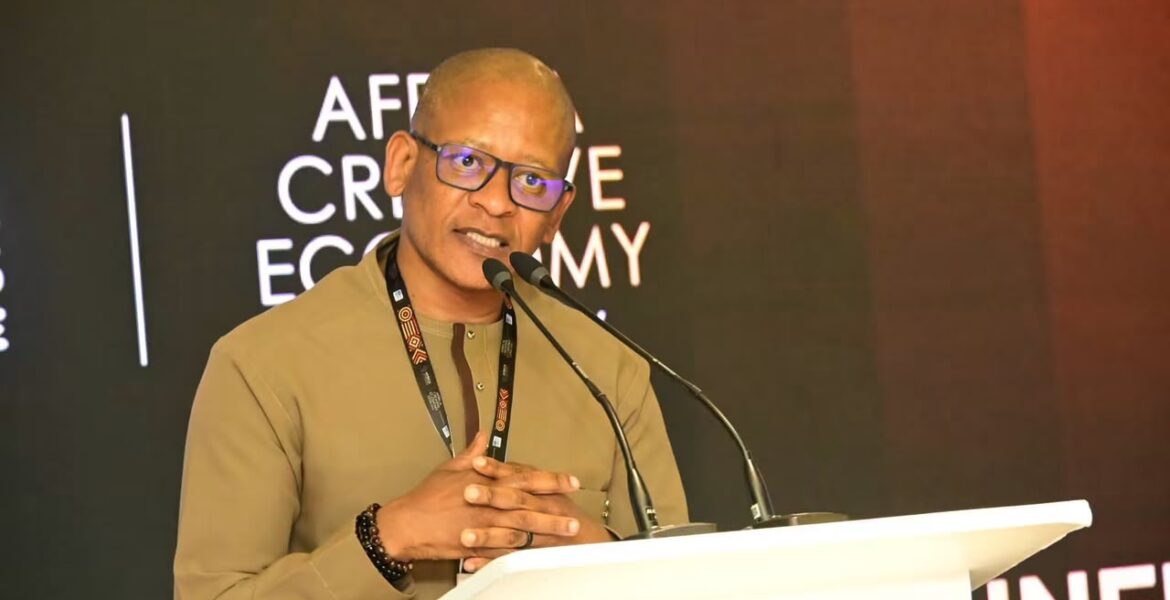
Botswana has no shortage of creative talent. What it needs is a business plan that works as hard as the artists do. At the Africa Creative Economy Lens (ACEL) 2026, National Arts Council of Botswana (NACB) chief executive officer Gao Lemmenyane laid out an ambition that could change the game: 40,000 jobs and a creative sector contributing 2.5% of GDP by 2051.
The catch? Talent alone will not get Botswana there.
BEYOND THE APPLAUSE
“We must move beyond celebrating talent,” Lemmenyane said, challenging a creative economy that too often recognises the finished song, painting, film or basket without accounting for the businesses, intellectual property and livelihoods behind it.
The Council’s proposed fix is an interconnected ecosystem, linking creators to investment, skills, infrastructure, intellectual property protection and paying customers. In other words, fewer disconnected initiatives and more routes from creative ideas to commercial success.
CAN ARTISTS BANK ON THEIR ART?
Finance remains a major hurdle. Many creative enterprises rely on unpredictable grants and sponsorships, leaving viable projects stranded when funding runs dry.
The NACB is working towards a sustainable financing mechanism that could combine public and private contributions, with options spanning grants, working capital, project financing and investment.
There is another potential game-changer: intellectual property. Music catalogues, royalties, film rights and artwork collections can hold economic value, yet creators may struggle to secure conventional loans. Lemmenyane wants systems that could allow these assets to be assessed for suitable financing arrangements.
CULTURE WITH COMMERCIAL VALUE
Botswana’s traditional designs and craftsmanship could also open new doors. The Council is exploring partnerships to document traditional patterns, identify rights holders and investigate licensing opportunities that allow designers and businesses to use cultural knowledge while benefiting the communities connected to it.
Meanwhile, recognising prior learning could help self-taught musicians, dancers and other practitioners turn years of experience into formally acknowledged skills.
The bigger question is whether these ambitions will translate into functioning systems, accessible finance and real customers.
Lemmenyane’s message at ACEL 2026 was clear: Botswana’s creative future cannot run on talent and good intentions alone. The infrastructure must catch up.