
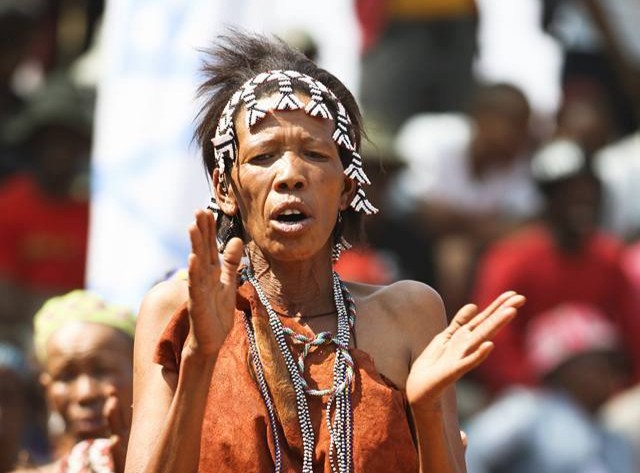
Ghanzi leaders say reviving the Kuru Dance Festival could support cultural preservation, tourism and local economic activity.
BONGANI MALUNGA
For decades, the Kuru Dance Festival was more than an annual gathering in D’Kar village. It was a celebration of San heritage, a tourism attraction and a cultural bridge connecting Botswana to visitors from other countries. Today, community leaders in Ghanzi are calling on the government to help bring the festival back.
The last edition of the Kuru Dance Festival was held in 2023, with administrative and funding challenges preventing its return in recent years. Speaking during last week’s commemoration of World Day for Cultural Diversity for Dialogue and Development, Ghanzi District Council chairman Thabiso Kebadile stressed the need to revive the event.
REVIVAL CALL
“We have deserted an important aspect of amplifying the San culture by not hosting the Kuru Dance and Arts Festival. It’s an event that was world renowned, it attracted the international community and they invested in our local economy in the area,” said Kebadile.
For many residents, the absence of the festival represents more than the loss of a tourism event. Since its inception in 1997, the Kuru Dance Festival has served as a living showcase of San traditions, bringing together performers, artisans and cultural custodians to celebrate their identity through song, dance and storytelling.
LIVING SHOWCASE
The festival was also an economic driver for the region. International visitors travelled to D’Kar and surrounding areas, creating opportunities for local tourism operators, transport providers, caterers and accommodation establishments. Local artisans benefited from demand for traditional crafts, beadwork and handmade products, allowing them to generate income while sharing their culture with visitors.
Community leaders argue that the value of the festival cannot be measured only in economic terms. They believe the event played a critical role in preserving cultural knowledge and passing traditions to younger generations.
TSUTSUBE DANCE
Kebadile also highlighted concerns surrounding the Tsutsube dance, noting that many outsiders view it simply as entertainment without fully appreciating its historical and cultural significance within local communities.
The Kuru Dance Festival carried deep sentimental and spiritual meaning for the San people. Traditionally staged in August, the event’s timing often coincided with the full moon, adding a symbolic and ceremonial dimension to the celebrations.
CULTURAL EDUCATION
During last week’s commemoration, several speakers echoed calls for greater cultural preservation efforts, including the incorporation of culture and heritage studies into Botswana’s school curriculum. They argued that educating young people about the country’s diverse cultural traditions is essential for safeguarding them for future generations.
As Botswana continues to mark its cultural diversity, leaders in Ghanzi say the revival of the Kuru Dance Festival would restore a cultural event, support efforts to preserve one of the country’s distinctive cultural expressions and help keep San stories visible to younger generations and visitors.