
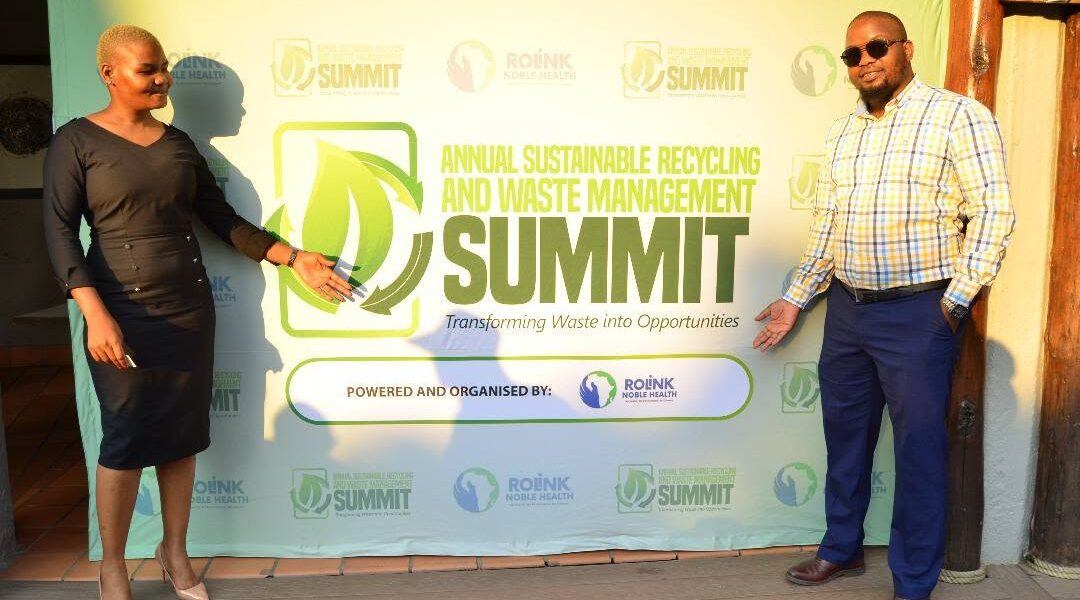
The third Sustainable Recycling and Waste Management Summit wants to turn discarded stuff into economic opportunity and take the conversation from conference rooms to the streets.
GAZETTE REPORTER
What if Botswana stopped treating waste as the end of the story?
That is the question hanging over Kasane when the 3rd Annual Sustainable Recycling and Waste Management Summit lands at Cresta Mowana Safari Lodge & Spa from October 7 to 8. Organised by Rolink Noble Health (Pty) Ltd, the summit is pitching a different relationship with rubbish: less dumping, more recovering, recycling and rethinking.
The theme — “Sustainable Pathways: Turning Ideas into Action through Solutions, Opportunities & Finance” — signals a deliberate move away from simply talking about the problem.
FROM TALK TO ACTION
Government, local authorities, businesses, academics, civil society and communities are expected around the table, with discussions ranging from resource recovery and circular-economy opportunities to emerging technologies, policy, institutional capacity and the money needed to make environmental projects work.
The organisers say lessons from the 2024 and 2025 editions have reinforced the need for practical collaboration.
“We want to leave a long-lasting impact in terms of recycling and waste management because we believe that waste is not waste until it is wasted,” they said.
It is a neat line, but the real test is what happens after the microphones are switched off.
TAKE IT TO THE STREETS
On October 9, the summit leaves the lodge behind for a community engagement day featuring litter-picking, environmental awareness and capacity-building activities.
That shift, from PowerPoint to picking up litter could be the summit’s most interesting move.
Because circular economy talk can sound abstract until a discarded bottle becomes recyclable material, an old product becomes something useful again, or waste creates a livelihood rather than occupying a landfill.
THE BUSINESS OF RUBBISH
The summit is ultimately asking Botswana to look at waste differently: not merely as an environmental headache, but as a resource with economic possibilities.
The challenge is turning that idea into systems that work and keeping them working long after the summit ends.