
Opposition party claims that the forensic audit may be politicized citing social media targeting and premature public judgement before final findings are released
BONGANI MALUNGA
Opposition voices in Botswana have raised concerns that the national forensic audit, widely anticipated as a key accountability mechanism, may ultimately fall short of producing conclusive findings, warning instead that the exercise risks being overtaken by political narratives and social media speculation.
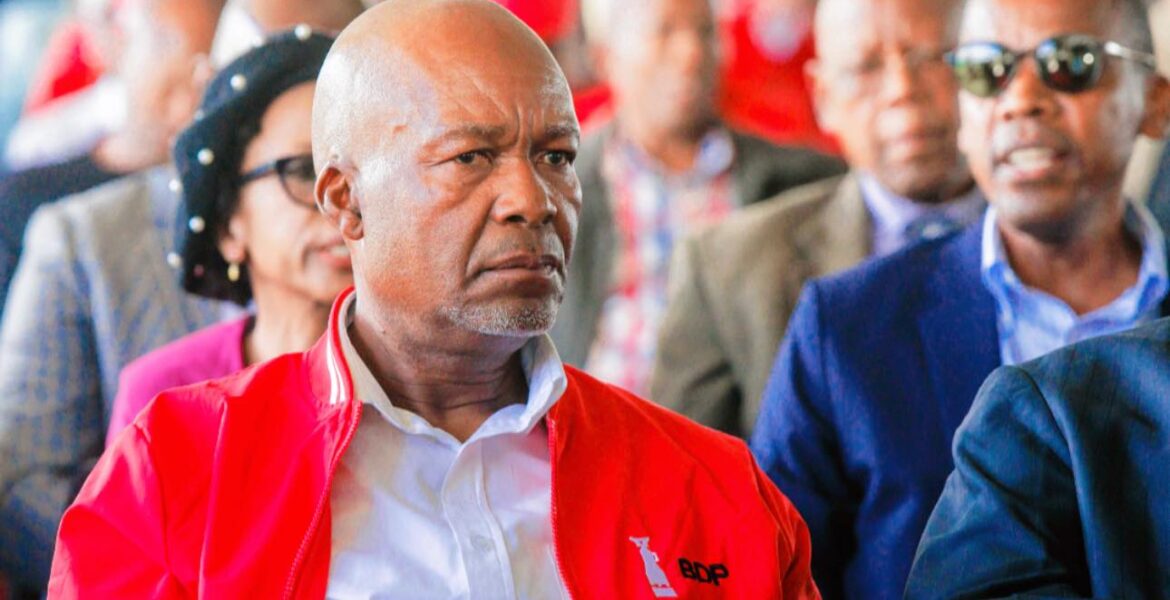
The concerns centre on the distinction between an audit and a formal investigation, with Botswana Democratic Party (BDP) Secretary General Kentse Rammidi arguing that the public expectation has been inflated into something closer to a prosecutorial outcome. According to the opposition party, the audit’s technical scope limits its ability to definitively establish wrongdoing, yet public discourse has already begun to treat preliminary interpretations as final verdicts.
POLITICAL MESSAGING
Tensions have been further heightened by the political messaging surrounding the process. President Duma Boko’s earlier public remarks suggesting that individuals may have “looted the country” have been flagged by opposition figures as contributing to a climate in which citizens are effectively subjected to what they describe as a “trial by public opinion,” well before the full report is released.
“We understand that findings from the audit couldn’t be conclusive as this was not an investigation but an audit, the problem is the President of the Republic has given the nation an expectation that it will be released and his allegations before the release of the audit that people have looted the country are not helping. People are subjected to unfair public court,” Rammidi told this publication.
PERCEPTIONS OF GUILT
A parallel concern raised by opposition voices is the growing role of social media in shaping perceptions of guilt. They argue that online discussions have already begun to isolate and implicate specific individuals, creating what they describe as a form of political warfare that risks undermining both due process and institutional credibility.
Despite these concerns, there remains acknowledgement of the institutions overseeing the process. Opposition commentary expresses confidence in the integrity of the audit coordination structures, urging them to safeguard the report from misuse and ensure that its findings are not distorted by political interests.
“We trust the integrity of those who were assigned to be an audit coordination committee and we trust they will intervene should the report be subjected to anything untoward,” Rammidi concluded.