
The BDP has apologised for the P100 billion saga, saying the controversy misled the nation and damaged reputations, while also calling for personal accountability over those responsible for the fabrication
SESUPO RANTSIMAKO
The Botswana Democratic Party (BDP) has issued a public apology to Batswana over the controversial P100 billion saga, acknowledging that the matter, which unfolded during its time in government, misled the nation and caused serious reputational harm to several individuals.
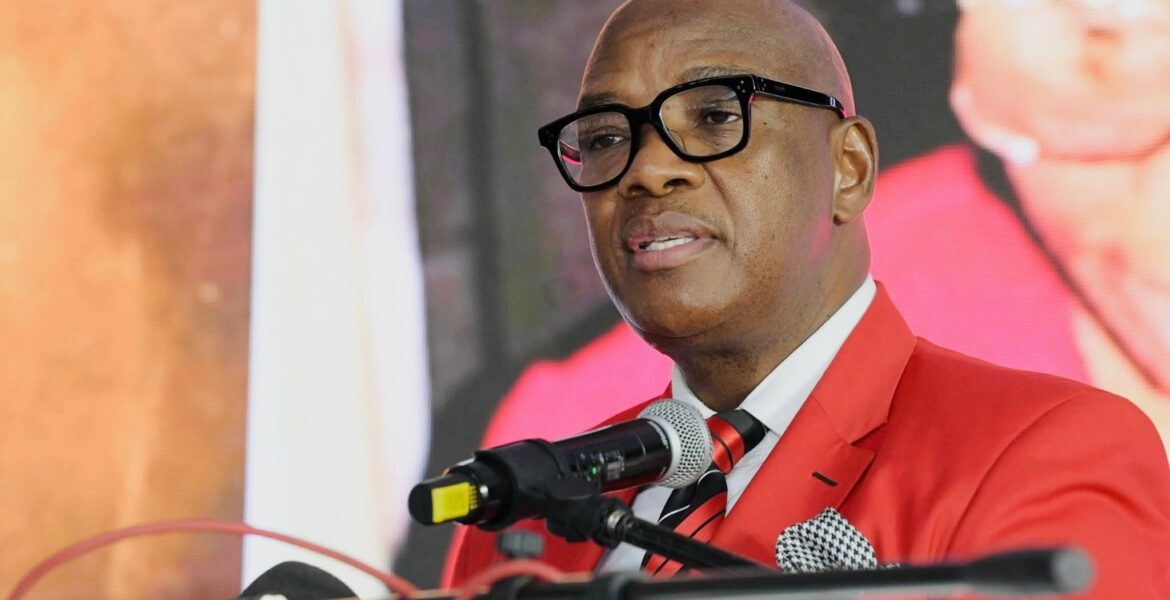
Speaking at a media briefing this week, BDP president Mpho Balopi said the party felt obliged to apologise because the controversy occurred under its administration, even though subsequent investigations found no evidence of a prosecutable case.
Balopi said it was unfortunate that state institutions were allegedly used in a manner that contributed to misleading the public over the existence of missing funds from the Bank of Botswana. He said the fallout from the allegations had far-reaching consequences, affecting not only those directly named but also others indirectly linked to the claims.
He added that several individuals continue to suffer reputational damage despite the fact that no evidence has been established to support the allegations that dominated public discourse for years.
The remarks come after Director of Public Prosecutions (DPP) Kgosietsile Ngakayagae discontinued all matters linked to the P100 billion claims, concluding that there was no basis for criminal prosecution. The allegations had suggested that P100 billion had gone missing from the Bank of Botswana and implicated several high-profile individuals, sparking widespread political and public debate.
Balopi said the DPP’s decision confirmed that the case should never have proceeded in the manner it did, and called for accountability from those responsible for initiating and sustaining the claims.
CALL FOR ACCOUNTABILITY
While accepting the BDP’s political responsibility as the ruling party at the time, Balopi insisted that individuals who allegedly misused state institutions or spread unverified information must be held personally accountable.
He said accountability was necessary to restore public trust in institutions and to prevent similar incidents in future.
Balopi also argued that those responsible should bear the financial consequences of the public apology issued to Bridgette Motsepe, which was published after the allegations against her were found to be unsustainable.
He said it would be unfair for taxpayers to cover costs arising from what he described as the actions of individuals who misled the public and caused unnecessary reputational and financial harm.
According to Balopi, while the BDP accepts responsibility as the governing party during the period in question, there must be a clear distinction between political accountability and personal liability for those who allegedly abused public office or propagated unfounded claims.