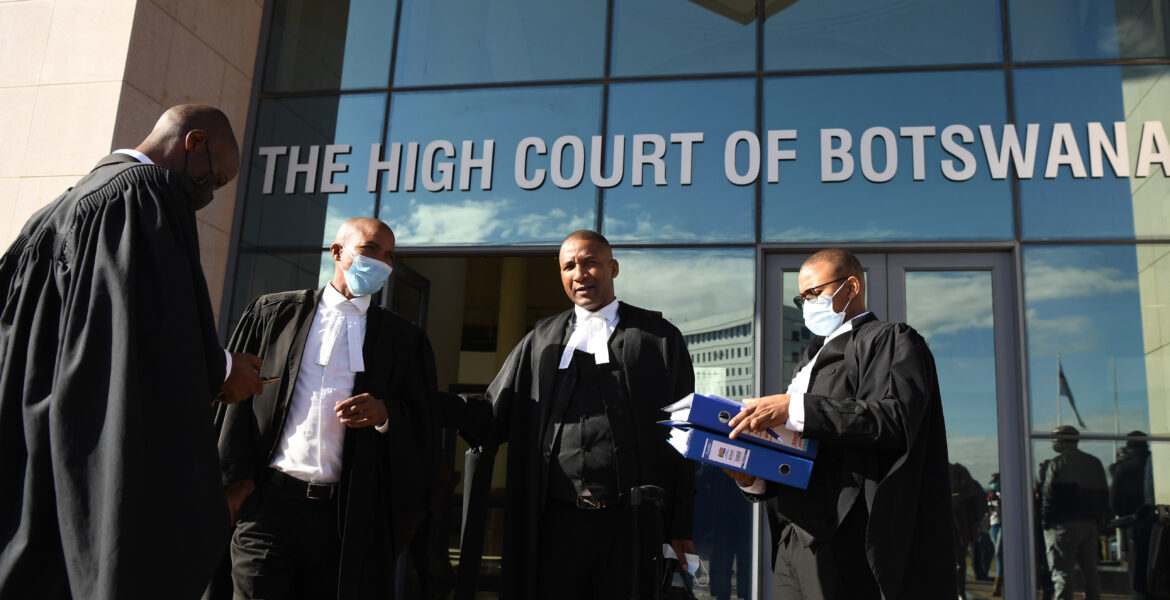
While supporting the idea of a constitutional court, the BOCONGO says the Bill lacks clear guidance on interpreting fundamental rights and warns that it shifts judicial structure without strengthening constitutional protections
SESUPO RANTSIMAKO
The Botswana Council of Non-Governmental Organizations (BOCONGO) has raised concerns over the recently passed Constitutional Court (ConCourt) Bill, questioning whether it will fully deliver on promises made during kgotla consultations and other public engagements.
In a discussion paper released after the Bill’s adoption, BOCONGO noted that while there is support for establishing a constitutional court, some stakeholders believe the current judicial system has not sufficiently protected rights under Chapter II of the Constitution.
UNCLEAR ROLE OF PROPOSED COURT
The organisation, however, argues that the Bill does not clearly explain how the proposed court will interpret constitutional rights, raising uncertainty about its practical role in safeguarding fundamental freedoms.
BOCONGO further said that although the Bill does not alter the substance of constitutional rights, it significantly restructures the judiciary by transferring constitutional matters to the new court without strengthening the underlying provisions.
DIGITAL RIGHTS AND EMERGING CHALLENGES
The NGO also highlighted emerging challenges in the digital age, including artificial intelligence, data privacy, and surveillance, saying judges appointed to the court would require specialised expertise to handle such evolving rights issues.
It concluded that without clearer interpretive guidelines and a stronger framework for modern human rights challenges, questions remain over whether the court will achieve its intended purpose.
LONGSTANDING CONCERNS
BOCONGO has previously opposed the constitutional reform process, arguing it lacked inclusivity and calling instead for a comprehensive constitutional review rather than what it terms a piecemeal approach.
BOCONGO Questions Impact of ConCourt Bill