
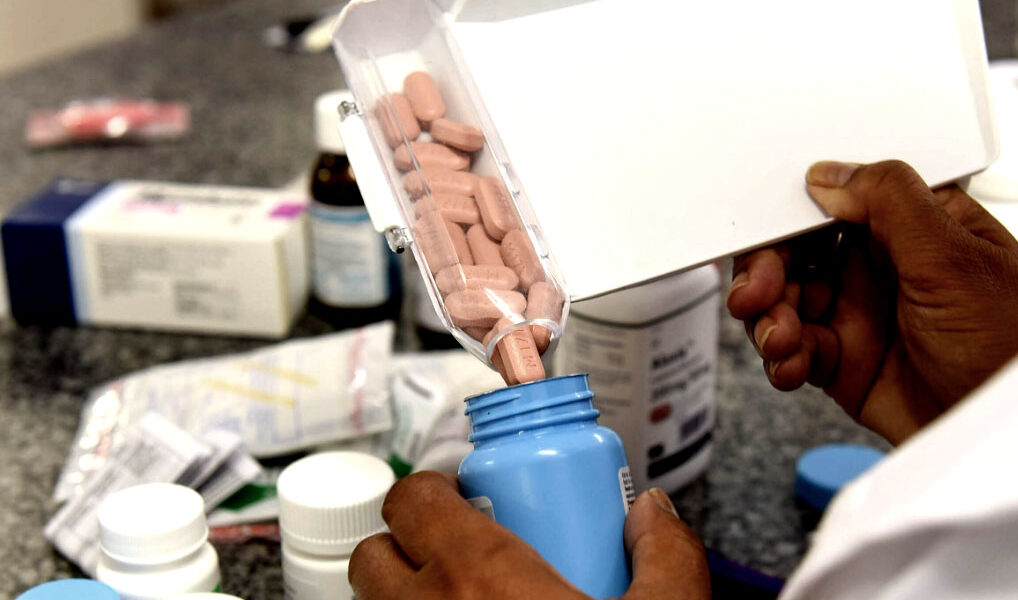
BoMRA has asked the World Health Organisation to engage Indian authorities over recalled TB medicines found deficient in critical treatment components.
BONGANI MALUNGA
The Botswana Medicines Regulatory Authority (BoMRA) has escalated the controversy surrounding faulty tuberculosis medicines to the World Health Organisation (WHO), seeking intervention over drugs originating from India that were found deficient in critical components needed to treat TB.
The latest development shifts the matter from a domestic investigation into an international regulatory issue, months after Botswana recalled the affected medicines following an unusual rise in patients failing to respond to treatment.
The escalation was revealed before the Gaborone City Council (GCC) last Thursday, where councillors have been pressing health authorities to explain what action has been taken against those responsible for supplying the defective medicines.
Complaint lodged
Providing an update, GCC Deputy Clerk-Primary Health Care Kgomotso Moruisi said BoMRA had formally approached WHO, requesting the global health body to engage Indian authorities over the matter.
“BoMRA has officially written to the World Health Organisation (WHO) regarding this matter for the organisation to reach out to the Indian government, where the medicines came from. The matter is currently before the WHO,” Moruisi revealed.
The development potentially opens a new chapter in a controversy that erupted late last year after routine monitoring by the Ministry of Health detected an abnormal increase in TB treatment failures.
Faulty batch
In December 2025, the Ministry announced that an affected batch of Fixed Dose Combination TB medicines had been quarantined and recalled after laboratory testing established that it was deficient in Rifampicin and Ethambutol, two critical medicines used in TB treatment.
The Ministry said surveillance had identified 40 patients who were not responding to treatment as expected, compared with 22 recorded over a comparable period a year earlier.
Patients who had received the affected medicines were subsequently called back for clinical reassessment and placed on alternative treatment according to their stage of care. Health authorities also initiated contact tracing and community screening measures aimed at limiting the risk of further TB transmission.
Accountability questions
The Ministry’s December intervention addressed the immediate public health consequences, but questions have persisted over accountability for the defective medicines and how they entered Botswana’s pharmaceutical supply chain.
GCC councillors have continued to pursue those questions, seeking clarity on measures being taken against parties responsible for the medicines.