
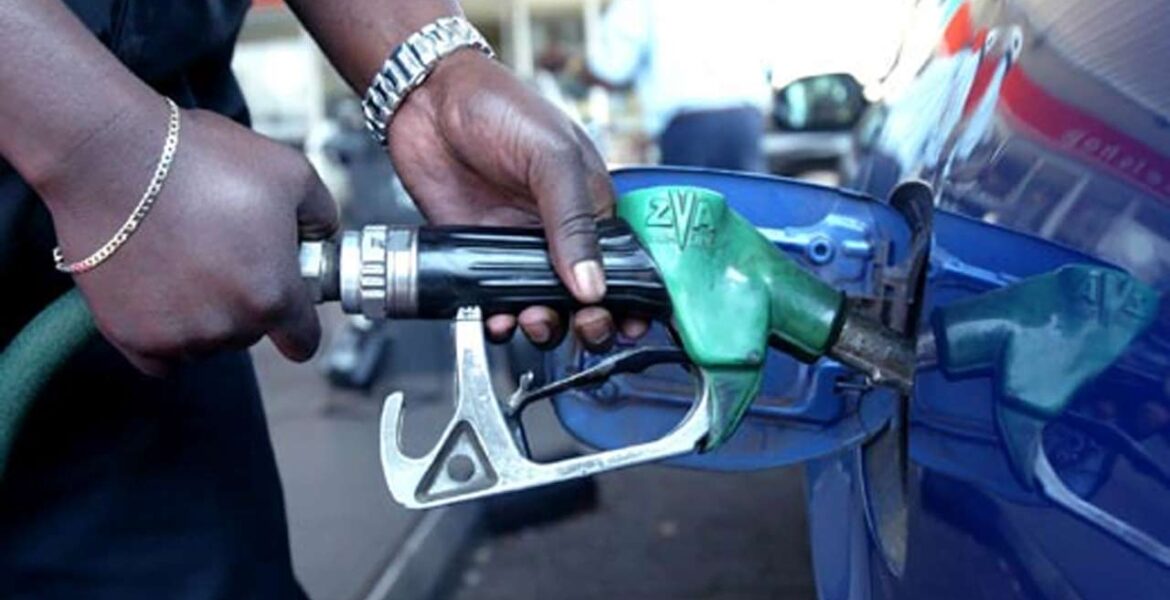
Policymakers are now faced with the delicate task of balancing economic stability with the need to reflect global market realities
BONGANI MALUNGA
Botswana is on high alert following a steep increase in fuel prices in South Africa, a development expected to have immediate ripple effects across the domestic economy. The South African Ministry of Mineral and Petroleum Resources confirmed that significant fuel price hikes took effect on Wednesday (today), driven by rising international oil prices and a weakening Rand.
According to the South African ministry, Petrol (93 and 95 ULP & LRP) has risen by R3.27 per litre, while diesel (0.05% and 0.005% sulphur) surged by R6.19 per litre, pushing fuel costs in South Africa to record highs. The increases are among the sharpest in recent years and are already raising concerns in Botswana, which relies heavily on fuel imports from its southern neighbour.
RELIANT ON FUEL IMPORTS
With Botswana relying on fuel imports from South Africa, the price shock will inevitably spill over into Botswana’s market, placing pressure on local fuel prices and increasing the cost of doing business. Transport operators, who are among the largest consumers of diesel, are expected to feel the brunt of the hikes.
The anticipated rise in fuel prices is also likely to feed into inflation, affecting the cost of essential goods and services. Botswana’s supply chains, many of which depend on road transport from South Africa, could face heightened operational costs, with retailers expected to pass some of the burden onto consumers.
AFFECTING BOTSWANA
Echoing broader concerns for Botswana, economist and financial sector specialist Keith Jefferis told The Botswana Gazette that rising fuel-related pressures could increase costs and alter fuel demand patterns in the country.
“It will obviously increase the transport costs of goods imported into Botswana. It will also increase demand for fuel in Botswana, as cross-border trucks will prefer to fill up in Botswana where fuel is cheaper,” Jefferis told this publication.
REGULATED TO CUSHION SHOCKS
While Botswana’s fuel pricing structure is regulated to cushion sudden shocks, the magnitude of the increases in South Africa has sparked concerns that an upward adjustment locally may be unavoidable.
In recent weeks, Botswana Energy Regulatory Authority (BERA) has said it will keep a close eye on changes in global fuel prices.