
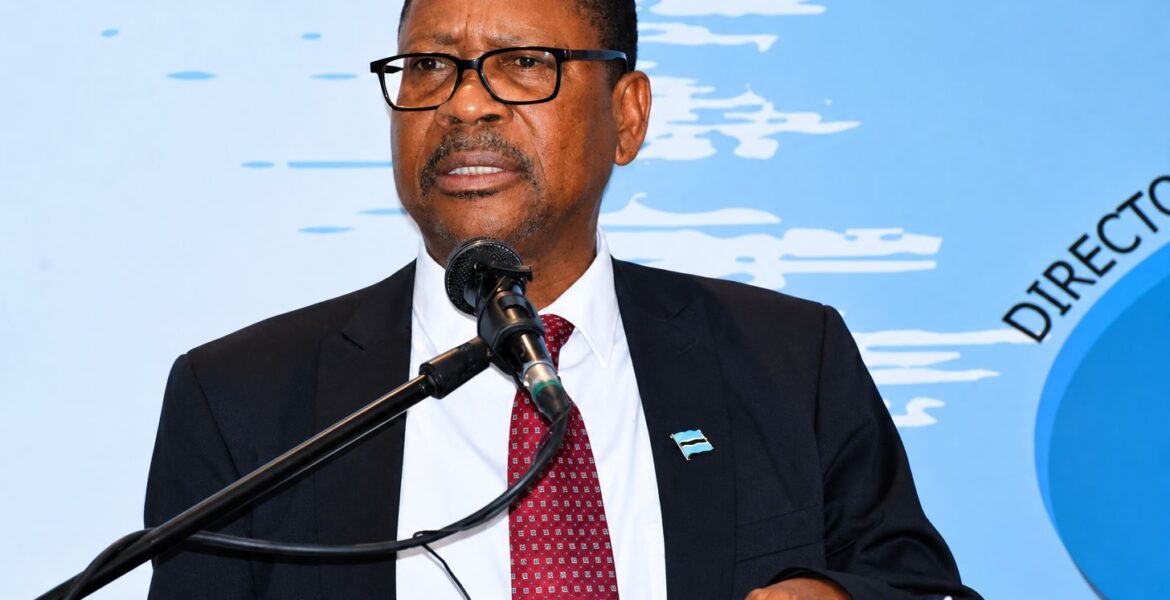
Proposed anti-corruption reforms would broaden the agency’s mandate, strengthen its independence and introduce parliamentary oversight.
GAZETTE REPORTER
The Directorate on Corruption and Economic Crime (DCEC) is preparing an overhaul of anti-corruption laws to cover contemporary economic crimes and strengthen its independence through parliamentary oversight, according to its 2025 Annual Report.
The proposed Anti-Corruption Bill, 2026, will repeal and re-enact the Corruption and Economic Crime Act (Cap. 08:05) in its entirety, abandoning an earlier plan to amend selected provisions of the legislation.
The decision followed extensive stakeholder consultations and a comprehensive legislative gap analysis that identified limitations in the existing legal framework.
Agency Independence
The Directorate says the Bill, which is being finalised for presentation to Parliament during the 2026/27 financial year, will establish it as a fully autonomous statutory body, removing its anti-corruption mandate from mainstream Government administrative structures.
The proposed agency would become a body corporate with the legal capacity to sue and be sued in its own name, a move the DCEC says is necessary to secure institutional independence and public confidence in its impartiality.
“The establishment of the proposed Agency as a body corporate, possessing the legal capacity to sue and be sued in its own name; would secure the institutional autonomy required to foster absolute public confidence in its impartiality,” the report states.
The Directorate argues that the restructuring would insulate the agency from external interference and strengthen its operational independence in line with the United Nations Convention Against Corruption (UNCAC).
Parliamentary Oversight
The proposed legislation also introduces a new governance model under which a Parliamentary Committee would oversee the agency’s administration and policy, while modernising the definition of corruption to cover contemporary economic crimes.
The Bill further seeks to align Botswana’s domestic laws with Financial Action Task Force (FATF) recommendations, strengthening the country’s framework for combating money laundering and the financing of terrorism.
It would also provide a legal basis for joint investigations with international authorities and the prompt exchange of intelligence to tackle transnational corruption and economic crime.
Enforcement Gaps
The proposed reforms come as the DCEC continues to grapple with implementation challenges under the existing framework.
The report reveals that uptake of corruption prevention interventions stood at 69.1 per cent, significantly below the Directorate’s target of 90 per cent.
Risk assessments and audits targeting procurement, land allocation and licensing were undertaken to reduce irregularities, but the DCEC acknowledged that compliance remained a challenge.
The Directorate also reported persistent investigation backlogs, attributing them to resource constraints despite prioritising parallel financial investigations to improve the quality and turnaround time of investigations.
Asset recovery efforts yielded P32.25 million during the reporting period, with the Directorate placing increased emphasis on financial investigations.