
A 10.3 percent rise in reported cases, alongside troubling regional prevalence estimates, is intensifying pressure for stronger child protection and justice systems.
BONGANI MALUNGA
Botswana recorded a 10.3 percent increase in defilement cases in 2025, deepening concerns about the country’s child protection crisis as international research places it among the countries with the highest estimated levels of childhood sexual violence in Southern Africa.
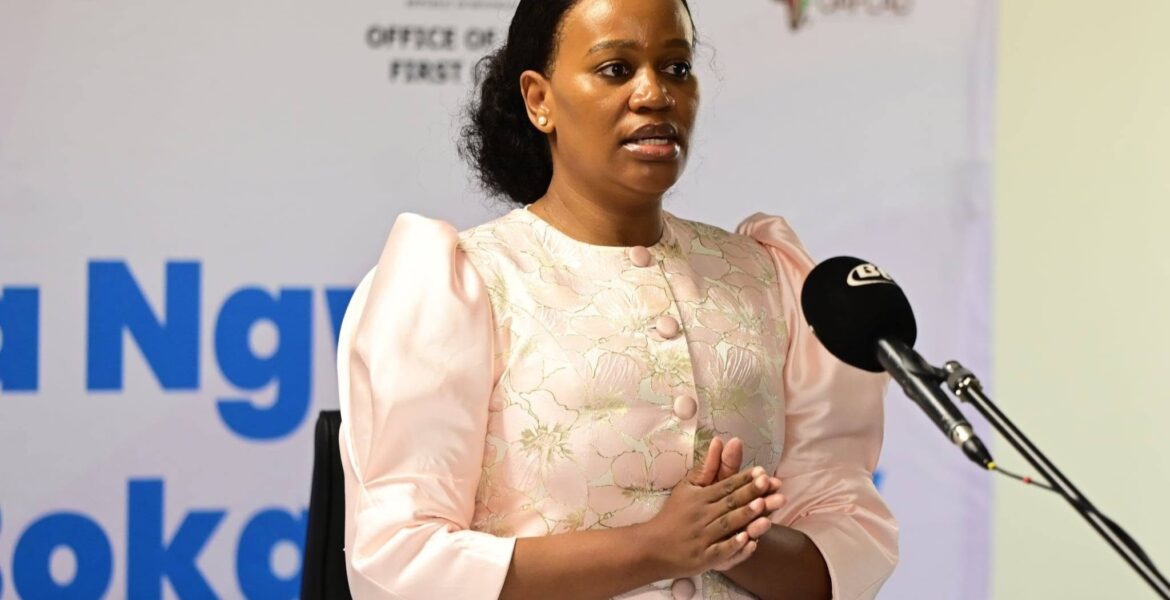
Police Commissioner Dinah Marathe disclosed the figures at First Lady Kaone Boko’s Mpepu Programme Pitso in Maun last Friday. At the same gathering, Director of Public Prosecutions (DPP) Kgosietsile Ngakaagae called for sweeping reforms to establish a justice system designed specifically for children.
According to Marathe, reported defilement cases rose from 1,666 in 2024 to 1,837 in 2025, an increase of 171 cases. The number of female child victims rose from 1,657 to 1,834 over the same period, highlighting the disproportionate burden borne by girls.
Regional Picture
The figures come against a troubling regional backdrop. A 2025 study published in the international medical journal The Lancet estimated that 28.9 percent of adult women and 27.1 percent of adult men in Botswana had experienced sexual violence during childhood.
These were the highest point estimates among the 16 Southern African Development Community (SADC) member states. Malawi followed Botswana in the estimate for women, at 27.7 percent, while Tanzania recorded the next-highest estimate for men, at 20.6 percent.
The study, however, used 2023 modelled estimates of historical childhood abuse rather than current police-recorded offences. Statistical uncertainty also means the findings cannot establish definitively which country has the highest actual prevalence. Even with those limitations, the estimates add a regional dimension to questions about the effectiveness of Botswana’s child protection mechanisms.
Justice Reforms
Speaking at the same event, Ngakaagae argued that conventional courtrooms can be intimidating for children, making the case for a justice framework designed around their specific circumstances.
“I believe we need to develop a new jurisprudence of child justice that is child specific,” Ngakaagae stated.
He advocated a distinct framework covering investigations, prosecutions, trials and rehabilitation, rather than simply adapting adult court procedures to accommodate minors. His proposals also included separate judicial leadership and provisions that would allow rehabilitated juvenile offenders to avoid lifelong consequences arising from childhood convictions.
The figures disclosed by Marathe and Ngakaagae’s reform proposals at the Maun gathering point to the scale of the challenge facing Botswana’s child protection and justice institutions, and the need to ensure that systems responding to offences against minors are equipped to protect and support child victims.