
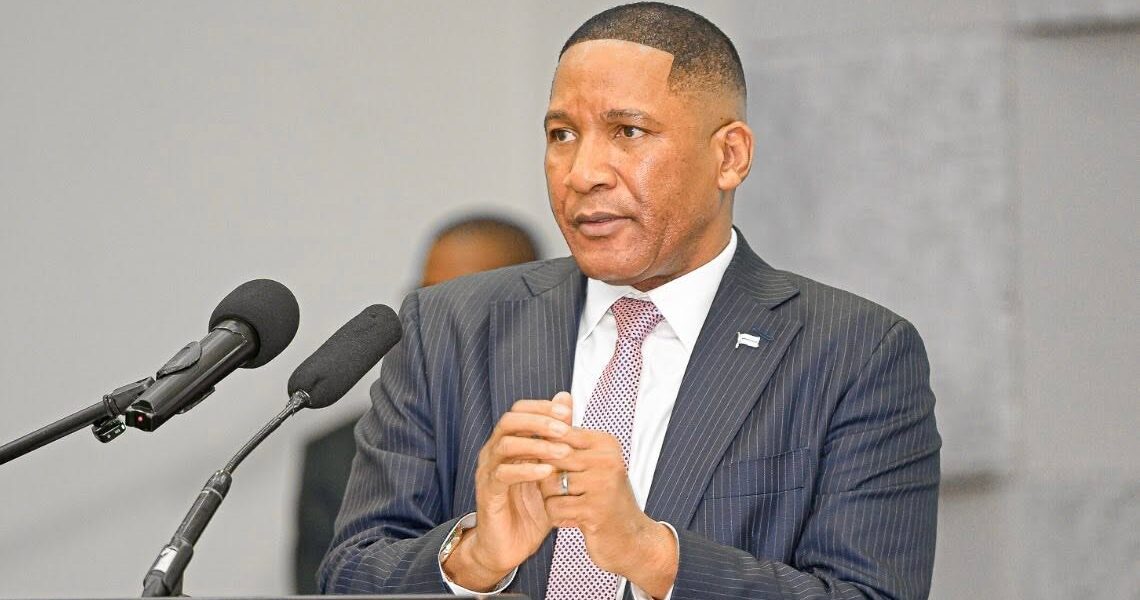
A rapidly growing petition is challenging Botswana’s private health tax, testing President Duma Boko’s affordable healthcare and ‘human rights’ pledges
BONGANI MALUNGA
A growing petition against the taxation of private healthcare services has put President Duma Boko’s human rights credentials under scrutiny, with campaigners warning that the policy could make medical care less affordable for ordinary citizens.
The petition, which has gathered more than 7,600 signatures within four days of its launch, calls on the government to reconsider the introduction of Value Added Tax (VAT) on private medical services, arguing that healthcare is a fundamental right rather than a privilege for those who can afford it.
The campaign directly appeals to Boko’s background as a human rights lawyer, challenging his administration to ensure that revenue reforms do not undermine access to essential healthcare.
FUNDAMENTAL NECESSITY
“Healthcare is a fundamental necessity not a luxury. It’s a human rights issue,” the petition stressed. “In Government headed by His Excellency, Advocate Duma Boko, a Human Rights Specialist Lawyer, we hold informed he leads a Human Rights Government. What could be a more basic human right than the right to health?” the petition reads.
“Healthcare is a fundamental necessity, not a luxury. It is a human rights issue,” the petition states.
The petitioners argue that a government led by a human rights specialist lawyer should prioritise policies that protect citizens’ right to health.
They are calling on government to maintain VAT exemptions on private medical services, protect vulnerable groups from increased healthcare costs, and consult healthcare providers, patient organisations and the public before implementing reforms affecting access to medical care.
REVENUE VERSUS ACCESS
The controversy follows government’s broader tax reforms aimed at expanding the revenue base by introducing VAT on selected goods and services previously exempted.
However, critics argue that taxing healthcare could have unintended consequences by increasing the cost of consultations, procedures and medical aid contributions, potentially pushing more citizens towards an already pressured public healthcare system.
The debate has also revived scrutiny of the Umbrella for Democratic Change’s (UDC) 2024 election promise for affordable healthcare.
Health sector organisations have warned that additional financial pressure on patients could deepen inequalities in access to medic.
Several health and medical care bodies have raised concerns that healthcare policies must reflect the realities faced by patients and healthcare workers, further cautioned against measures that could make medical treatment more expensive.
Their concerns come amid existing challenges in Botswana’s health system, including medicine shortages, capacity constraints and growing pressure on public facilities.
Neighbouring countries have adopted different approaches to healthcare affordability, with Zimbabwe protecting emergency access regardless of a patient’s ability to pay, while South Africa provides tax relief to medical scheme contributors rather than taxing healthcare contributions directly.
A POLITICAL TEST
The private healthcare tax has become an early political test for President Boko, with critics arguing that it contradicts the UDC’s human rights agenda and promise to put citizens’ welfare first.