
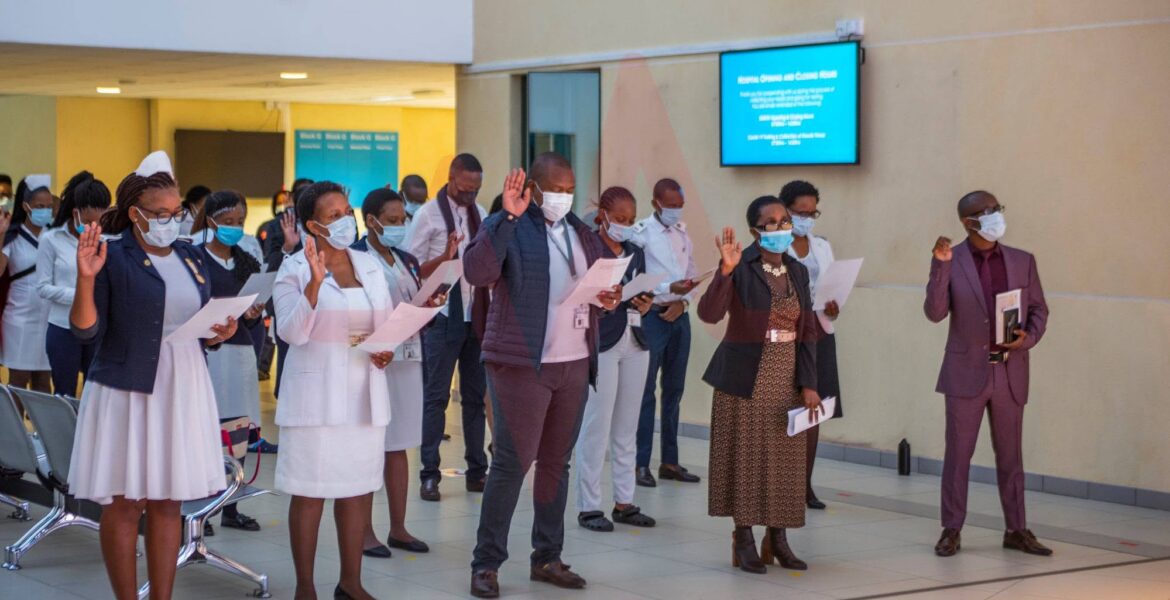
The Botswana Doctors Union (BDU), Botswana Dental Association (BODA) and the Medical Practitioners Group of Botswana have jointly raised concerns over the proposed tax measure, arguing that healthcare is an essential service and not a taxable good
GAZETTE REPORTER
Botswana’s medical fraternity has warned that government’s proposal to introduce Value Added Tax (VAT) on private healthcare services could make medical treatment unaffordable for many citizens and place further strain on an already overstretched public health system.
The Botswana Doctors Union (BDU), Botswana Dental Association (BODA) and the Medical Practitioners Group of Botswana have jointly raised concerns over the proposed tax measure, arguing that healthcare is an essential service and should not be treated like ordinary taxable goods.
POSITION PAPER
In a position paper, the three organisations said the introduction of VAT on healthcare services requires extensive national consultation, warning that increased costs could discourage patients from seeking medical attention until their conditions become more severe and expensive to manage.
“Healthcare is an essential service, not a discretionary purchase. Increasing the cost of medical care risks making healthcare less affordable for patients, many of whom may delay seeking treatment until illnesses become more advanced and more expensive to manage,” the organisations said.
They cautioned that the consequences of the proposed tax would not be limited to private healthcare providers but would affect patients, medical aid schemes, insurers and employers.
THE BAD NEWS
According to the medical bodies, patients would face higher out-of-pocket expenses, while medical aid schemes and insurance companies could be forced to increase premiums or reduce benefits in response to the additional financial burden.
Employers who provide medical aid benefits to workers could also experience rising healthcare costs, potentially increasing the cost of doing business.
The organisations expressed particular concern about the impact on small general practitioner practices, which often serve as the first point of contact for patients and play a key role in preventative healthcare.
They warned that higher consultation fees could result in declining patient numbers as people postpone seeking medical attention due to affordability concerns.
Private hospitals and specialist practices, they added, would likely pass the additional tax burden directly to patients through increased fees for consultations, procedures and treatments.
BURDENSOME
The medical bodies warned that the ultimate impact could be a heavier burden on Botswana’s public healthcare system, which is already facing challenges.
“The likely consequence is greater pressure on Botswana’s already overstretched public health system as more people are unable to afford private healthcare. This risks longer waiting times, delayed diagnosis, poorer health outcomes and ultimately higher healthcare costs for the country,” they said.
REFORMS
The concerns come as government implements reforms to Botswana’s tax system following amendments to the Value Added Tax Act and related legislation. The reforms include reducing the standard VAT rate to 15 percent while introducing changes affecting taxable and exempt supplies, tax compliance and registration requirements.
However, healthcare practitioners argue that taxation of medical services requires a more careful approach because of its impact on access to essential services.
While acknowledging government’s need to strengthen public finances, the organisations said fiscal reforms should not undermine citizens’ ability to access healthcare.
They called for meaningful engagement involving healthcare professionals, patient representatives, insurers, employers and other stakeholders before any decision is implemented.