
By Phenyo Motlhagodi
Wine has a habit of being slightly dramatic about change, at least in how it is described. There is usually a new label, a bold claim, and someone somewhere declaring a “new era” as if wine obeys press releases. In reality, it does not.
Real change in wine is usually far less theatrical. It arrives slowly, almost inconveniently quietly, until one day you realise your expectations have shifted and nobody actually stopped to announce it to you.
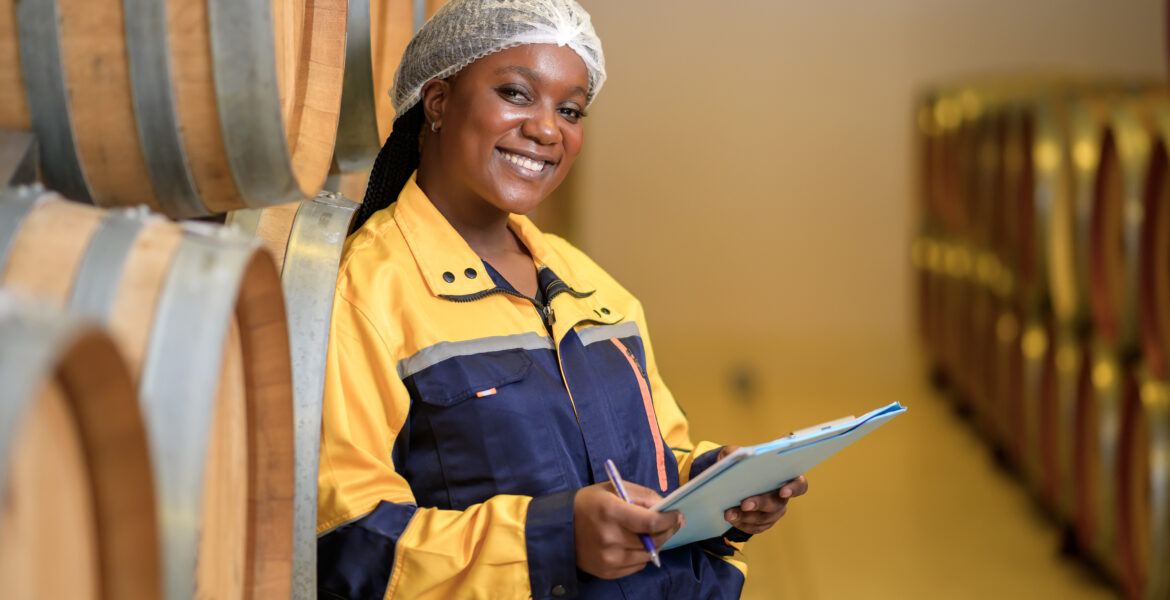
That is what is happening in South African wine right now. Not a rupture, not a reinvention, but a gradual recalibration of style, structure, and thinking. And increasingly, a meaningful part of that shift is being driven by female winemakers who are not trying to signal change, but simply making wines that behave differently in the glass.
From “Up-and-Coming” to Already Doing the Work
For years, women in wine were introduced with language that implied they were still on their way. “Emerging talent.” “Rising stars.” “Ones to watch.” All perfectly polite, and all slightly awkward when you realise many of them were already making the wines being discussed.
That framing is now starting to feel outdated, not because of a branding exercise, but because the reality on the ground has moved ahead of it.
Structured pathways like the Cape Winemakers Guild Protégé Programme have helped accelerate this shift in a very practical way. They do not simply introduce people to wine; they place them directly into working cellars where decisions are real, timelines are tight, and the grapes are not interested in excuses.
What comes out of that environment is a generation of winemakers who are not waiting for permission to contribute. They are already contributing, already shaping decisions, and already influencing how wines are being made.
Wines That Feel More Composed
One of the most noticeable changes is not found in industry language or strategy documents, but in the wines themselves.
Across a growing number of wines made by women in South Africa, there is a clear stylistic shift toward wines that feel more integrated, more composed, and often more rounded in shape. Not softer in the sense of being weaker, but softer in the sense of being better resolved.
Tannins tend to feel less jagged. Fruit feels more settled and less pushed. Acidity supports structure rather than sitting on top of it. The overall impression is not of reduced power, but of better managed expression.
Where some wines arrive with a sense of urgency, almost trying to make an immediate impression, these wines tend to open more gradually. They feel less like they are performing for attention and more like they are comfortable unfolding over time.
It is not about restraint for its own sake. It is about control that is exercised with intention.
Consistency Over Performance
Producers like Post House sit comfortably within this evolving landscape. The wines are not trying to announce themselves as part of a movement or trend. They are simply consistent in their intent and execution.
There is a sense of discipline in the winemaking that avoids unnecessary excess. Nothing feels overworked, but nothing feels casual either. The wines sit in that increasingly interesting space where clarity and balance matter more than volume or stylistic drama.
In a market where louder wines often get more immediate attention, this kind of restraint becomes noticeable precisely because it does not try to be.
Drinkers Are Paying Attention Differently Now
Consumers are also changing how they engage with wine, even if they are not always conscious of it.
There is a growing shift away from story-first evaluation toward performance-first evaluation. A compelling narrative still helps, but it no longer carries a wine that does not deliver in the glass.
Instead, more attention is being paid to how wines behave over time. Do they hold together? Do they stay interesting beyond the first sip? Do they feel balanced rather than front-loaded?
This shift quietly raises the bar. It means execution is becoming more important than positioning.
What “Good Wine” Is Becoming
For a long time, quality in wine was often associated with intensity. Bigger flavours, deeper colour, stronger first impressions. Wines that made an immediate statement were often assumed to be the best wines.
That definition is changing. Quality is increasingly being understood through balance, texture, and longevity in the glass. It is less about how loudly a wine introduces itself and more about how well it holds together as it evolves.
This is where the influence of female winemakers becomes more visible, not through a single identifiable style, but through a shared tendency toward integration, clarity, and controlled expression.
A Shift That Is Already Normalising Itself
What makes this moment interesting is that it is not being packaged as a movement. There are no slogans, no formal declarations, and no attempt to define it publicly as a shift. It is simply happening through repeated outcomes in the glass.
And by the time the industry fully describes it, it will already have become standard practice. More women will be in key decision-making roles, and more wines will reflect this quieter, more balanced approach without it being considered unusual at all.
In wine, that is usually how real change shows itself: not when it is announced, but when it no longer needs to be noticed to be understood.