
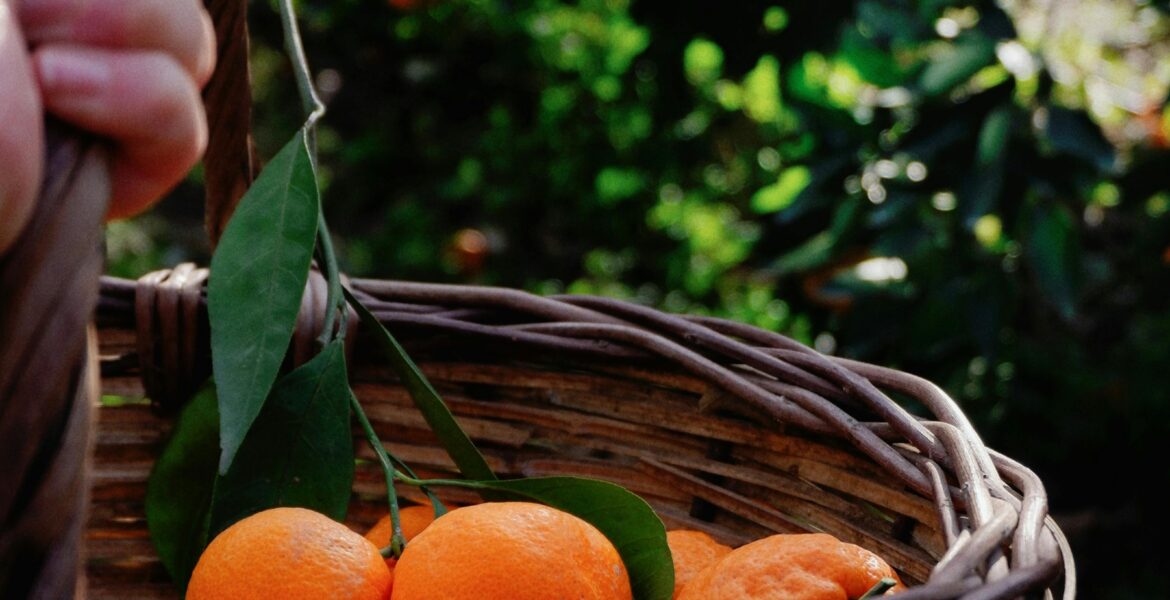
Between mall runs and restaurant hopping, Gaborone families are hunting for something different. Enter fruit picking, the countryside-style experience turning orchards into weekend playgrounds, sparking both excitement and eye-rolls in equal measure
GOSEGO MOTSUMI
Somewhere between overpriced brunches, endless coffee dates, and the annual struggle to answer “what are we doing this weekend?”, Gaborone stumbled onto an unexpectedly juicy solution: fruit picking.
Yes, orange picking for this winter season.
What once sounded like a chore people survived in the farms has suddenly become one of the city’s most talked about family activities. Every weekend, cars packed, selfie sticks, and children in oversized hats roll out toward orchards where people pay to pick oranges straight from the trees.
And surprisingly? People are loving it.
In a city often accused of having “nothing to do,” fruit picking has landed like a fresh squeeze of energy into Gaborone’s lifestyle scene. Families see it as wholesome. Friends see it as Instagram content. Couples see it as simple dates with rustic aesthetics.
“What a simple but wholesome activity. The city needs more of these activities,” said one fruit picker over the weekend.
FROM FARM TO FEED
Social media has played a huge role in the trend’s rise. Suddenly timelines are filled with photos of smiling groups holding bags of oranges like trophies from a harvest Olympics. There are reels and videos of people plucking oranges while music plays in the background.
For many parents, it is also about reconnecting children with food beyond supermarket shelves.
Fruit picking offers something increasingly rare in urban life: dirt under fingernails, fresh air, and an actual reason to put phones down even if only briefly.
And unlike packed restaurants or noisy entertainment spots, orchards offer room to breathe.
“FREE LABOUR” OR SMART EXPERIENCE?
Of course, internet detectives were never going to let the trend slide peacefully.
Critics have blasted the idea online, questioning why people are paying to do what farmers traditionally hire labourers for. The phrase “unpaid labour” has floated around social media with the same intensity as debates about expensive salads and luxury camping.
To some, fruit picking represents peak soft-life absurdity.
Why spend money sweating in a field when supermarkets already sell polished oranges under fluorescent lights?
But supporters argue the critics are missing the point completely.
Nobody says people at trampoline parks are being exploited for jumping. Nobody accuses hikers of unpaid roadwork. The activity is not about productivity, it is about experience.
And experience has become modern currency.
CAPE TOWN DID IT
Globally, fruit picking is hardly new. In places like Cape Town, strawberry farms, wine estates, and orchards have long transformed agricultural spaces into lifestyle destinations. Tourists flock there for exactly this kind of “pick-your-own” experience because it blends leisure, nature, and food into one outing.
The difference is that Botswana is only now beginning to embrace the concept publicly and commercially.
And honestly, it makes sense.
At a time when many families want affordable activities away from screens and shopping malls, orchards suddenly feel like hidden goldmines. The experience is simple, interactive, and refreshingly offline.