Namibia’s pipeline safety and transportation arrangements regulatory hurdles could frustrate Botswana’s anticipated fuel diversification benefits from Dangote’s ambitious project
BONGANI MALUNGA
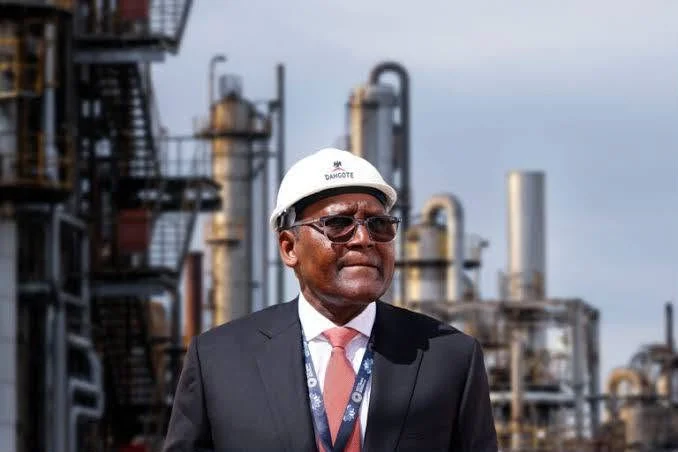
Botswana’s bid to secure a new Atlantic fuel supply lifeline faces a regulatory test in neighbouring Namibia, where Nigerian billionaire Aliko Dangote’s US$2.6 billion petroleum hub has encountered objections over pipeline safety and transportation arrangements.
The N$43 billion facility at Walvis Bay is intended to receive fuel from Dangote’s 650 000-barrel-a-day refinery in Lagos and distribute it across southern Africa, including Botswana, Zambia and Zimbabwe, through a planned 1700-kilometre pipeline network.
According to Namibian media reports, the country’s port authority, Namport, has rejected the initial pipeline route through North Port, warning that it passes too close to residential areas and conflicts with long-term port development plans. State railway operator TransNamib has separately demanded that trains, rather than heavy tanker trucks, become the main means of moving fuel inland.
SEVERE SAFETY HAZARD
“Moving fuel by road poses a severe safety hazard,” TransNamib stated, according to a draft environmental impact assessment reported by Namibia’s New Era and Billionaires.Africa.
The scale of the logistical challenge is substantial, exclusive reliance on roads would mean approximately 270 fuel tankers leaving the facility daily, generating 540 heavy-vehicle movements. A single daily train could replace 55 tankers.
There has been some progress as Dangote’s representatives agreed on 10 November to align pipelines inside the port with Namport’s designated corridors. However, the final alignment still requires formal approval, while construction cannot commence without environmental clearance. Namibia’s environment ministry said last week that it had not received the necessary application.
FACING UNCERTAINTY
Namibian President Netumbo Nandi-Ndaitwah launched the project on 4 November, with plans for storage capacity of 1.6 million barrels. The venture also faces uncertainty from proposed legislation reserving fuel storage activities for Namibian-owned businesses, creating another issue requiring clarification from authorities.
The stakes extend beyond a single investment for Botswana. Minerals and Energy Minister Bogolo Kenewendo confirmed in October that government had engaged Dangote, Angola and Côte d’Ivoire to diversify supply and protect the country from shortages.
“Because we are clear that we never want to have any fuel insecurity, we’ve engaged Dangote, we’ve engaged Angola, we’ve engaged Cote d’Ivoire to ensure that they can supply us,” Kenewendo said.
SUPPLY GATEWAY
Botswana identifies Walvis Bay as a supply gateway for Ghanzi and Shakawe, a western corridor accounting for eight percent of national demand. With Botswana relying on imported refined fuels, a functioning Atlantic route could reduce dependence on traditional South African supply chains, although no firm Dangote supply volumes, prices or delivery timetable have been disclosed.
The government is also expanding its Mozambique corridor, where Oman’s OQ Trading delivered about 20 million litres of diesel through Matola in October.
As it stands, Namibia’s unresolved approvals underline the gap between Botswana’s fuel diversification ambitions and the infrastructure needed to realise them. Any extended delay could postpone another alternative route for the country.