
Despite government claims of recovery, ongoing drug shortages across the country are still pushing patients out of public health facilities into private pharmacies, where access to treatment depends on ability to pay, leaving the poorest effectively shut out of care
The Gazette reporters investigations across multiple public health facilities have revealed that shortages of essential medicines and medical equipment continue unabated in Botswana’s health system, with patients increasingly forced to purchase drugs from private pharmacies as the situation becomes gradually normalised.
FACILITIES STILL STRUGGLING WITH STOCK-OUTS
A probe by this publication across various health facilities has unearthed recurring shortages of essential medicines, ranging from chronic disease medication to basic clinical supplies. Health workers at different levels describe a system still under severe pressure, despite repeated government assurances that supply challenges have been and are being addressed.
Patients, in turn, are increasingly being turned away or advised to source medicines privately, a development that stakeholders say is quietly reshaping public healthcare behaviour in the country.
“SERIOUS THREAT TO NATIONAL SURVIVAL” – DOCTORS’ UNION
The secretary general of the doctors’ union, Dr Kefilwe Selema, warned that the ongoing situation poses a grave risk to the country’s health system stability.
He described the current shortages as “a serious threat to our national survival at the moment,” underscoring growing concern within the medical profession over the sustainability of care under prevailing conditions.
PATIENTS NORMALISING OUT-OF-POCKET MEDICAL PURCHASES
Asked for her views, former head of the Central Medical Stores (CMS), Dr Onalenna Seitio-Kgokgwe, observed that “many Batswana now appear to have accepted medicine shortages as part of the public health landscape, with patients increasingly buying their own medication and basic healthcare supplies”.
She raised concern that “patients who cannot afford private purchases are often simply sent home when medicines are unavailable, without proper counselling on the risks of interrupted treatment”.
According to her, patients are frequently informed that medicines are out of stock and leave without being adequately advised on the consequences of stopping treatment. In some cases, she said, entire treatment regimens for certain conditions are unavailable, leaving patients with no alternatives and resulting in treatment discontinuation.
Dr Seitio-Kgokgwe further noted that the root cause of the crisis remains unclear from an external perspective, although budgetary constraints have been suggested as a possible factor. Others, she said, point to misplaced priorities, but the absence of clear information makes it difficult to determine the exact cause.
She questioned whether Botswana was still operating under emergency procurement systems, arguing that effective long-term contracting should by now have stabilised supply chains.
On structural reforms, she called for expedited restructuring of the CMS, reiterating her concern that its unable to meet national demand in its current form. She further suggested outsourcing pharmaceutical services, saying private pharmacy participation could ease pressure on CMS and improve medicine availability.
MINISTRY ACKNOWLEDGES ONGOING SHORTAGES
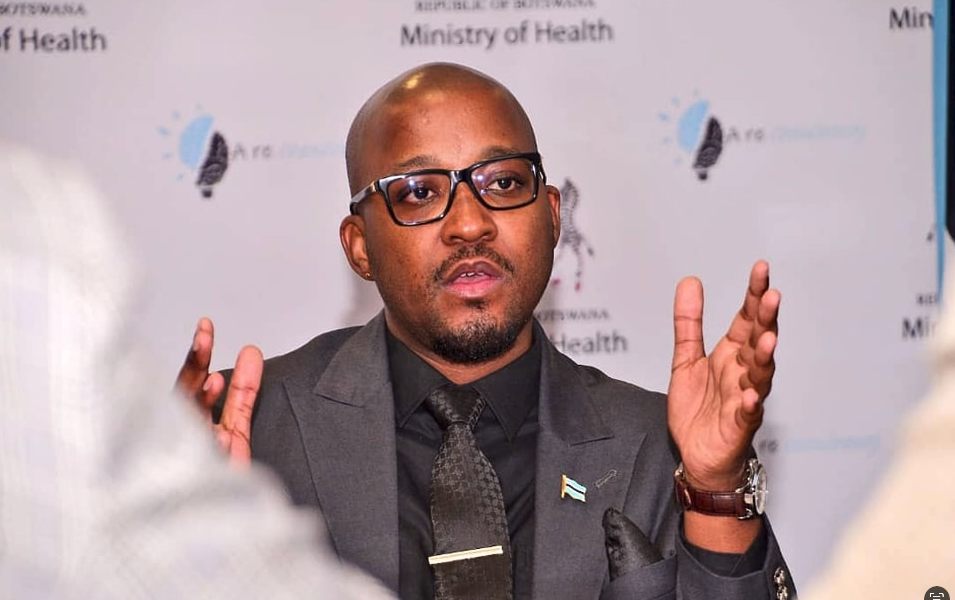
Responding to The Botswana Gazette enquiries, Ministry of Health spokesperson Dr Christopher Nyanga acknowledged that shortages persist in several categories of medicines in public health facilities.
He said critically affected categories include anti-infectives, anti-hypertensives, asthma treatments, ophthalmic medicines, and mental health drugs, most of which are currently below 50 percent availability.
However, he noted that some critical vaccines, antiretroviral therapy, cancer medicines, and tuberculosis drugs remain sufficiently stocked.
“The Ministry is working around the clock to fast-track orders and delivery of all medicines and related medical commodities currently in short supply,” Dr Nyanga said.
NURSES DISPUTE GOVERNMENT ASSURANCES
Despite the ministry’s reassurances, Botswana Nurses Union (BONU) secretary general Onkemetse Ndulamo dismissed claims that the situation is under control, accusing government of repeatedly issuing what he termed public relations statements on medicine availability.
Ndulamo said shortages remain severe across health facilities, with essential medicines such as hypertension and diabetes drugs, as well as children’s syrups, still in short supply due to high daily demand.
He warned that Batswana should brace for increased reliance on private healthcare and personal spending, saying the situation may take time to stabilise as it stems from long-standing systemic challenges.
“What is needed now is for government to set its priorities right,” he said.
GROWING NORMALISATION OF PRIVATE HEALTH SPENDING
Across the country, the repeated shortages are increasingly pushing patients toward private pharmacies and out-of-pocket spending, a trend health professionals warn could deepen inequality in access to care.
As the government maintains that interventions are underway, health workers on the ground and professional bodies continue to paint a picture of a system still under significant strain, with no clear timeline for full recovery.