
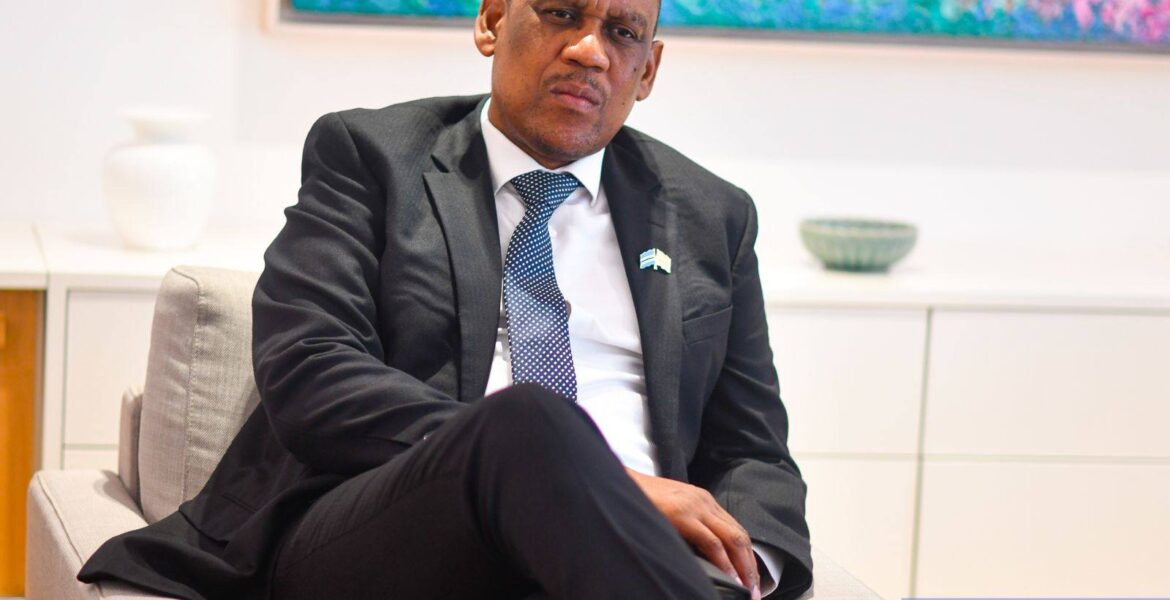
Opposition leader Dumelang Saleshando has sharply criticised the Ministry of State President over what he calls “monarchical-style” governance practices, accusing it of undermining transparency through non-competitive board and CEO appointments
GAZETTE REPORTER
Opposition leader Dumelang Saleshando has launched a stinging attack on the Ministry of State President, accusing it of importing “kingdom-like” appointment practices into a republican system such as Botswana.
At the centre of the dispute is the rationale for housing the Sovereign Wealth Fund under the Presidency and not the Ministry of Finance, as well as why its board and CEO were directly appointed without public advertisements to allow other citizens the opportunity to apply.
In response, Assistant Minister Maipelo Mophuting-Dikoloti cited kingdoms as examples of countries operating similar governance models, while also acknowledging that the posts in question were not publicly advertised.
“The decision is a deliberate strategic choice based on the funds developmental mandate and better national coordination similar to other entities,” she said.
She maintained that the selection process still followed established internal mechanisms, insisting that candidates were identified through existing governance structures and vetted appropriately.
PRESSED
The Minister was, however, pressed to justify how fairness and transparency were ensured in the absence of open competition choosing to just say “people just submitted their CVs for assessment”.
Saleshando and his counterpart, Caterpillar Hikuama argued that the government’s approach to appointments of boards and chief executive officers reflects a departure from democratic and merit-based principles.
They said such practices undermine accountability and deny qualified citizens equal opportunity to compete for senior public positions.
PRESSURE MOUNTS OVER GOVERNANCE TRANSPARENCY
The exchange has intensified debate over public sector appointments and governance standards, with critics arguing that Botswana’s long-standing reputation for transparency could be undermined if competitive recruitment practices are not consistently applied.
The Presidency has maintained that all appointments were made in good faith and in line with institutional requirements, while opposition voices continue to call for reforms that ensure open, merit-based recruitment.