
Say what you want online and you might find yourself in court. Botswana’s digital streets are no longer just noisy, they are legally dangerous
BONGANI MALUNGA
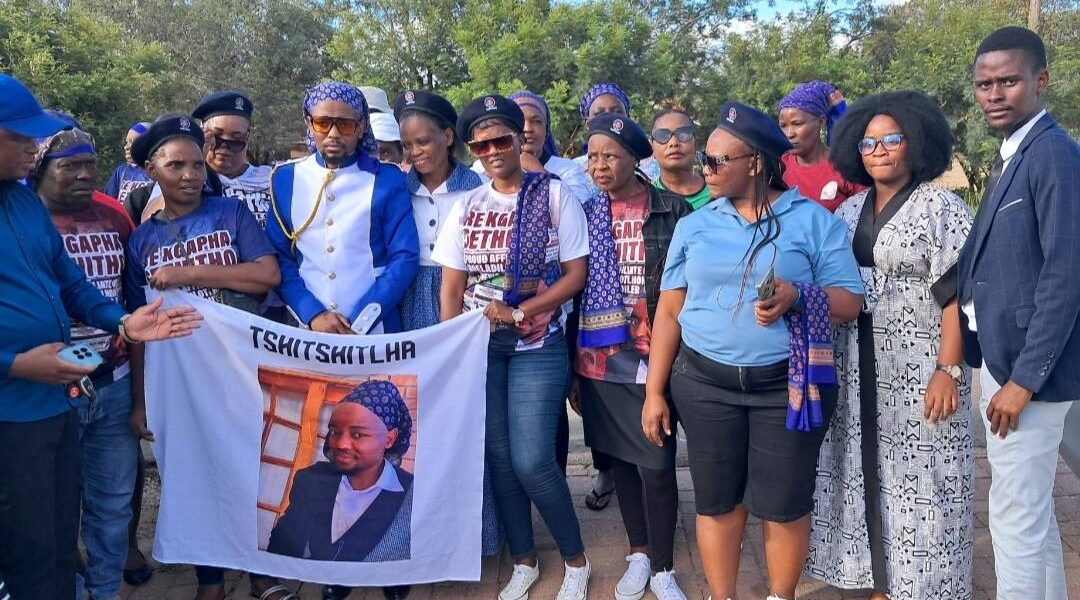
In what many are calling a turning point, Moeladilotlhoko News Boiler’s Tshepo Sethibe may be out on bail, but his case is far from over. The so called “uncle of the nation” is now one of a growing list of social media commentators finding themselves before the courts.
From accusations of ritual killings to posts about political figures, recent arrests and legal disputes involving names such as Tumelo Modise, Tumo Mookamedi and Laone Gaosafelwe suggest a clear shift. The social media streets are no longer consequence-free.
LEGAL RISK
Social media users posting about sensitive issues, including corruption or governance, are increasingly exposed to legal consequences. Sethibe, for example, was charged with “offensive electronic communication”, an offence that carries fines or possible jail time under the Cybercrime and Computer-Related Crimes Act and the Penal Code.
Botswana’s Section 192 criminal defamation law further reinforces this risk. It makes it illegal to publish material that could harm another person’s reputation, although truth and public interest remain valid defences. Legal experts say these provisions apply equally online and in traditional media.
CONCERNS
“While recognising the legitimate need to protect individuals and institutions from reputational harm, MISA Botswana expresses concern that the growing resort to litigation in response to digital commentary may, in certain circumstances, risk discouraging robust public interest debate,” said MISA Botswana chairman Thomas Nkhoma.
“Patterns of frequent or disproportionate legal action can contribute to a climate of self censorship particularly among independent journalists, bloggers and emerging digital voices who may lack the resources to defend themselves effectively.”
Nkhoma added that a balanced approach is needed, one that strengthens self regulation while ensuring legal frameworks do not unduly constrain democratic participation.
LINES BLUR
“The rise of online or citizen journalism has undoubtedly transformed the media landscape. It has expanded the space for public participation, diversified voices and enabled faster dissemination of information. However, this shift has also blurred the lines between professional journalism and unverified commentary,” said Sharon Mathala, Acting Secretary General of the Botswana Editors Forum.
Unlike mainstream media, which operates under established editorial standards, ethical codes and accountability mechanisms, many online content creators function without similar safeguards.
CREDIBILITY CRUNCH
“As a result, the credibility of information in the public sphere can be affected. Audiences may struggle to distinguish between verified reporting and opinion or misinformation, and in some cases, may generalise mistrust across both traditional and online platforms. This underscores the importance of media literacy,” Mathala explained.
LEGAL REALITY
Legal experts note that allegations, unverified claims or inflammatory posts can trigger arrests, civil lawsuits and fines. The law does not distinguish between a newsroom and a personal account when it comes to defamation or harmful communication.
As online commentary continues to shape debate around politics, justice and governance, the collision with the law is becoming more frequent.
For now, the message is simple. Botswana’s digital public square remains open, but the consequences for what is said within it are becoming harder to ignore.