Six months after his auditors linked untendered contracts to billions in losses, the President told MPs he would hand out more “without flinching.”
[1] KASANE — Six months ago, President Duma Boko received a report he had paid for. It found that government had been handing out too many contracts without competition, and that weak buying rules had helped cost the country an estimated P33 billion over ten years.
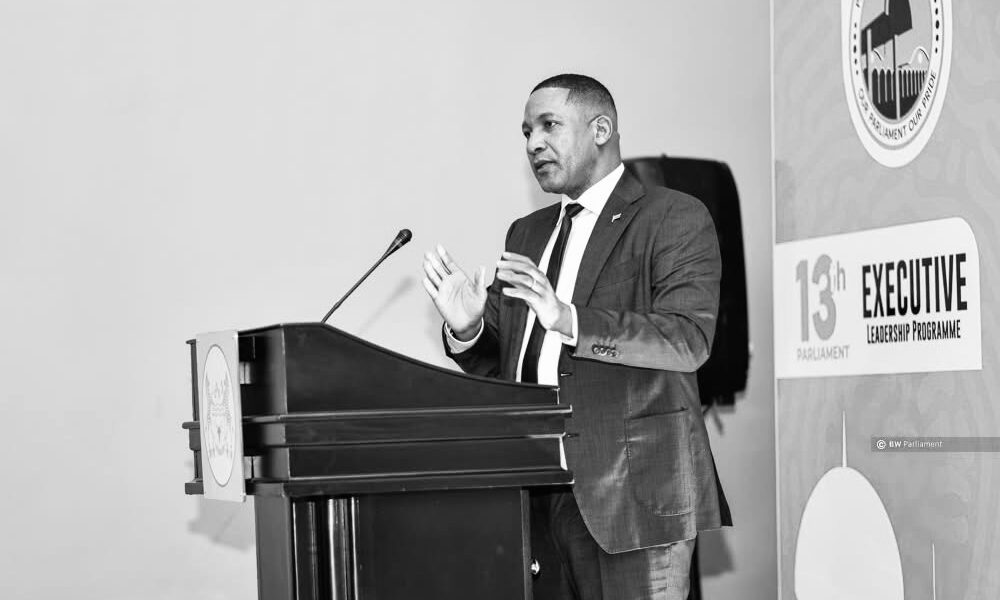
[2] On Monday, speaking to members of Parliament at a leadership retreat in Kasane, the President argued for more contracts handed out without competition.
[3] “Do what the law allows you to do. Do it in good faith,” he told them. “And if it falls on me to do it, I’ll do it. Without flinching. Without any compunction.”
[4] His complaint was that tenders are too slow. It takes months to advertise a job, months to choose a winner, and then a losing bidder goes to court and the project freezes. His answer is to skip the tender and appoint a company directly.
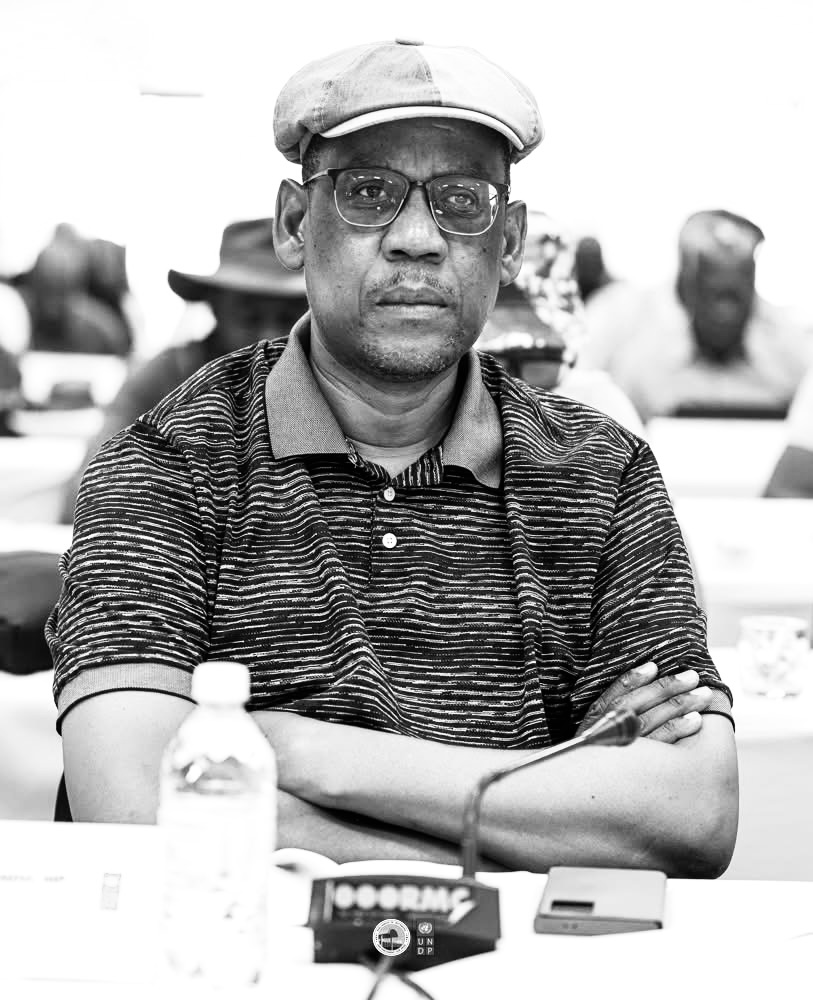
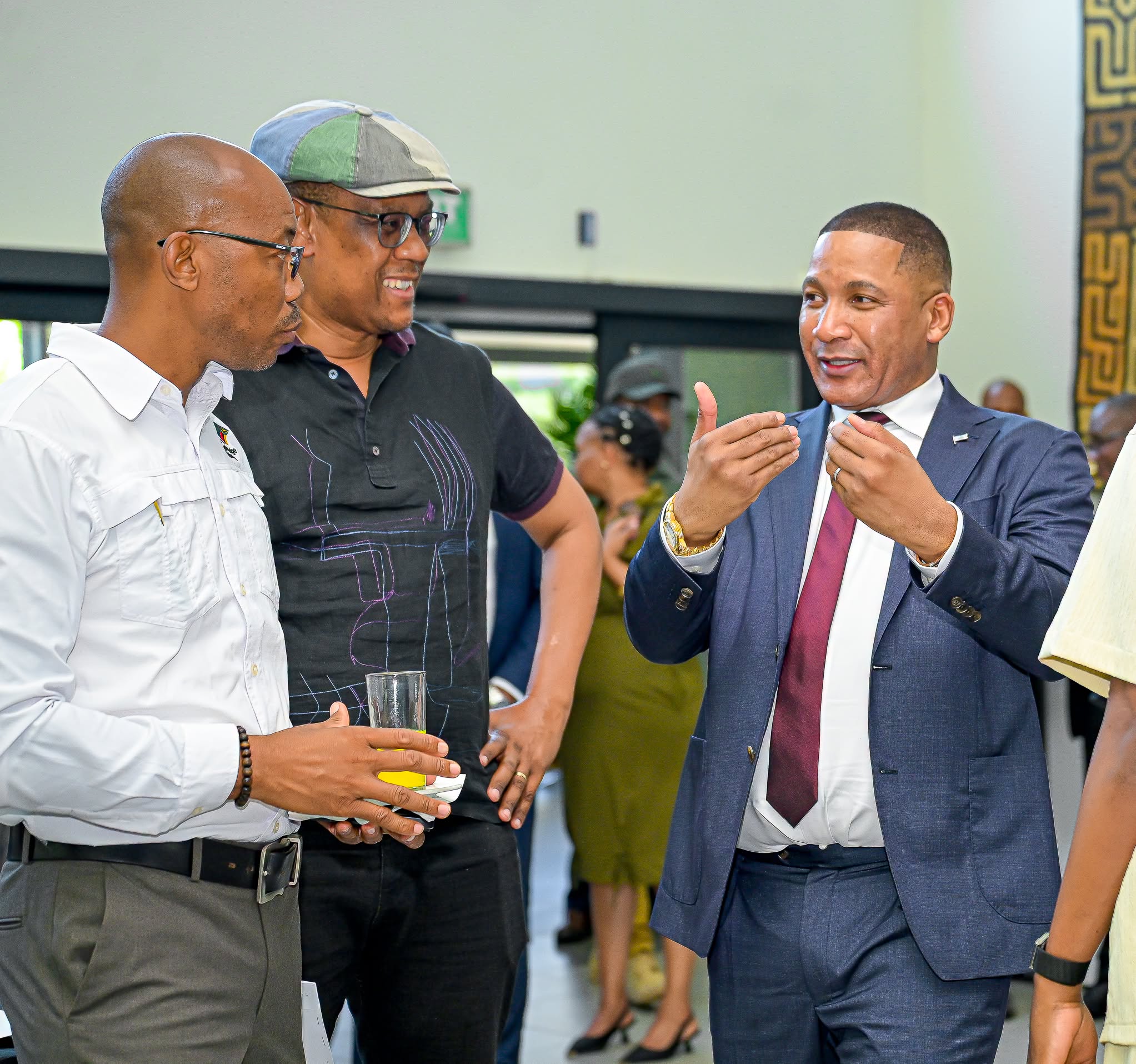
[5] Leader of the Opposition Dumelang Saleshando sat in the audience in Kasane. He has opposed direct appointments since before Boko came to power, and he is not surprised. “It has become very clear that President Boko does not like competitive bidding for government jobs,” he told the Gazette on Tuesday.
What his own audit found
[6] In March 2025, Boko hired Alvarez & Marsal, a Dubai-based firm, to examine how public money had been spent, for a reported P57 million. He did not put that job out to tender either. At a press conference on 20 March 2025, he said open tendering “often leads to delays, high costs, and creates opportunities for corruption.”
[7] The firm’s findings were released in Gaborone on 5 May 2026 by Moeti Mohwasa, Minister for State President. They estimated that about P33 billion was likely lost to fraud, waste and mismanagement between 2014 and 2024. More than 80 senior officials and 150 companies were implicated. Mohwasa called the figure “a conservative and preliminary estimate.”
[8] How government buys was at the centre of the problem. The auditors found that direct appointments were overused and that “emergencies” were declared without good reason. “Non-competitive procurement had become normalised rather than exceptional,” they wrote. They recommended reining in direct awards.
[9] “We’ve also been told that the forensic audit report indicates that direct bidding was a good recipe for corrupt practices,” Saleshando said on Tuesday.
The wrong law
[10] In Kasane, the President told MPs to “look at the Public Finance Management Act,” which he said “provides 15 ways of procuring.” But the rules on how government buys are in a different law, the Public Procurement Act of 2021. That law does allow direct appointments, but only in specific situations, such as an emergency or when only one supplier can do the job.
[11] Saleshando wants Parliament to make the rule plainer. Lawmakers, he said on Tuesday, should “push strongly for amendment of the procurement laws to make sure that it becomes clear in the laws that competitive bidding is the default position.” Even in a real emergency, he warned, direct buying can be abused: during COVID-19, “masks were procured for between five and ten times the actual costs.”
When direct deals go wrong
[12] The President’s government has already been told no once. In 2025, the Ministry of Child Welfare and Basic Education gave a South African company, Emeritus Training Academy, a P662 million contract to teach coding and robotics in schools, without a tender. In August 2025, the Public Procurement Regulatory Authority, the official watchdog, found the ministry had no good reason to skip competition. It called the project “unplanned, not budgeted for, and poorly conceptualized” and ordered it cancelled. The High Court agreed.
[13] In December 2025, the Court of Appeal overturned the High Court’s order on procedural grounds, without disputing the watchdog’s findings. By July 2026, the ministry had given the company a new contract worth P654 million, again without a tender.
[14] Then there are the schools and clinics. In June 2025, the Finance Ministry’s most senior official, Tshokologo Kganetsano, told Parliament’s Public Accounts Committee that a plan by South African businessman Zunaid Moti to build schools and clinics had been sent back because “the financial implications in the deal were huge.” Moti is a friend of the President and helped fund the UDC’s 2019 election campaign.
[15] On 5 September 2026, a school and clinic built by Moti’s company opened in Gaborone. It is called the Duma Boko School and Clinic, and the President attended the opening. The government has not said how the project was approved or what it will cost taxpayers.
[16] The President’s own office has also kept paying for an old direct deal. In 2021, under former President Mokgweetsi Masisi, American entertainer Steve Harvey’s company was directly appointed to make radio and television programmes for the state broadcaster. First reported at about P470 million, the deal has since been put before Parliament at more than P1 billion. It is still running. No wrongdoing is alleged against Steve Harvey Global.
Nobody is counting
[17] How many contracts has this government handed out without a tender? Nobody can say. Botswana does not publish a list, and the Gazette could find no official count. Even the President’s deputy disagrees with him. In July 2025, Vice President and Finance Minister Ndaba Gaolathe described direct appointment as the least preferred way for government to buy, because it shuts out competition.
[18] If the President believes the law is the problem, he has the power to change it. His side holds 49 of Parliament’s 69 seats. In two years, it has not proposed a single change to the procurement law.
[19] The President delivers his State of the Nation Address in the coming days. Saleshando says Parliament must act first. “President Boko needs to be stopped in his tracks on this campaign of trying to make sure that a system that is easily abused should become the main source through which government procures goods and services,” he said.