
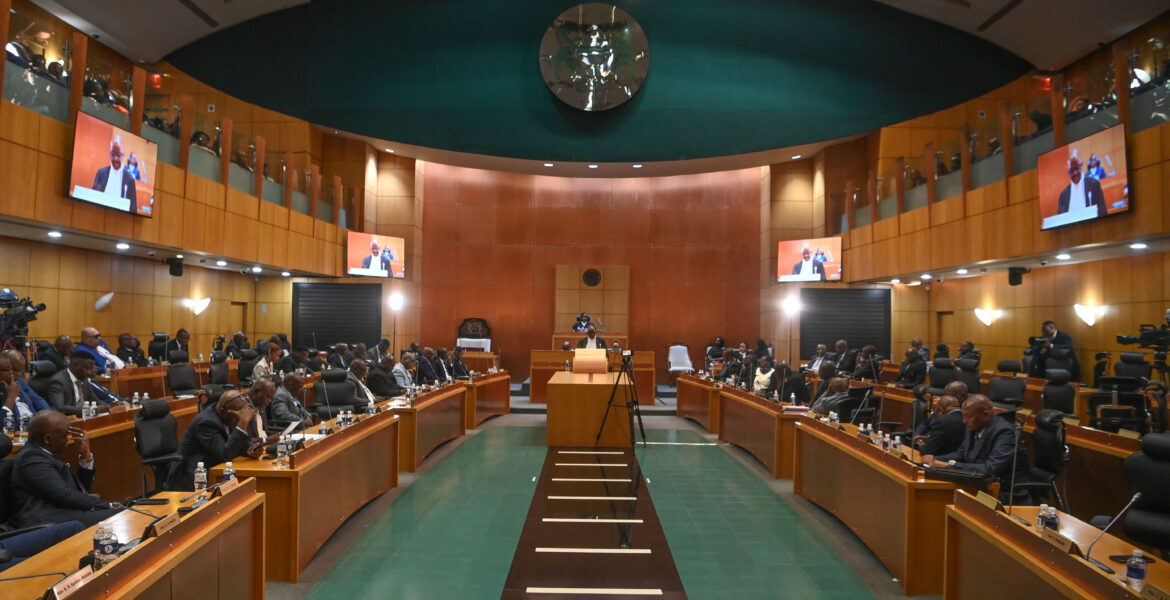
A democracy forum report places a 30 percent parliamentary quota for people under 35 on the agenda as young Batswana demand greater influence in national decisions.
GAZETTE REPORTER
A report by Democracy International says that young people in Botswana are pushing for a 30 percent quota in Parliament for citizens under 35.
The report, released in November following the 13th Global Forum on Modern Direct Democracy held in Gaborone from October 7–10, shows that following the 2024 general elections, the youth are now challenging Botswana’s political establishment to move beyond election-time promises and give the younger generation a meaningful stake in decision-making.
The report, titled ‘Beyond Elections: What We Learned Together in Botswana,’ says a debate on reserving 30 percent of parliamentary seats for people under 35 placed a specific proposal on the table during the international gathering.
The report says the demand comes in the aftermath of the 2024 general elections, which ushered in a historic change of government after the Botswana Democratic Party (BDP) lost power to the Umbrella for Democratic Change (UDC) following almost six decades in office.
Political Change
However, the debate suggests that political change alone may not be enough to address questions of representation, particularly among young people seeking a more direct role in national decision-making.
The report states: “Youth participation brought these questions into focus. A debate on reserving 30 per cent of parliamentary seats for people under 35 put a specific proposal on the table.”
It adds that discussions around children’s participation and the contribution of Kgotla ya Basha explored alternative ways of giving younger generations greater influence over decisions affecting their lives.
The report says: “The youth contribution to the draft declaration was clear: young people want to be trusted as partners in shaping today, with practical opportunities to develop ideas and make decisions.”
The forum brought together 150 participants from five continents and more than 30 countries. Across 48 sessions and activities, 79 speakers, moderators and facilitators examined ways of strengthening citizens’ influence over decisions affecting their lives.
Global Forum
Botswana’s constitutional reform process also featured prominently with participants examining how citizens could influence both the process and outcome of constitutional changes.
The discussions further explored the country’s traditional Kgotla system, including a visit to Mochudi, where participants examined the relationship between community decision-making and national politics.
The report also raised questions about control of natural resources and the distribution of economic benefits, noting that declining diamond revenues are placing Botswana’s development model under severe pressure.
“Who decides, who benefits and how can people influence the choices ahead?” the report asks.