
Rising living costs, workplace stress and uncertain retirement prospects are putting employees under increasing pressure. Old Mutual is challenging employers to look beyond salaries and productivity, arguing that protecting workers’ well-being today is just as important as securing their financial future.
By Leatile Zachariah
Old Mutual has called on employers and human resources practitioners to adopt a more holistic approach to employee well-being, placing equal emphasis on workplace conditions, financial security and long-term retirement preparedness.
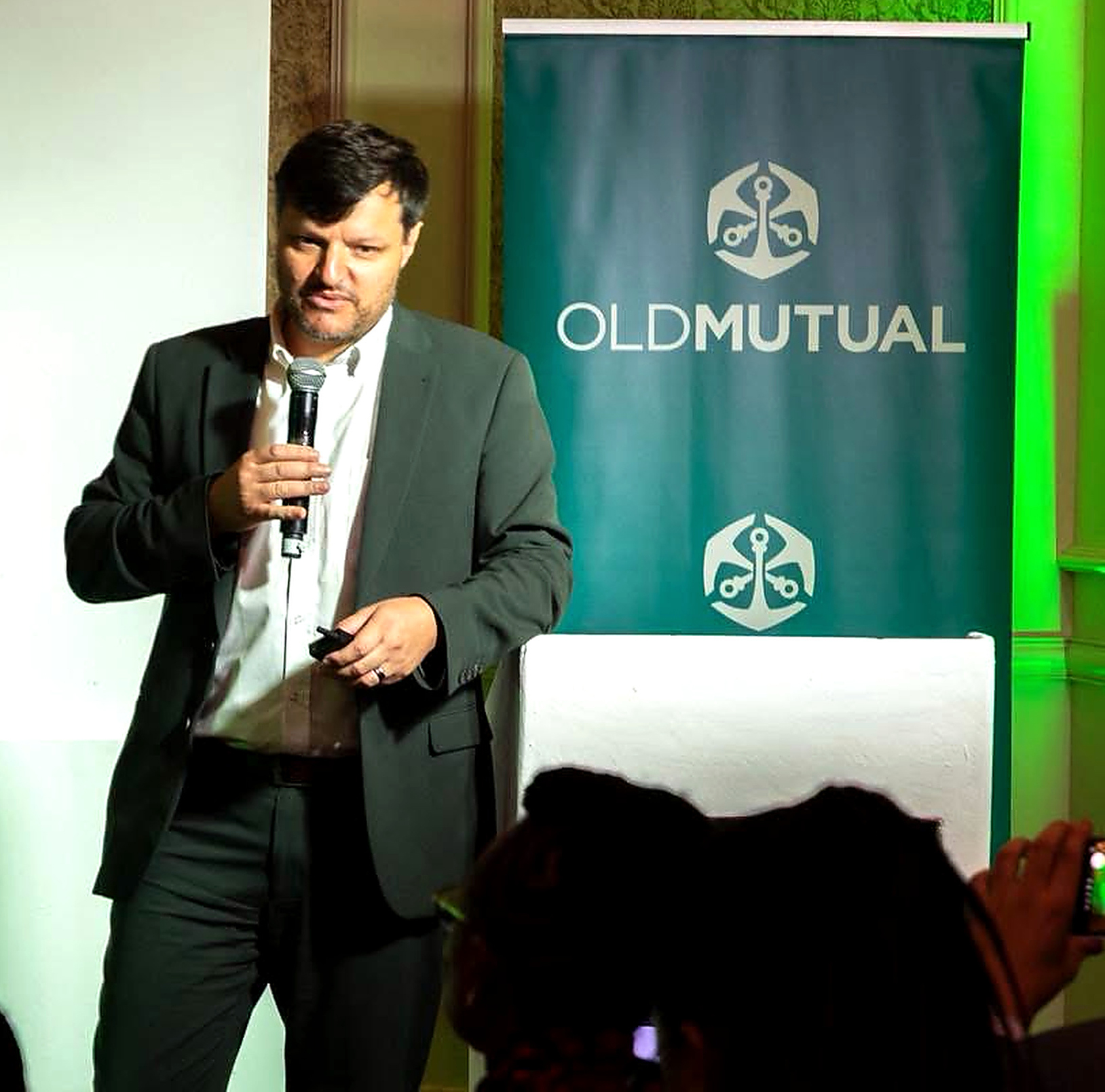
The call was made during the Old Mutual HR Thought Leadership Session held last Thursday at the Gaborone International Convention Centre (GICC) in Gaborone, where industry experts and HR practitioners examined emerging workplace trends and the changing expectations of employees.
Addressing the gathering, Old Mutual Interim Group CEO Ricardo Sardien said the future of HR extended beyond human capital management, talent development and organisational culture to include the financial well-being of employees.
He noted that retirement decisions made during an individual’s early working years could influence their quality of life decades later. However, rising living costs were making it increasingly difficult for employees to balance present financial obligations with long-term savings.
Citing Statistics Botswana’s reported annual inflation of 7.8 per cent in September, he said employers needed to recognise the impact of economic pressures on employees’ ability to save. He further cautioned that access to retirement benefits did not automatically translate into adequate retirement provision.
BEYOND THE PAYCHEQUE
Old Mutual Managing Director Reason Nyamambi said financial services providers needed to move beyond positioning products and take a more active role in educating employers and employees to make informed financial decisions.
She called for closer collaboration, engagement and knowledge transfer, arguing that changing workforce needs required innovative solutions rather than relying on arrangements designed for previous economic and employment conditions.
Nyamambi used the occasion to unveil Kgodiso, a smooth bonus investment product designed to support retirement financial security. She said the product offered employers and employees an investment option aimed at delivering steadier growth amid market volatility.
She explained that HR practitioners were deliberately prioritised for the launch because of their influence in shaping retirement benefit decisions within organisations.
WORKPLACE PRESSURES
Meanwhile, Dr Onalethata Johnson, Managing Director of Lyra Botswana, challenged organisations to reconsider how they approach employee wellness, arguing that productivity cannot be addressed by focusing exclusively on the individual.
She highlighted human factors management, which examines the relationship between employees and their working environments, including workload, technology, leadership styles, communication and organisational culture.
Johnson observed that the workplace was the third leading cause of stress among employees, making it important for organisations to examine how their own systems and management practices contribute to workplace pressures.
She said factors such as excessive workloads, job insecurity and the absence of psychological safety could undermine employee performance, regardless of individual wellness interventions.
Her presentation underscored the importance of creating supportive working environments where employees can communicate concerns, manage change and perform effectively.