
Gaborone’s electric Metrobus initiative is welcome, but its success depends on reforms first proposed fifteen years ago.
DR DOUGLAS RASBASH
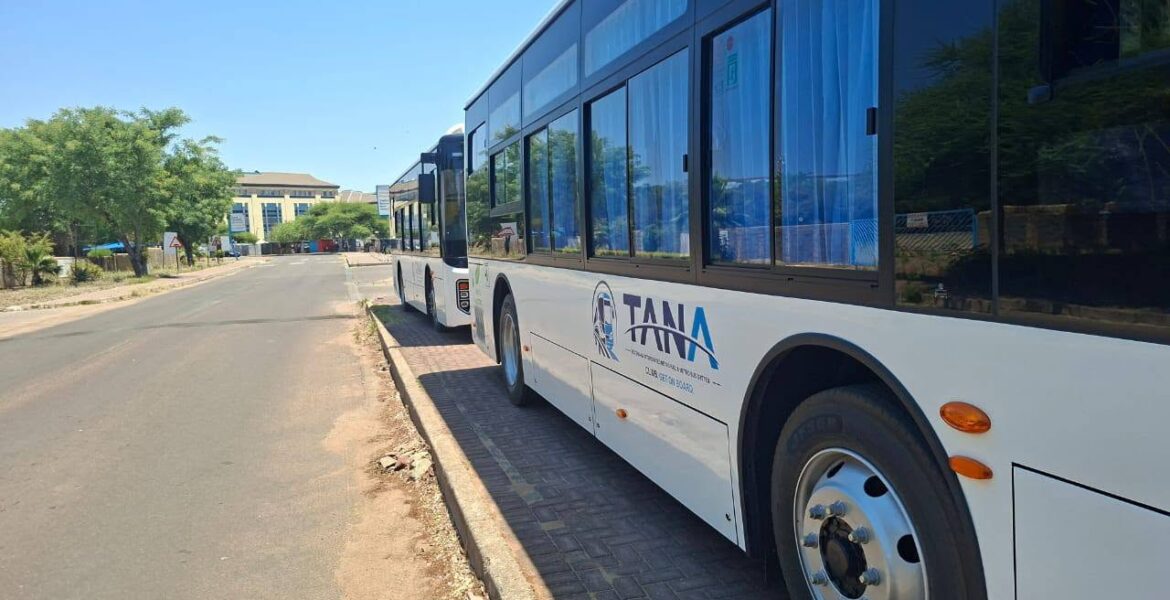
Years after most cities have operated electric buses, CEDA and the Ministry of Transport and Infrastructure have finally announced an electric Metrobus service for Gaborone, operated through CEDA subsidiary Tana Holdings. The initiative promises more accessible, efficient and environmentally sustainable public transport, complementing existing operators. It is welcome progress, but its success will depend on the wider policy, network and management reforms that government was advised to pursue fifteen years ago.
Without an overall policy, a coordinated network plan and an accountable passenger transport authority, ad hoc projects will always underperform and quickly disappoint.
The September 2011 draft Integrated Transport Policy White Paper set out a comprehensive programme. Further studies developed the proposals. Yet the familiar pattern continues: announce an initiative, acquire infrastructure or vehicles, and leave the arrangements needed to make them work together unresolved. Gaborone does not lack recommendations. It lacks sustained and coordinated implementation.
SOCIAL NEED

Section 56, “Attending to social need”, established objectives that should still guide public transport: increase patronage, reduce private car use in urban areas, prioritise public transport projects, reduce social exclusion and provide infrastructure for disabled people.
These are outcomes. A new bus rank, electric fleet or priority lane is a means of achieving them. The distinction matters because a project can be completed without significantly improving anyone’s journey. The same section specified practical measures: bus priority schemes, parking charges for private cars, pedestrian and cycling infrastructure, accessible boarding facilities and financial support for socially necessary services. It explicitly proposed: “Providing subsidies to operators for social services and concessionary fares to elderly and the mobility impaired.”
Affordability cannot depend indefinitely on operators accepting fares that fail to support maintenance, vehicle replacement and reasonable working conditions. Where government requires concessions or services that cannot meet their costs, the obligation should be identified, costed and funded transparently.
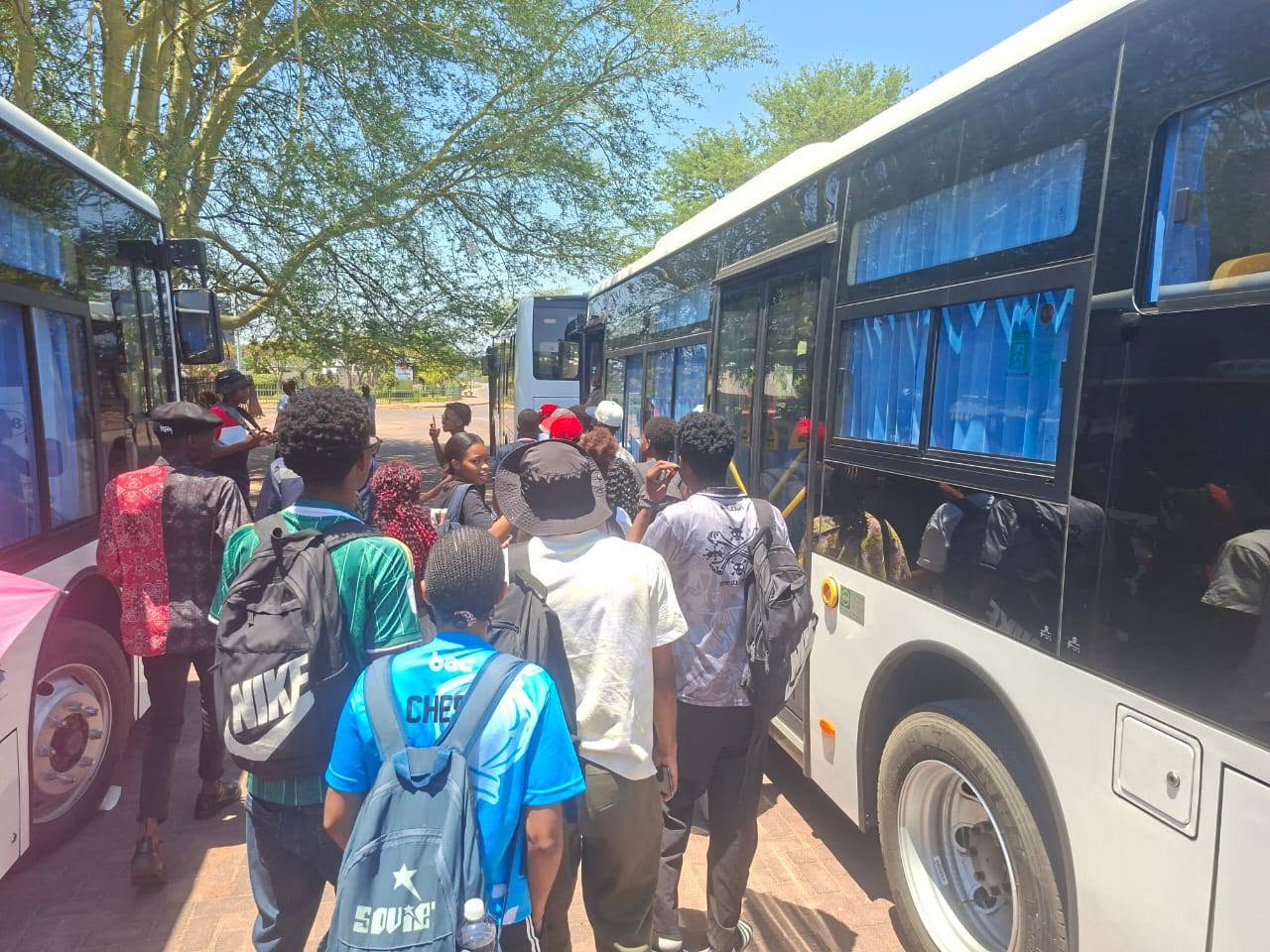
Keeping fares affordable is necessary. Keeping operators commercially viable is also necessary. A proper fares policy must reconcile both through transparent costing, predictable reviews, service contracts and targeted support. It should also address transfers. A passenger should not face an unreasonable cumulative fare simply because the planned network requires changing vehicles.
OPERATOR REFORM
The 2011 draft policy proposed reforming the permit system, moving towards quality licensing, publishing timetables and fares, and encouraging small operators to combine into larger enterprises capable of attracting investment. Its objectives included: “Have fewer larger PT operators”. This was an explicit recognition that fragmentation constrains improvement. Numerous individual businesses cannot easily coordinate schedules, ticketing, maintenance, fleet procurement and passenger information.
Existing operators could participate through route companies, cooperatives, feeder contracts and ownership opportunities. Their experience and livelihoods deserve consideration, alongside passengers’ right to a better service. The role of combis would evolve. Smaller vehicles remain useful for neighbourhood circulation, lower demand routes and feeding trunk services. On busy corridors, their share should gradually diminish as larger buses move more people efficiently.
WHO IS RESPONSIBLE
Section 57 proposed: “Devolve regulatory responsibility for PT to local government”. Section 68 then set out the proposed “Gaborone Passenger Transport Authority”, identifying: “The existence of multiple institutions acting without the necessary coordination…” The proposed authority would assume responsibility for transport and land use planning across Greater Gaborone, together with bus priority, traffic signals and traffic management.
This was a draft proposal, not evidence that those powers were enacted. But it demonstrates that the governance problem and a proposed solution were documented fifteen years ago. A dedicated metropolitan passenger transport authority should now be the first institutional commitment.
Because journeys cross council boundaries, the authority must represent Gaborone and its adjoining peri urban local authorities. It needs professional capacity, funding and enforceable powers, rather than merely another coordinating committee.
The authority must also be distinct from the operators it oversees. CEDA’s announcement identifies Tana Holdings as the operator of the electric Metrobus initiative. Setting up a public transport business is one responsibility. Planning and governing the entire metropolitan network is another.
CONNECTED NETWORK
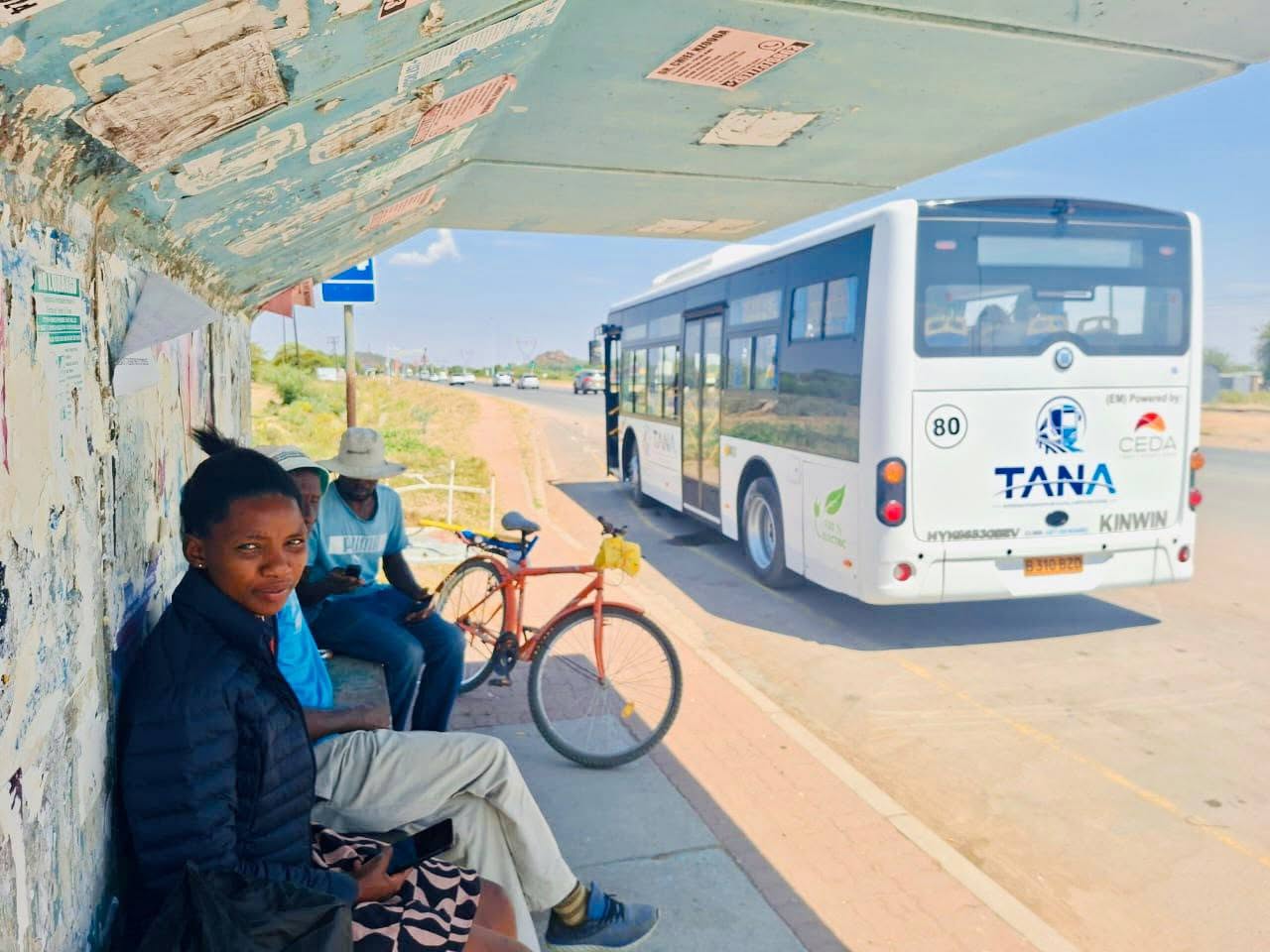
The immediate requirement is to define that network: trunk corridors, connecting routes, neighbourhood feeders, interchanges and terminals serving Gaborone city and its adjoining peri urban settlements. Every route should have a stable number, clearly displayed destination, published alignment and understandable service information. Stops need names, identification, safe access and secure waiting.
Dedicated lanes, queue bypasses and signal priority can improve reliability and vehicle productivity. Their purpose is to move people efficiently, supported by enforcement and appropriate stopping arrangements.
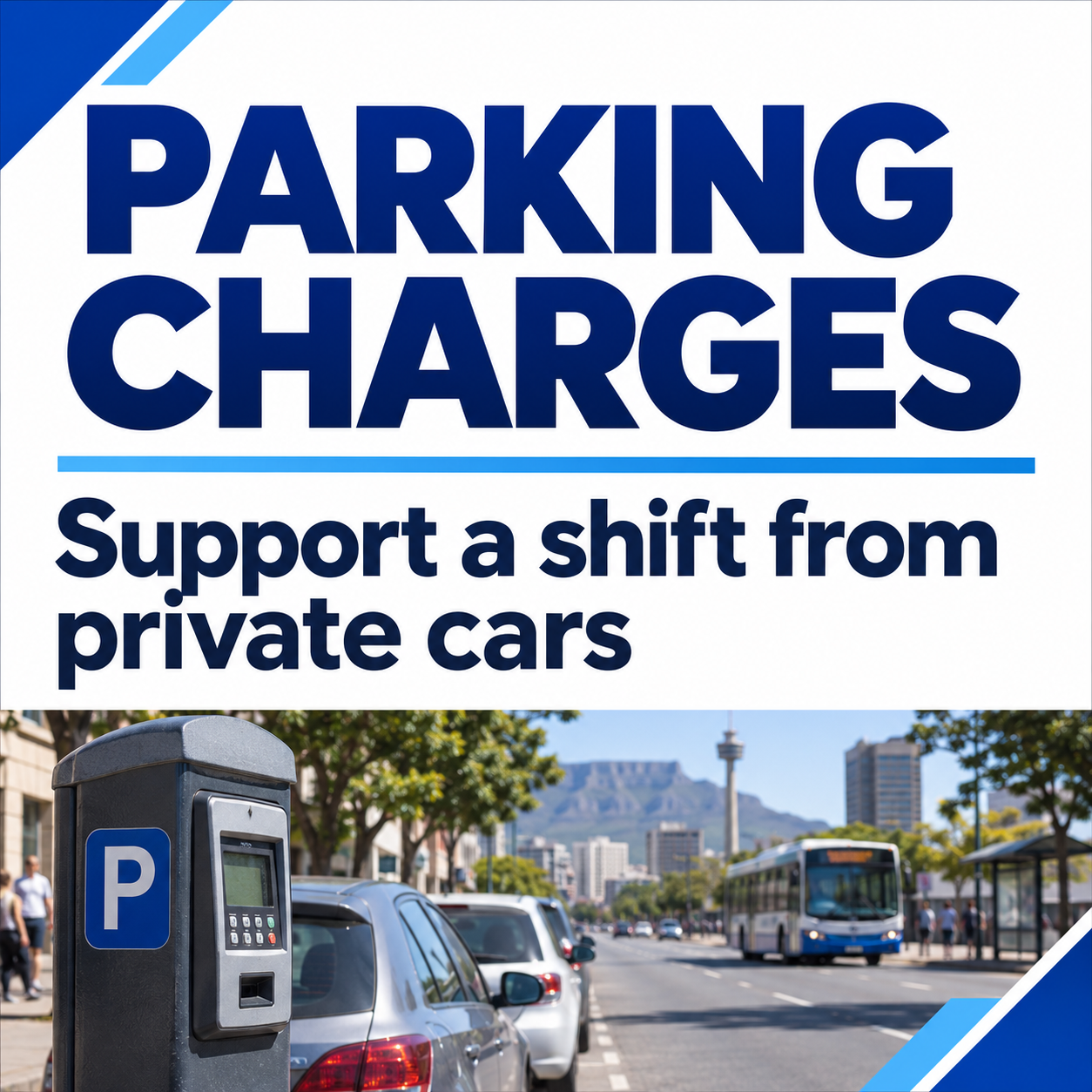
Parking policy must reinforce these improvements. Section 56 explicitly proposed: “Parking and other user charges for private cars”. The subsequent April 2016 metropolitan public transport study strengthened the argument. Its modelling found that park and ride would contribute little to a shift from cars unless accompanied by city centre parking charges.
POLICY STILL MISSING
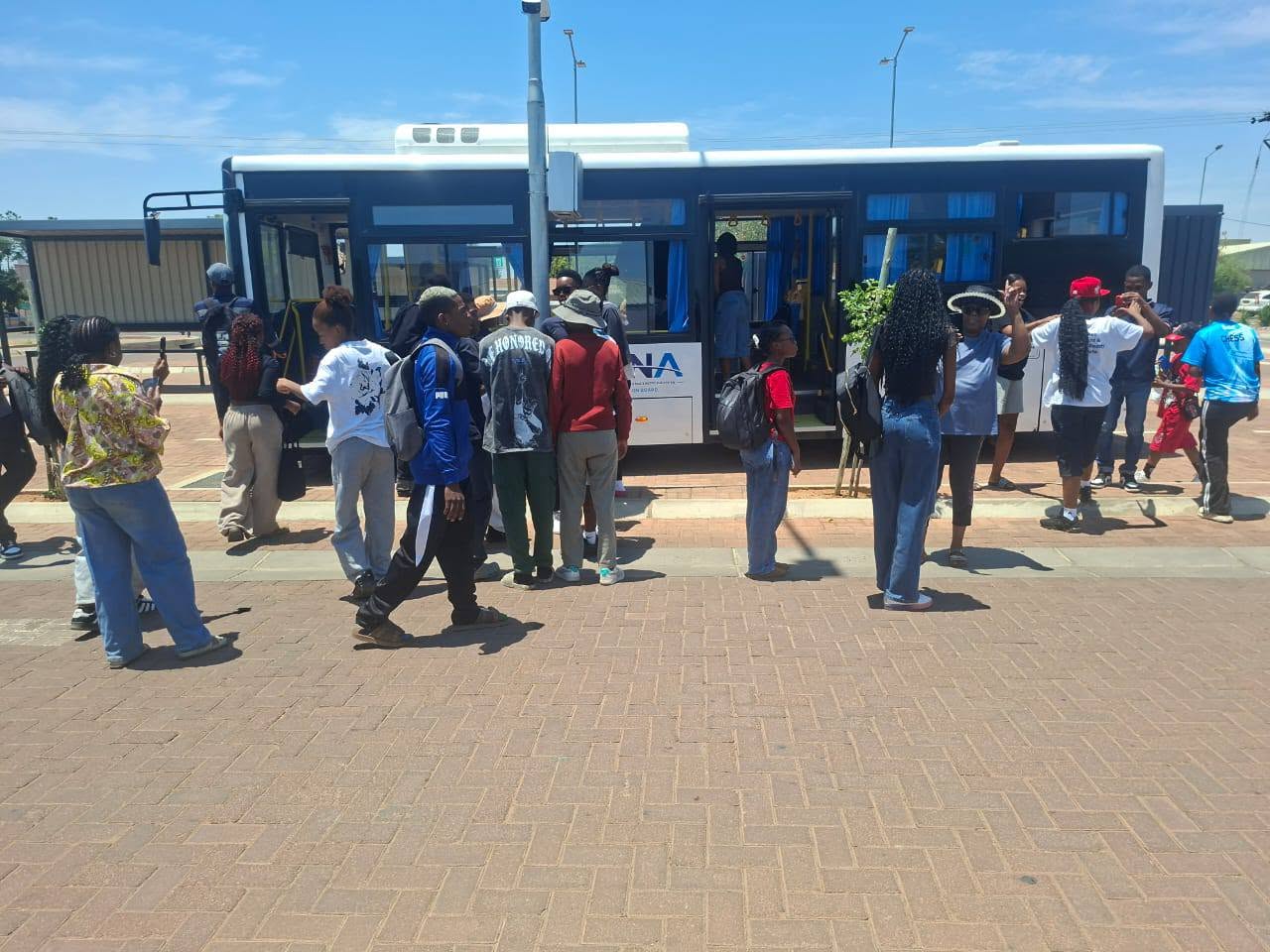
Welcome the rank improvements. Welcome the electric buses. Welcome bus priority lanes. But require government to explain how they fit into one funded, managed and measurable passenger transport system. To now imagine that CEDA has become the new custodian of urban public transport provision is ridiculous. In the same way, the Ministry of Trade has become the driver of the urgently needed and economically expedient transition to eMobility. Where is the Ministry responsible for the transport sector in all this confusion?
The absence of a transport policy is self-evident at every decision-making junction. Fifteen years after the policy recommendations were written and the full consultation across ministries and nationally carried out, transport users are still waiting for the policy framework that would make the investments work; without it they will surely disappoint.