
Botswana’s support for Beijing’s position on Taiwan raises a difficult question about the right to self-government that Batswana claimed in 1966.
DR DOUGLAS RASBASH
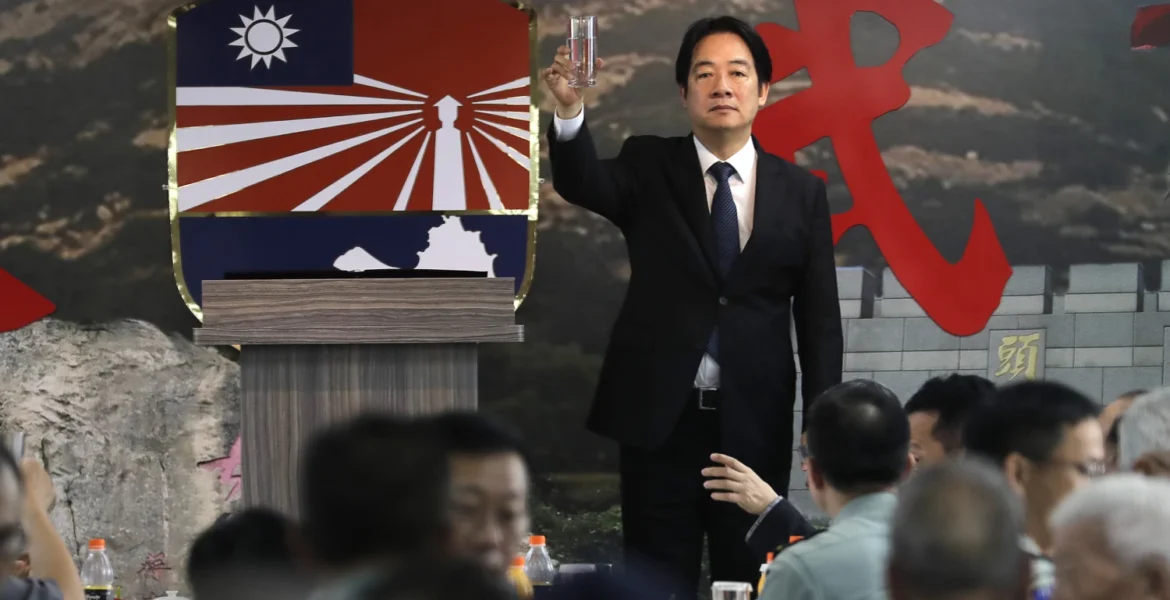
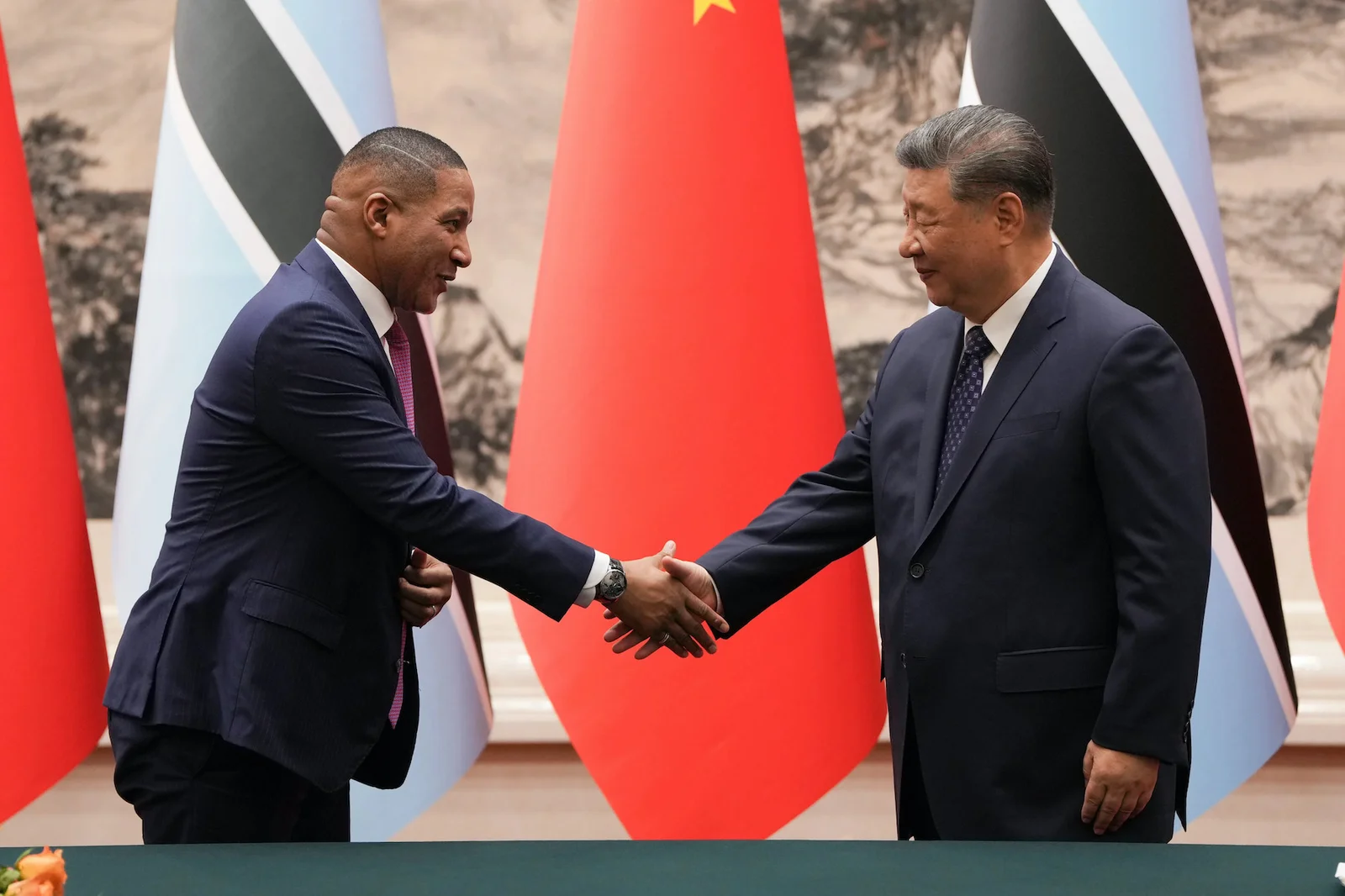
Sixty years ago, the world accepted that Batswana should govern themselves. We were poor, landlocked and dependent on others. Yet our independence was not made conditional on becoming rich, powerful or useful to somebody else. We were entitled to a country of our own. As we celebrate that achievement, we should ask what we mean when we deny others the same consideration. Botswana has reaffirmed its opposition to Taiwanese independence and its support for China’s reunification. Taiwan’s response was scathing, condemning Beijing for drawing other governments into declarations that denigrate Taiwan’s sovereignty.
ONE AFRICA TEST
Let us imagine this scenario: suppose a powerful government announced that Botswana was an inalienable part of a larger territory. Suppose friendly countries endorsed its claim without asking Batswana what we wanted. Would we call that diplomacy? Or betrayal? Perhaps we need a One Africa Principle to appreciate the discomfort. Africa’s borders largely reflect European conquest and bargaining. The Berlin Conference helped establish the framework for partition; subsequent colonial agreements drew boundaries across communities that had no meaningful say in the matter.
Now imagine somebody arguing that these artificial divisions must disappear, that Botswana belongs to Africa and that continental reunification overrides our wishes. Our flag could fly until further notice. We would reject the argument. Belonging to a continent does not mean belonging to its most powerful government. Shared ancestry does not cancel political consent. Whatever the origins of our boundaries, Botswana is our home, and its future belongs to its people. Why does that conviction weaken when we look towards Taiwan?
SEPARATE GOVERNANCE
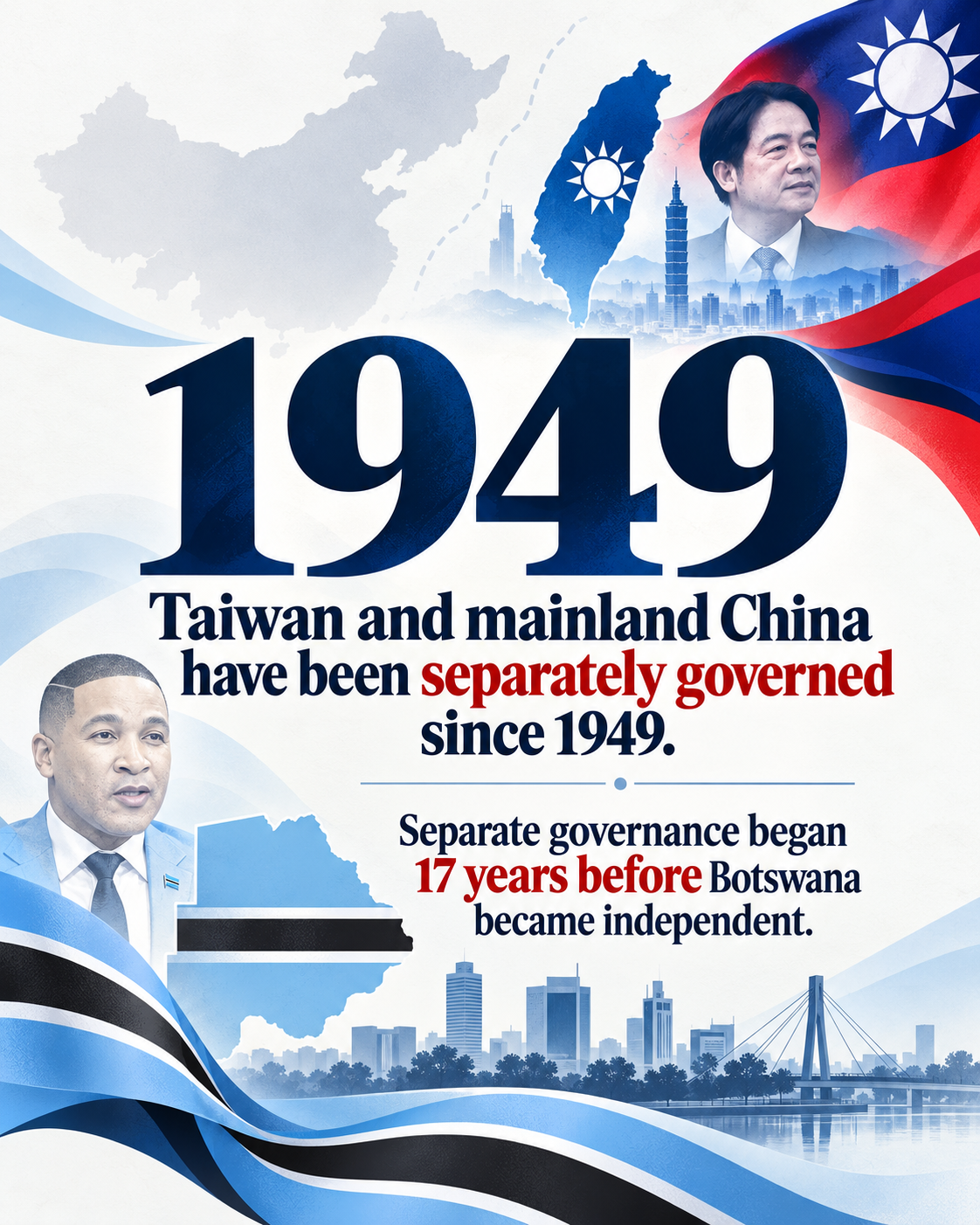
Taiwan and mainland China have been separately governed since 1949, seventeen years before Botswana became independent. The People’s Republic of China has never governed Taiwan. Across seventy-seven years, generations have grown up, raised families and built their lives outside Beijing’s administration.
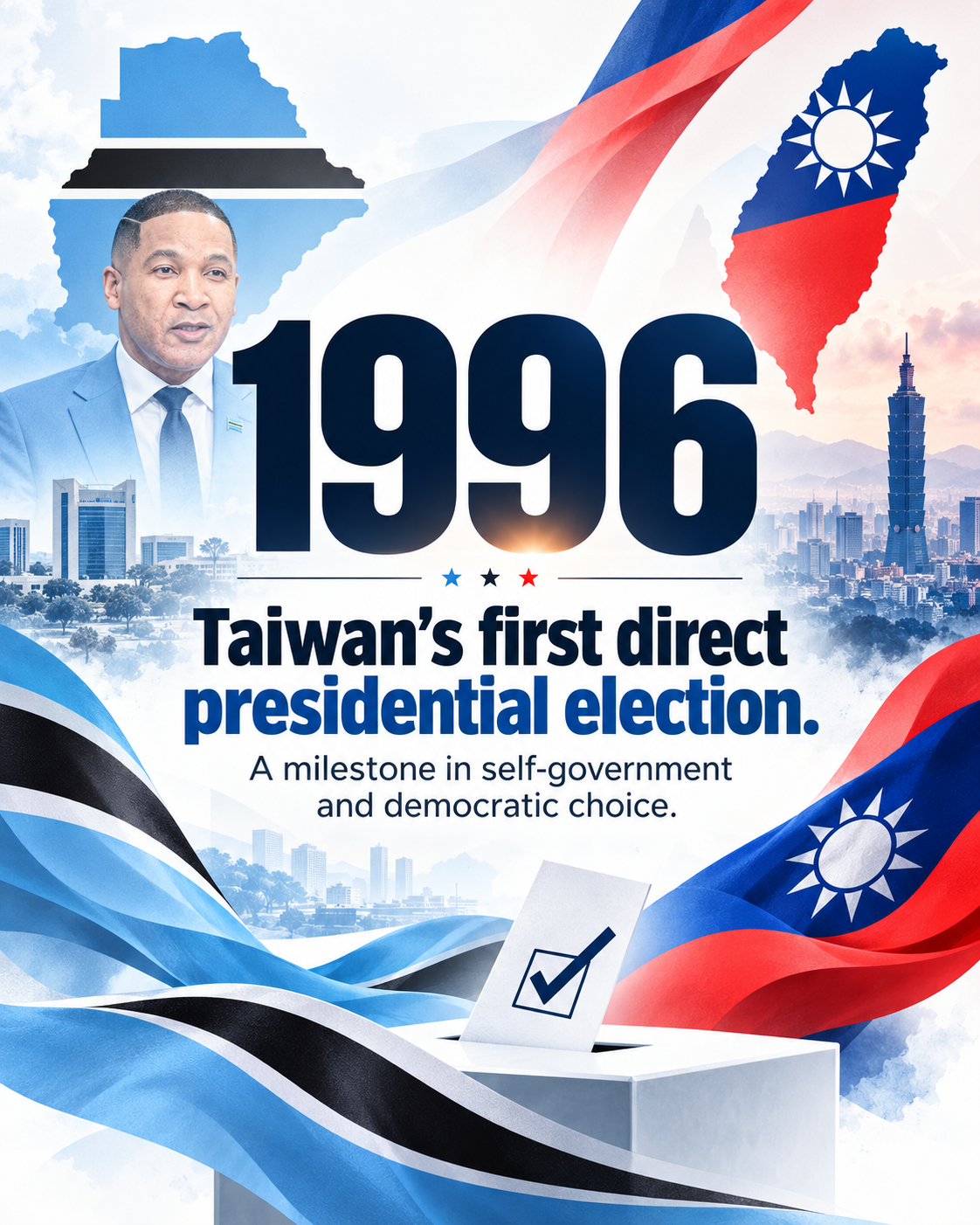
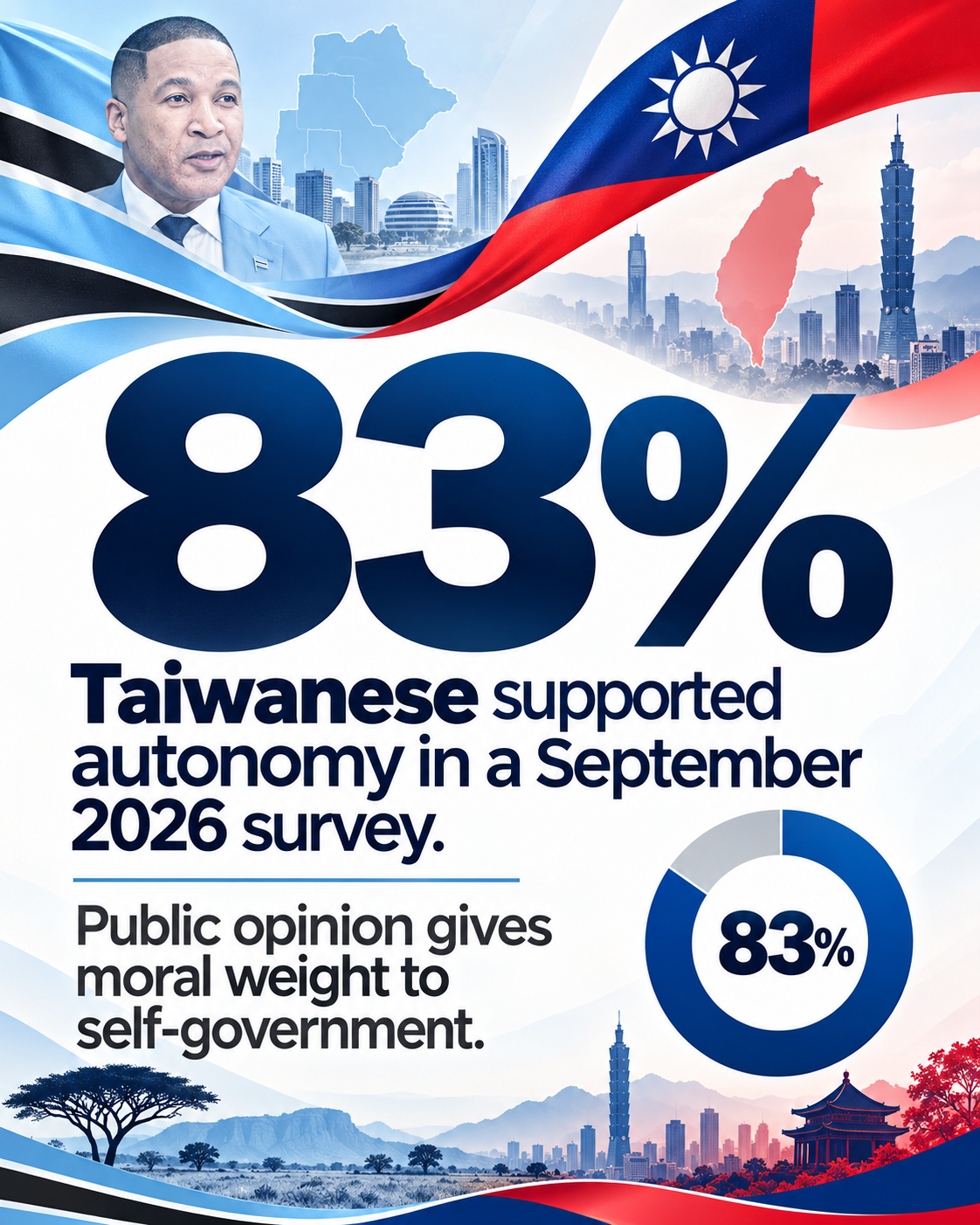
Separate administration did not always mean democracy. Taiwan endured authoritarian rule before developing the democracy it has today. Its first direct presidential election took place in 1996. Today its citizens choose their leaders in competitive elections. They can remove a government without asking permission from Beijing. Their votes should carry moral weight even when their government lacks widespread diplomatic recognition. A survey in September 2026 showed 83% of Taiwanese supported autonomy.
Taiwan has the practical foundations of statehood: a permanent population, territory under its administration, functioning institutions and the capacity to conduct international relations. Its approximately twenty-three million people sustain a sophisticated economy whose semiconductor industry helps power the modern world.
RIGHT TO GOVERN
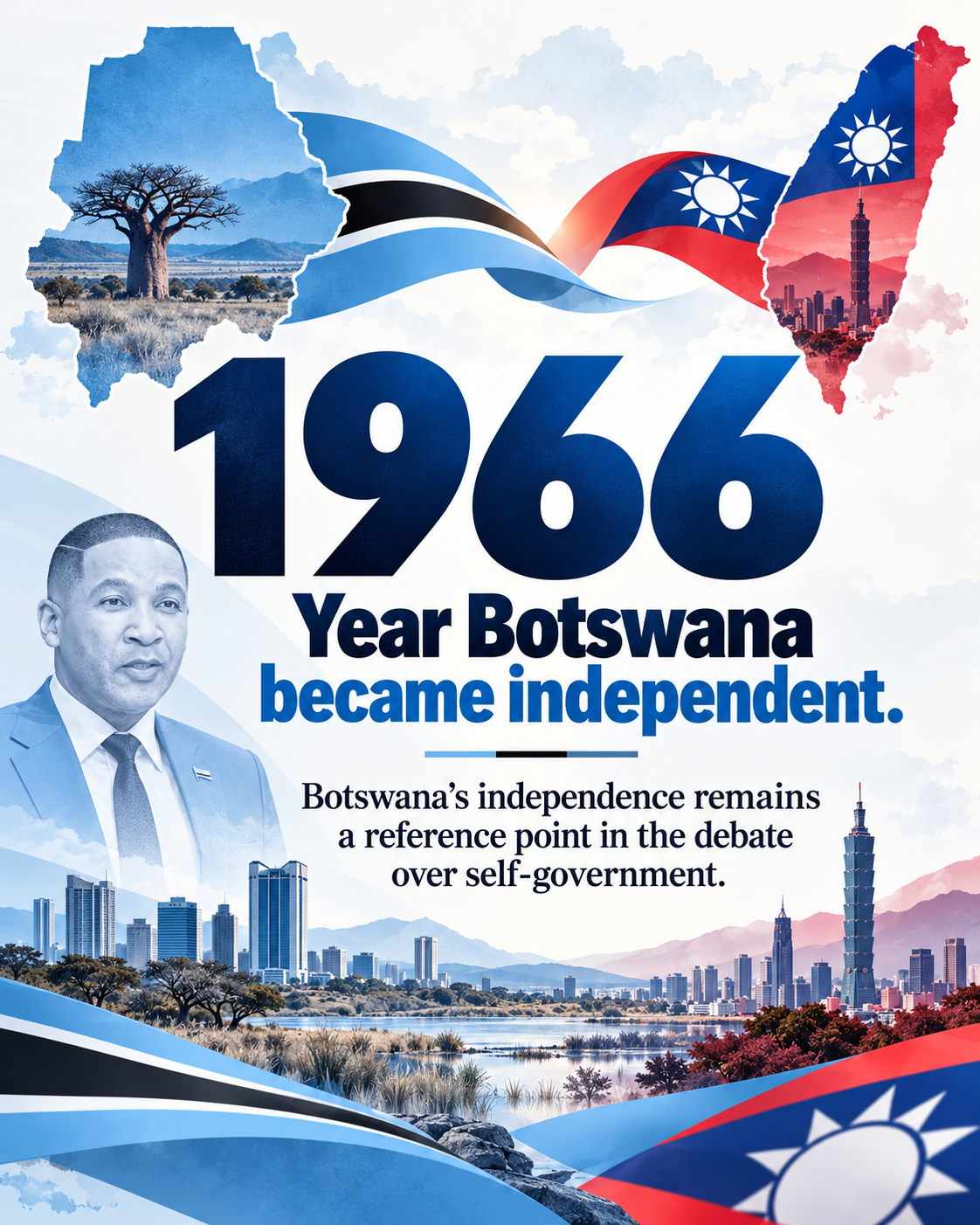
Taiwan plainly has the capacity to govern itself. The obstruction is political recognition, shaped by the power of the neighbour that claims it. Economic success should never be an entrance examination for sovereignty. Had it been, Botswana might have failed in 1966. Taiwan’s prosperity matters here because it removes any plausible suggestion that this society lacks the means to manage its own affairs. The harder question is whether we believe its people have that right.
CONTESTED SOVEREIGNTY
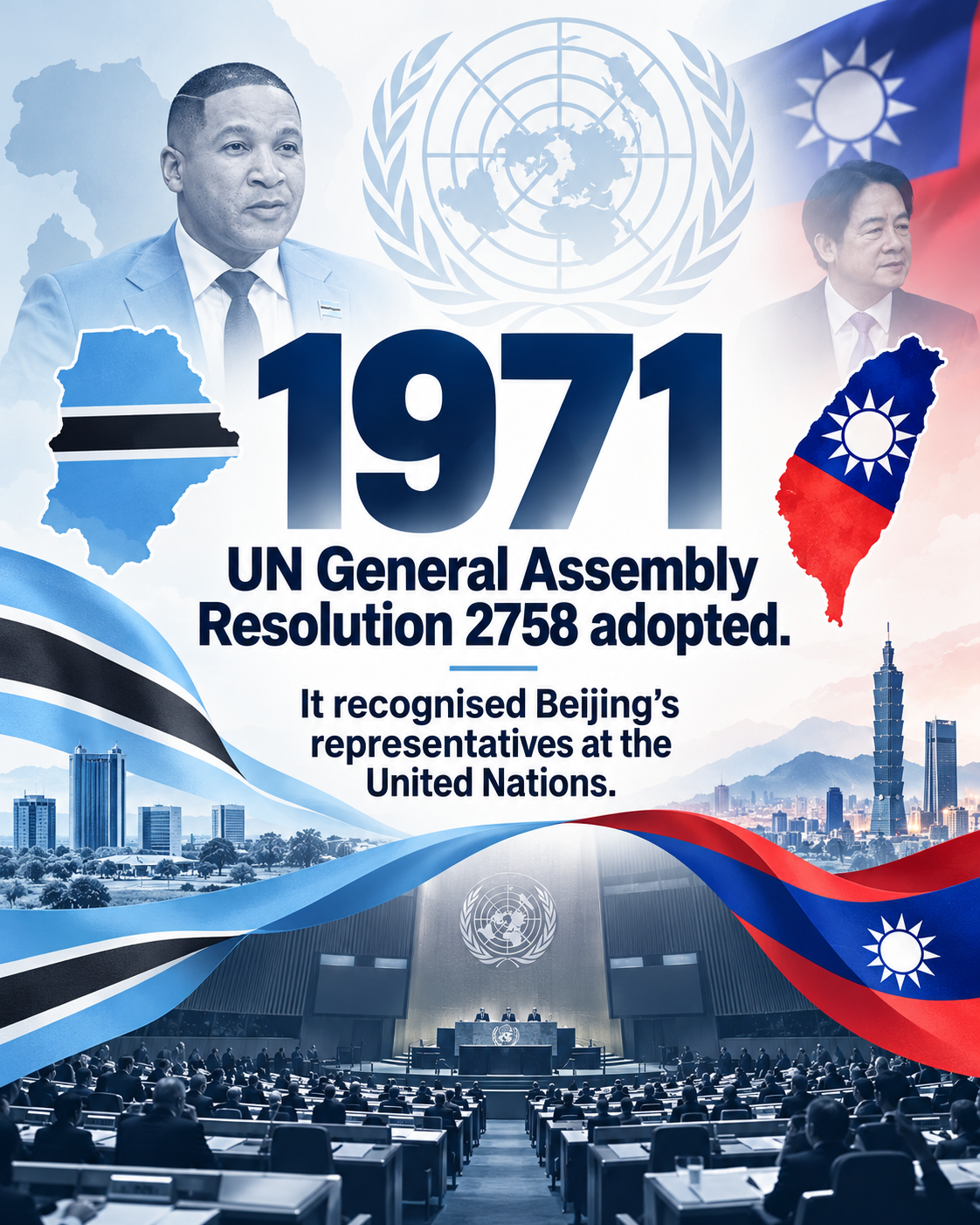
China’s historical claim deserves examination, and Taiwan’s legal status is contested. The Chinese civil war left rival governments claiming to represent China. Territorial integrity matters, especially to African countries anxious to avoid destructive border disputes. But complexity cannot make twenty-three million people disappear from the argument. A historical claim does not answer whether people living today consent to the government proposed for them. Nor does acknowledging that question require demanding a declaration of independence tomorrow. Continued self-government may itself be their choice. United Nations General Assembly Resolution 2758, adopted in 1971, recognised Beijing’s representatives as China’s legitimate representatives at the UN. Its text did not expressly settle Taiwan’s territorial sovereignty or specify how its people must choose their future. Beijing disputes that reading. We should recognise the disagreement rather than present one interpretation as an uncontested verdict. Recognising the government of China and endorsing every claim it advances are separate decisions. Botswana should be capable of distinguishing them.
PRINCIPLE AND POWER
China is an important partner. We have sound reasons to maintain good relations, welcome investment and cooperate on development. But what is friendship worth if its price is silence about principles we would invoke desperately for ourselves? Consider the voter who expects the next government to be chosen at a polling station. Their desire to live without coercion is no less deserving of respect.
African unity can be a worthy ambition. So can a peaceful relationship between Taiwan and mainland China, including any arrangement freely accepted by their peoples. Consent gives such arrangements legitimacy. Pressure and threats cannot supply it. The One Africa analogy does not make the histories identical. It asks us to apply a familiar moral test: would we accept for ourselves the rule we endorse for somebody else?
BOTSWANA’S CHOICE
Botswana could uphold its relationship with Beijing while insisting that Taiwan’s future be pursued peacefully, with the freely expressed consent of its people. We once needed the world to look beyond imperial maps and see human beings with a claim to dignity. Eswatini, in recognising Taiwan, seems to retain the principles that Botswana and others have conveniently forsaken. We cannot honour that principle by treating another society’s future as something to be settled between powerful capitals. Our independence gave us a voice in the world. Surely we can use it to defend the importance of listening to those whose lives are at stake.
TAIWAN’S RESPONSE
Taiwan accused Beijing of using bilateral statements as “cognitive warfare” to change the status quo and undermine the international order. Its message to Botswana was pointed: remain objective and neutral, do “not blindly submit to China’s deliberate political manipulation”, and do not disregard the threat China’s actions pose to regional peace. Batswana deserve to hear them, and our government should answer them. Instead of kowtowing to the small print of Chinese trade agreements, we should ask what our own history obliges us to remember. When we raise the blue, black and white, we celebrate more than permission granted by powerful outsiders. We celebrate our right to belong to ourselves. If that right means anything, our conscience should travel further than our borders and vested interests.