
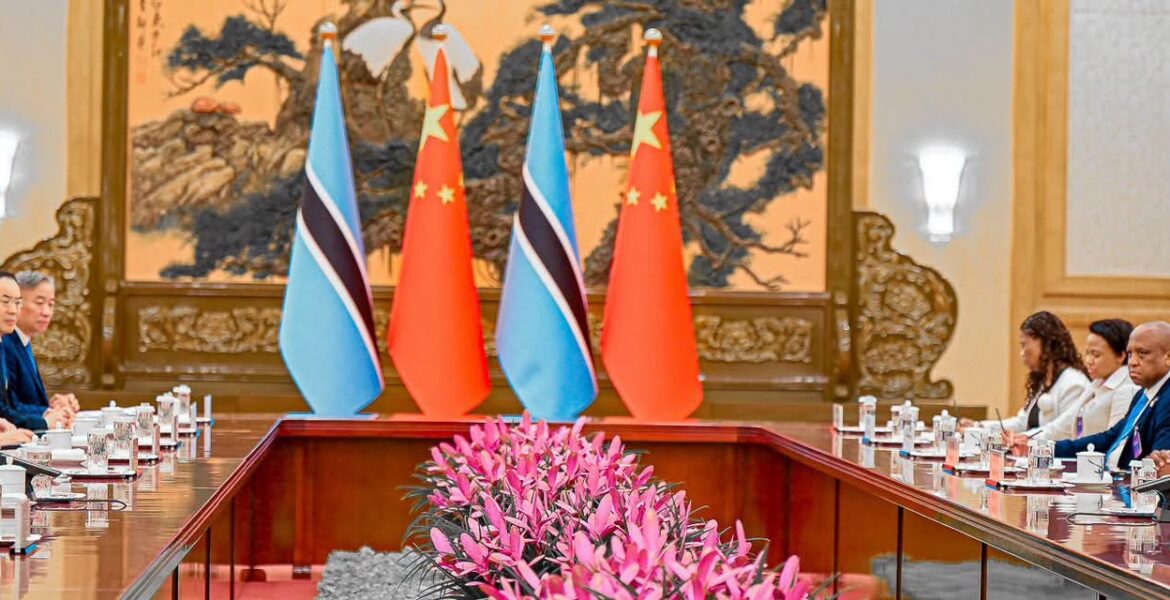
Beyond agreements and investment opportunities, the real test of Botswana’s visit to China is whether it learned how to build lasting skills, standards and institutions at home.
DR DOUGLAS RASBASH
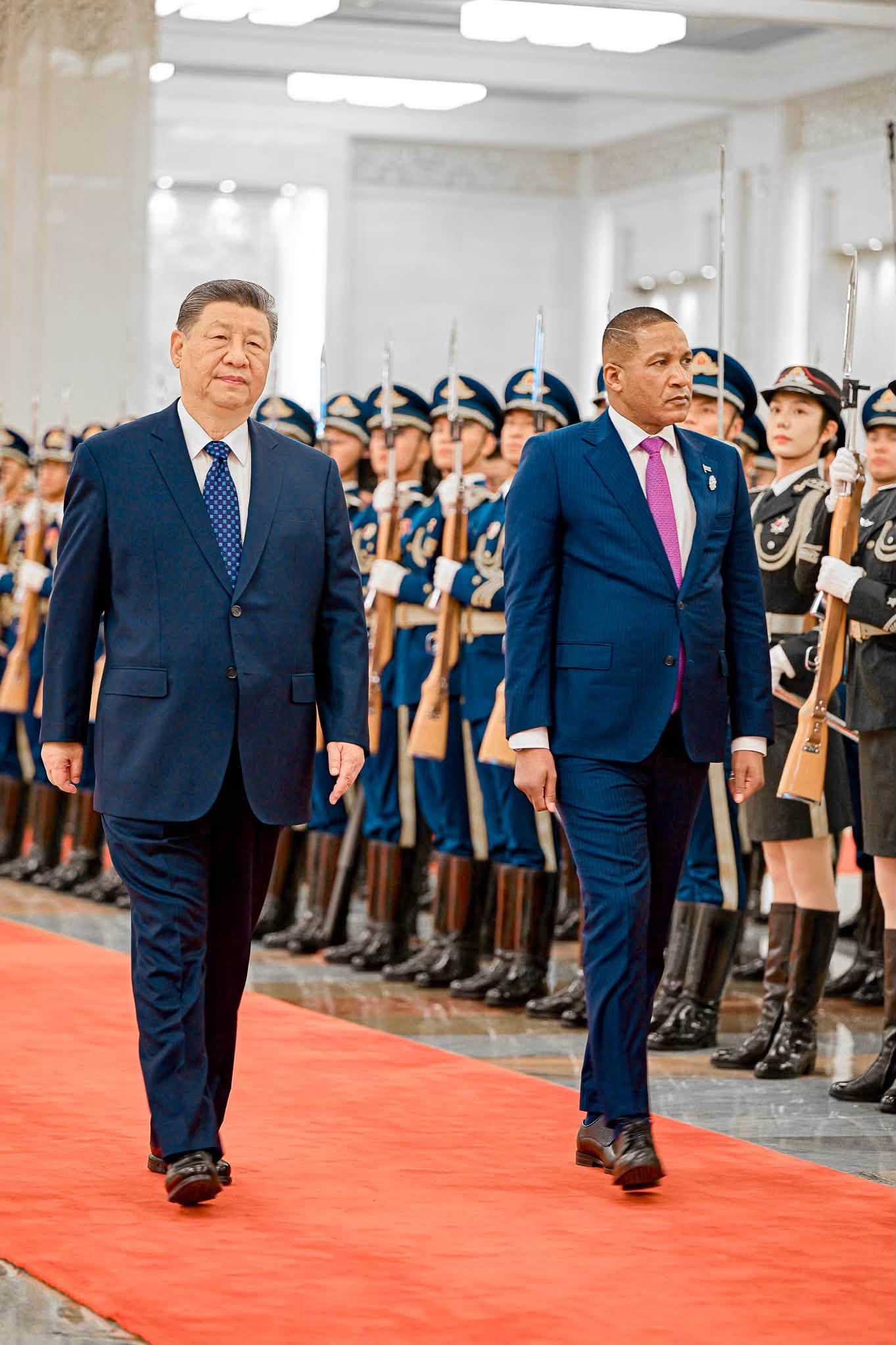
Botswana’s delegation has returned from China. Beyond the agreements and investment opportunities lies a question worth asking: what did they really learn? Did they see development success, or begin to understand the civilisation behind it? Did they admire what China possesses, or examine how Chinese society acquired the capacity to produce it? Why have several Asian societies built formidable industrial economies while so many African countries continue to depend on foreign capital, expertise and contractors? But perhaps we spend too little time discussing philosophy: what societies value, what they expect of themselves, and how they cultivate mastery.
THE PORCELAIN TEST
Five hundred years ago, Chinese artisans were producing porcelain of extraordinary refinement. Surviving Ming pieces reveal delicate forms, carefully controlled glazes and intricate decoration. Imperial production at Jingdezhen brought specialised materials and manufacturing knowledge into the service of demanding artistic standards. What kind of society could produce such an object, repeatedly, centuries before modern industrial machinery? Its manufacture required knowledge of materials and heat, skilled hands, organised production and exacting judgement. Someone also had to recognise a defect. Someone had to care enough to reject it. Knowledge had to survive the individual craftsman and pass to another generation. The accumulated capability behind it was substantial.
Human equality does not mean identical historical accomplishment. Africa has distinguished artistic and technical traditions of its own. The useful question is how inherited knowledge becomes a foundation for further achievement, and why that process flourishes in some circumstances and falters in others. A porcelain bowl does not explain an electric vehicle factory. Nevertheless, it offers an entry into something a factory tour may miss: the cultivation of knowledge, judgement and standards over time.
PHILOSOPHICAL ROOTS
Chinese philosophical traditions also invite deeper attention. Confucian thought places considerable weight on learning, self-cultivation, relationships and the responsibilities accompanying authority. Daoist traditions offer different reflections on balance, restraint and responsiveness to circumstances. Neither can be reduced to a slogan about hard work. These traditions ask questions that development plans often leave unanswered. What constitutes a worthy person? What makes authority legitimate? What obligations extend beyond personal advancement? What does it mean to perform an ordinary task well? Botswana should recognise these as development questions.
We discuss skills shortages as though the difficulty were simply an insufficient supply of certificates. Yet competence also requires practice, correction and judgement. A qualification cannot substitute for the ability to diagnose a fault. What status do we give the technician who maintains equipment, the teacher who patiently develops understanding, or the craftsperson who refuses to release defective work? Do we honour mastery sufficiently, or reserve our greatest admiration for position and consumption? That question reaches beyond government policy. It concerns our social values.
BEYOND STEREOTYPES
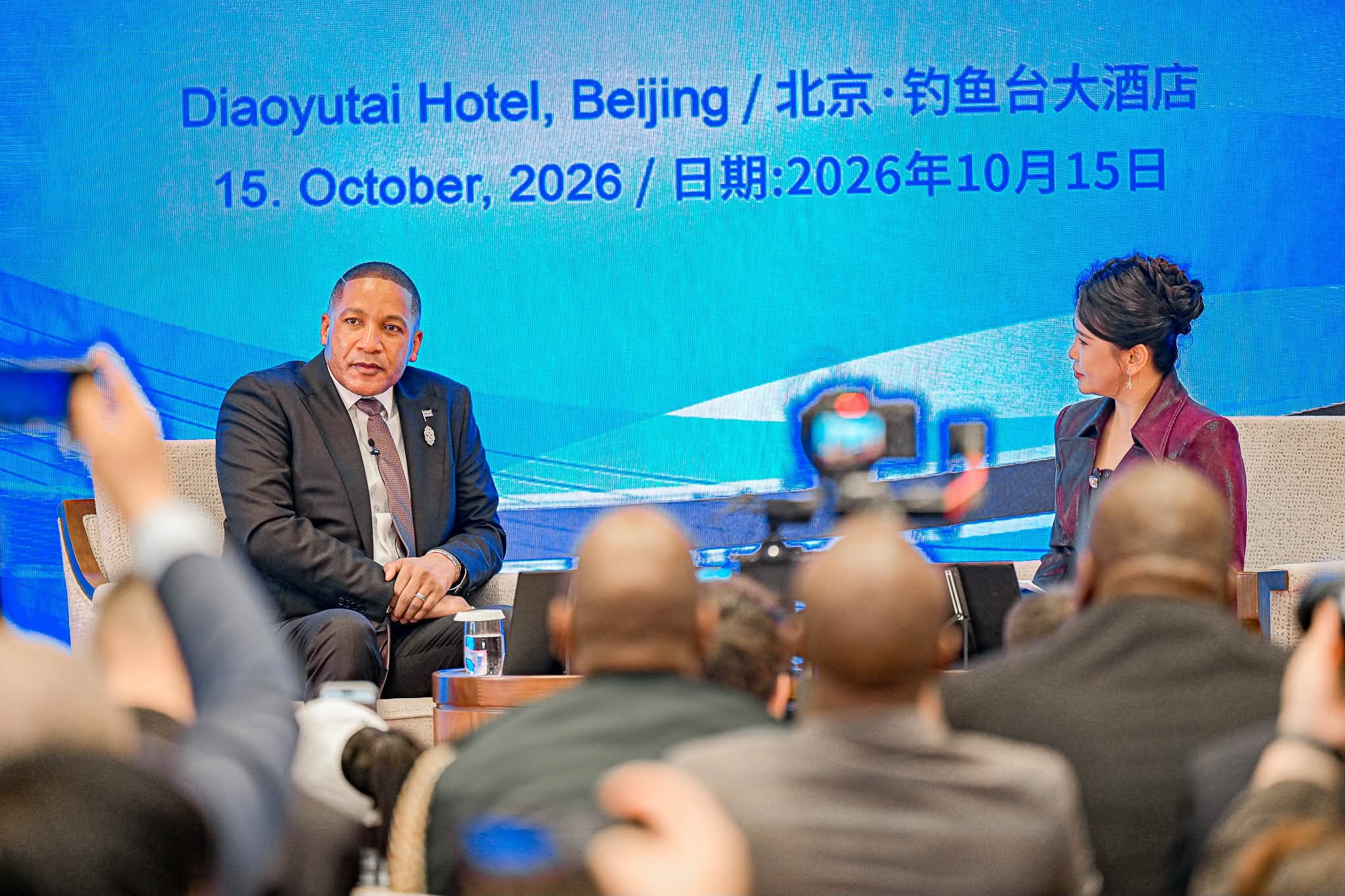
We must also avoid romanticising China. Its ancient civilisation did not prevent poverty, upheaval or disastrous political decisions. Modern China contains poor workmanship alongside excellence, environmental damage alongside technological achievement, and serious restrictions on political freedom. Research on East Asia’s economic transformation identifies education, investment, economic stability and manufactured exports as important contributors. Those are practical choices and capabilities, rather than qualities belonging exclusively to one people. This matters because the debate about Asia and Africa becomes sterile when it descends into destiny: Asians are supposedly disciplined; Africans supposedly are not. Such claims explain little and excuse too much. The more challenging question is how societies encourage particular behaviours. Does competent work bring recognition and opportunity? Does persistent failure carry consequences? Can a young person build a respected livelihood through technical excellence? Do institutions remember what they have learned?
BUILDING CAPACITY
Here Botswana has grounds for self-examination. We can commission a building without developing sufficient capacity to maintain it. We can purchase sophisticated equipment while remaining dependent on outside specialists for its operation. We can announce an industrial ambition without patiently assembling the knowledge, suppliers and standards needed to sustain production. The cumulative dependence should trouble us. China did not develop in isolation. No serious economy does. Foreign knowledge, technology, investment and markets can all contribute to domestic development. The decisive question is what remains locally after the transaction: greater capability, or another obligation to call someone overseas?
For Botswana, cooperation with China should be judged partly by whether it expands our capacity to solve our own problems. Will Batswana learn to design, adapt and improve, as well as operate? Will local enterprises acquire capabilities that survive the initial contract? These questions reveal the difference between acquiring development’s products and cultivating the ability to produce them. Our own philosophical resources deserve equal seriousness. Botho should have implications for how an employer treats workers and how an official handles public responsibility. Communal obligation should extend to the care of public assets. Respect for future generations should influence what we borrow and what we preserve. Invoking tradition ceremonially is easy. Allowing it to govern conduct is more demanding.
THE LESSONS
A large delegation can visit impressive places while learning surprisingly little. An itinerary may offer abundant exposure and limited reflection. We should therefore expect returning delegates to explain what challenged their assumptions, what they discovered about building capability, and what they will now do differently. The most consequential discovery may be uncomfortable: development asks something of the society receiving it. Money and equipment cannot perform that work on our behalf.
Five hundred years ago, someone looked at a porcelain vessel and decided that its proportions, finish and decoration mattered enough to perfect. What would it take for that determination to become an everyday expectation in our classrooms, workshops, businesses and public offices? Perhaps the most revealing question for our returning delegation is this: Did they go to China to find someone who could develop Botswana, or to understand what Botswana must cultivate within itself? Our leaders have told us that China offers an example worth studying. They have announced agreements, grants and opportunities for cooperation. What they have yet to explain publicly is what the encounter taught them about Botswana itself. An undertaking to learn is welcome. The public should now hear the lessons.