
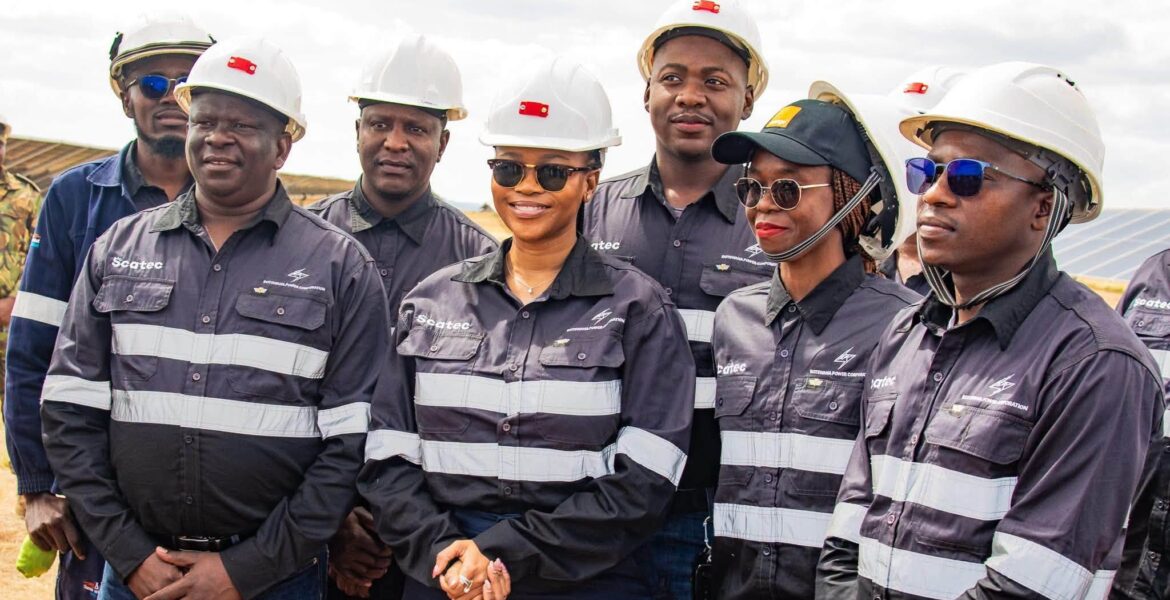
Botswana is localising electricity generation through solar power, but foreign ownership raises a deeper question about where the long-term wealth created by the energy transition will ultimately flow.
DR DOUGLAS RASBASH
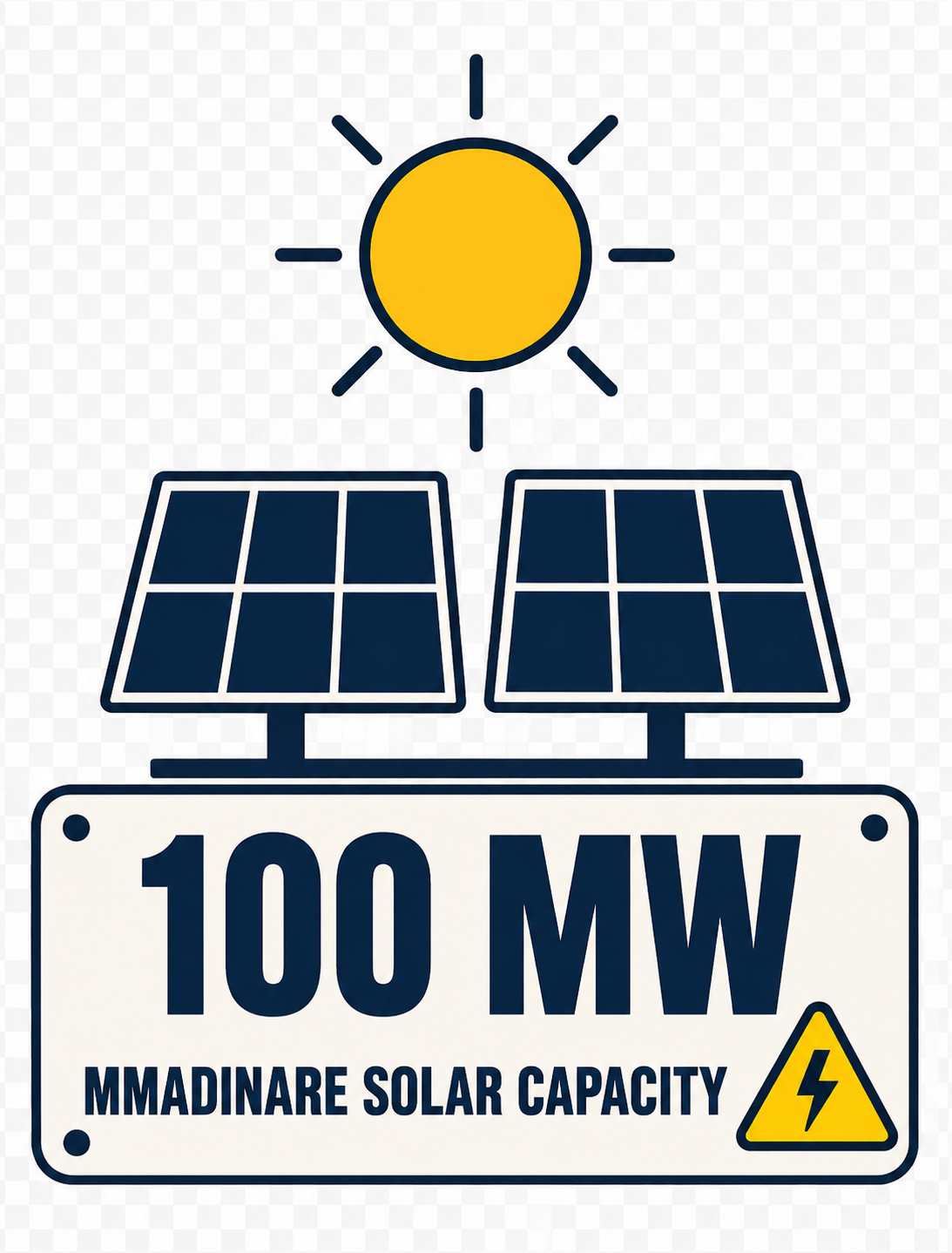
Minister Bogolo Kenewendo’s launch of the 100 MW Mmadinare Solar PV Cluster is an important milestone in Botswana’s energy transition. It is the country’s first utility-scale renewable independent power project, puts Botswana’s abundant sunshine to productive use and reduces the physical quantity of electricity that must cross the border from South Africa.
But there is another way of looking at it.
For decades Botswana Power Corporation has paid South Africa’s Eskom for electricity generated outside Botswana. Under the Mmadinare arrangement, BPC will instead pay for electricity generated inside Botswana, but the company receiving the long-term commercial return is ultimately Norwegian-owned Scatec. The electricity is domestic. The ownership is not.
Economically, therefore, the distinction between buying electricity from Eskom in South Africa and buying it from Scatec in Botswana is less clear than it first appears. In both cases BPC pays a foreign-owned supplier and a significant part of the resulting income ultimately accrues outside Botswana.
In balance-of-payments terms, that makes foreign-owned domestic generation resemble a de facto electricity import. We have localised the generation, but not necessarily the ownership or the wealth it creates.
FOREIGN OWNERSHIP
The Mmadinare development is held through two Botswana-registered companies, Selebi Phikwe Solar Proprietary Limited and Mmadinare Solar Proprietary Limited. But Botswana incorporation should not be confused with Botswana ownership.
CIPA records identify the shareholder as Scatec Solar Netherlands B.V., ultimately controlled by Norwegian renewable-energy company Scatec ASA. The four directors listed for both Botswana companies are foreign nationals. There is presently no identifiable Botswana citizen ownership and no Motswana serving on either board.
Scatec itself has stated that it owns 100 percent of the project portfolio. It is also the engineering, procurement and construction contractor, asset manager and operations and maintenance provider, with construction and operations managed through its organisation in South Africa.
The ownership chain is therefore strikingly comprehensive.
Botswana provides the sunshine, the land, the grid connection and, through BPC, the guaranteed market for the electricity. Foreign capital and expertise have built the plant, but foreign interests also own the productive asset and occupy most of the durable commercial positions around it.
This matters because a solar farm is not simply P1.5 billion worth of panels. It is a 25-year income-producing asset.
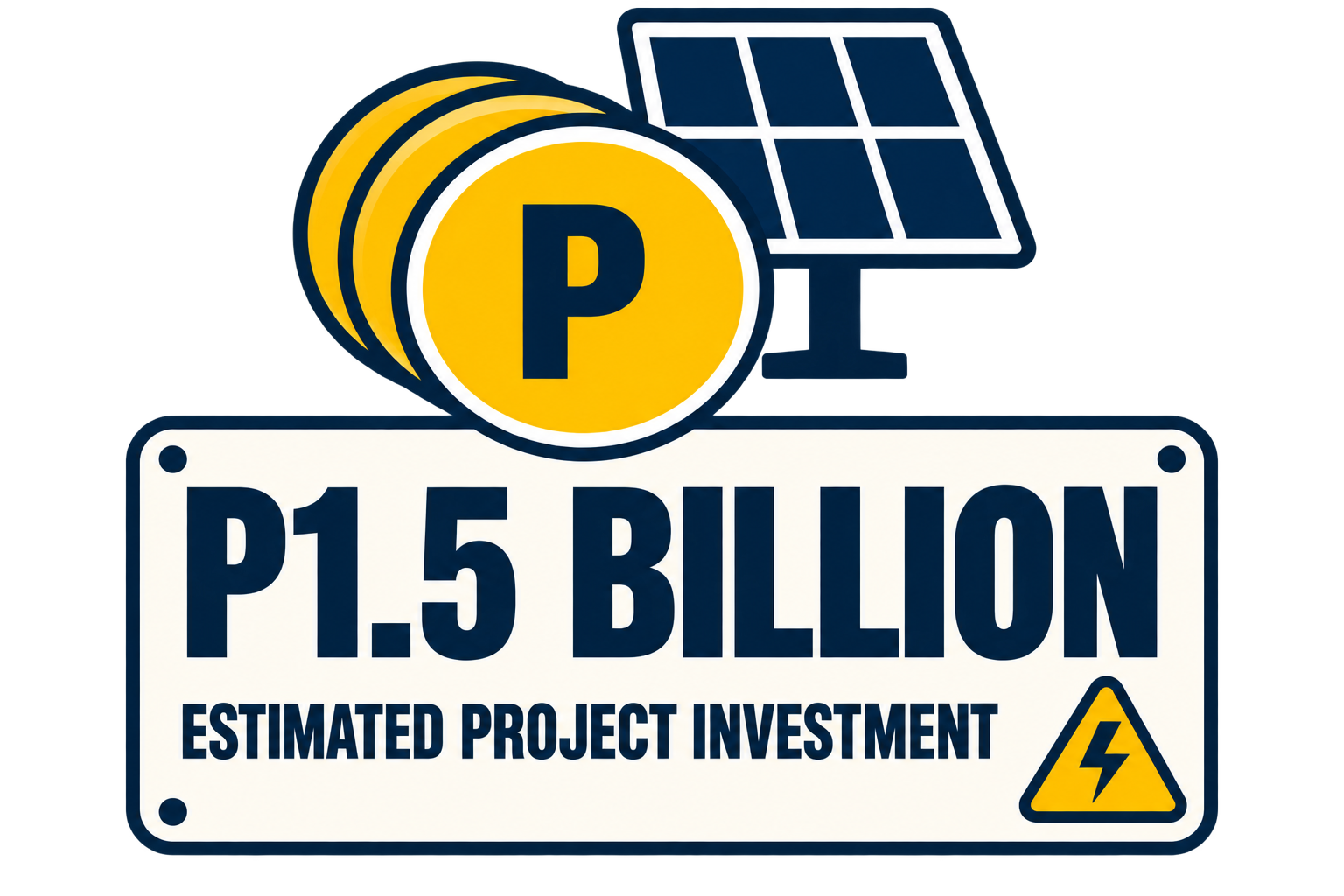
Scatec estimated total project investment at approximately P1.5 billion, including an engineering, procurement and construction contract of about P1.2 billion awarded to Scatec itself. Approximately P1 billion was expected to come from project debt, with the remainder provided as Scatec equity.
Debt financing from a Botswana bank should not be mistaken for Botswana ownership. A lender earns interest and expects its money back. The equity owner receives the residual profit and owns the productive asset.
CHEAPER POWER
BPC signed a binding 25-year Power Purchase Agreement with Scatec in August 2022. For a quarter of a century, Botswana consumers will therefore help generate the revenue supporting this privately owned asset.
There is nothing inherently wrong with this arrangement. Foreign direct investment is essential to Botswana. International renewable-energy companies bring capital, technology, experience and the ability to execute projects at scale.
Nor should the ownership issue obscure an important economic advantage: solar electricity can be substantially cheaper than imported Eskom power.
BPC’s own accounts illustrate the point. In the year ending March 2024, electricity purchased from the small Shakawe and Bobonong solar IPPs averaged approximately 105 thebe/kWh, compared with 148 thebe/kWh for Eskom scheduled supply and 502 thebe/kWh for Eskom emergency supply.
Those are not perfectly comparable products because solar is intermittent whereas emergency imports are dispatchable, but the direction is unmistakable.
So the argument is emphatically not that Botswana should continue buying expensive South African electricity rather than develop solar power. It is that we should distinguish between where electricity is generated and who owns its generation.
When BPC buys electricity from a wholly foreign-owned IPP operating inside Botswana, the physical electricity does not cross the border, but dividends, management fees, returns on equity and potentially other payments associated with the investment can.
The power has been localised. The income stream has not necessarily been localised with it.
CITIZEN EQUITY
This becomes still more important because solar generation creates relatively few permanent jobs once construction is complete. Construction brings valuable temporary employment and local expenditure. But when the construction teams leave, the principal enduring economic benefit resides in ownership of the productive asset and the income it generates.
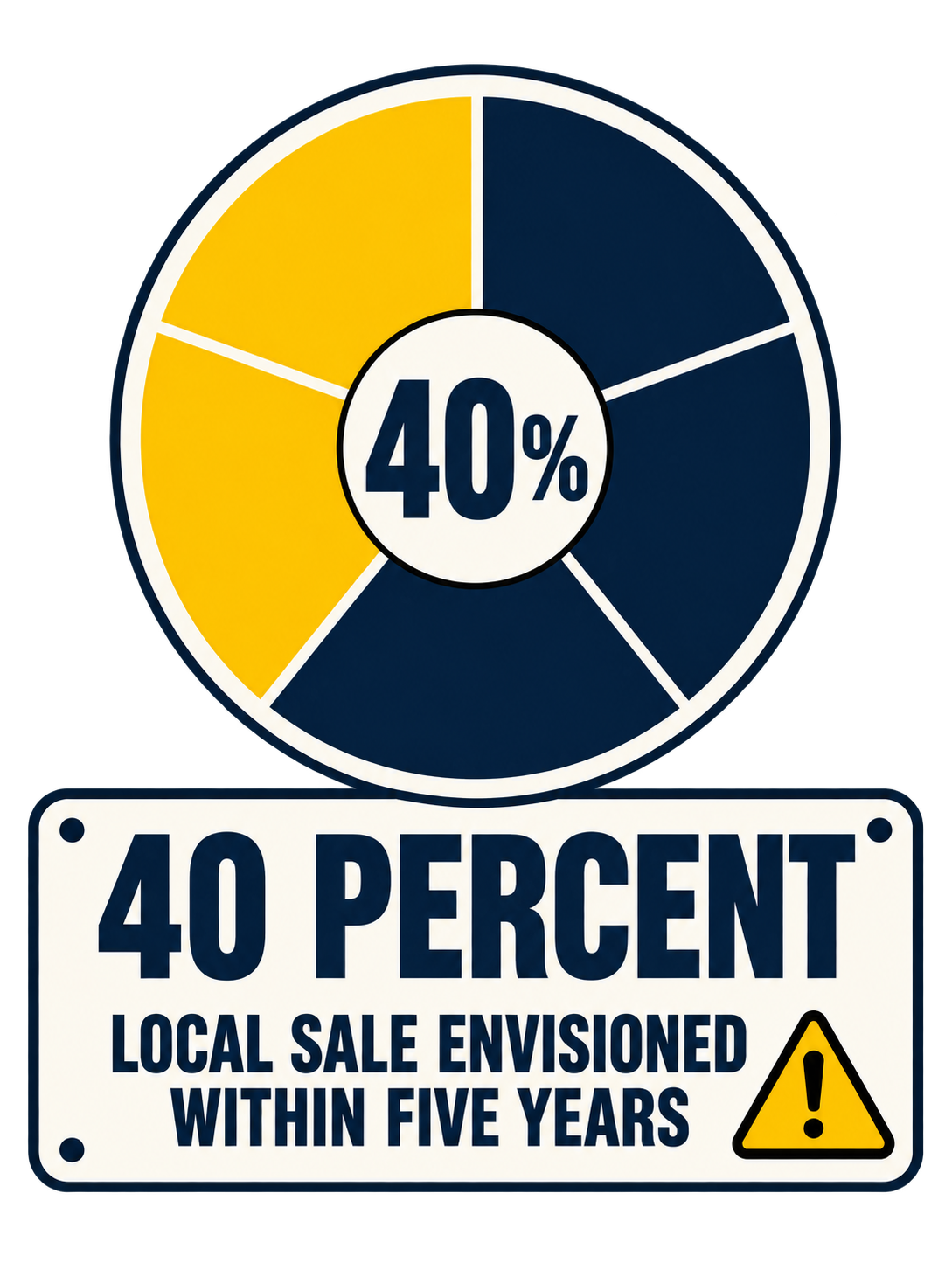
There is a possibility of future Botswana participation. IFC disclosures state that the sale of 40 percent of Selebi Phikwe Solar to local investors is “envisioned” within five years of commercial operation on a “best-effort basis.”
But envisioned is not required.
There appears to be no binding guarantee that 40 percent will be sold to Batswana, when it will happen, who will qualify, or at what price.
Citizen ownership should therefore be designed into renewable-energy procurement from the beginning rather than hoped for afterwards.
Botswana pension funds, citizen investment institutions and private investors could potentially participate alongside international developers. Procurement could establish minimum citizen-equity requirements, Botswana board representation, skills transfer, management localisation and measurable domestic procurement requirements.
Foreign investment would remain welcome. The difference is that it would supplement Botswana capital rather than substitute for it.
WHO BENEFITS?
Mmadinare should be recognised as an energy achievement. It produces clean electricity inside Botswana and can reduce the country’s exposure to expensive imported power.
But energy security is more than having generating equipment physically located inside our borders.
The deeper questions are: Who owns the generating assets? Who receives their profits? Who controls the companies? Where does the technical expertise accumulate? And where does the wealth created by Botswana’s energy transition ultimately reside?
Botswana should certainly replace expensive imported electricity with its extraordinary domestic solar resource. But replacing Eskom of South Africa with Scatec of Norway is only part of that transition.
The panels are in Botswana. The sunshine belongs to Botswana. The electricity enters Botswana’s grid. But for the next 25 years, we should also ask: where does the wealth flow?