
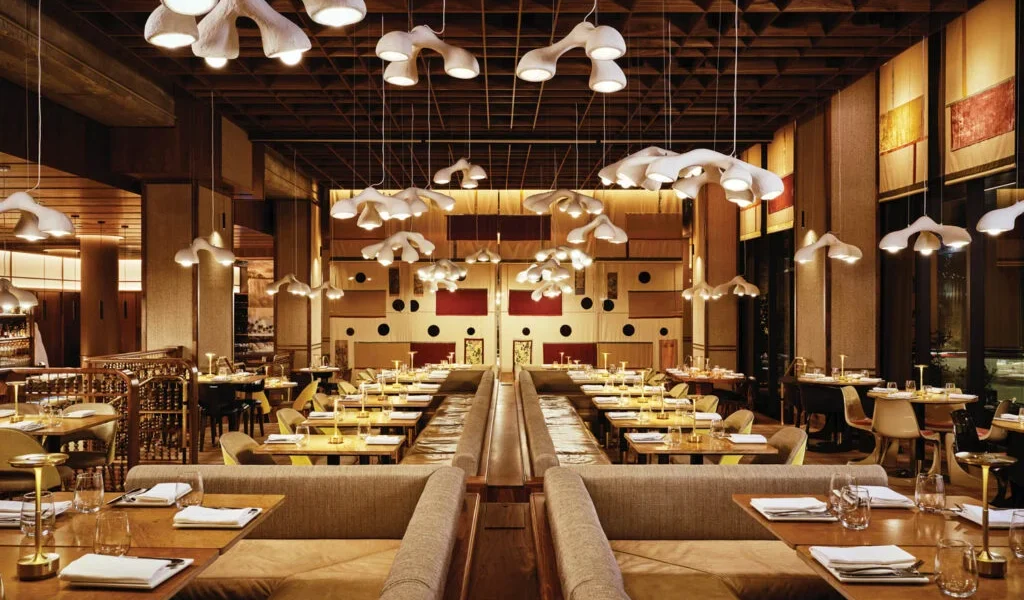
As city inspections shut down restaurants, diners are rethinking where and how they eat, with trust fast becoming the hottest item on the menu
GOSEGO MOTSUMI
Gaborone’s eating-out culture is having a moment of reckoning and it’s happening in full view of social media timelines.
As part of ongoing city upkeep, the Gaborone City Council has been temporarily closing restaurants following health inspections that exposed unsafe food handling practices. From missing medical certificates and protective gear to bare heads hovering over plates, the violations have triggered fines under the Public Health Act and Food Control Act, with doors remaining shut until compliance is confirmed.
FROM AESTHETICS TO ANXIETY
Obsessed with ambience and Instagrammable corners, diners are now scrolling with suspicion. Council-shared images of grimy kitchens have shifted the city’s foodie language from “where’s the view?” to “show us the kitchen first.”
“These sort of unexpected revelations are forcing us to eat at home,” said one concerned customer.
Another diner believes transparency could be the fix. “I do believe open plan kitchens are the answer to good hygiene in restaurants. When staff know they’re being watched, there’s psychological pressure to maintain a spotless station,” they said.
DOES IT KILL THE CULTURE?
While some fear the closures are dampening the city’s vibe, an anonymous restaurant owner sees it differently.
“People don’t just go to restaurants for food anymore; they go for convenience, experience and trust. When that trust is broken by poor hygiene, it damages all of us in the industry,” they told Time Out.
The owner admits the backlash is uncomfortable, especially for newer establishments, but insists basics cannot be negotiated. “Food safety is not something you ‘grow into’ — it’s a basic responsibility from day one.”
A CULTURE RESET
Online debates rage, but the shift is clear: diners want accountability. The closures, though disruptive, are forcing both customers and restaurateurs to rethink standards.
“Gaborone’s food scene won’t disappear because a few restaurants are temporarily closed,” the owner added. “It will survive by those willing to do things properly. A thriving food culture is built on trust, not just taste.”