
Botswana’s comedy scene has come a long way from pioneering comics to a nationwide movement. But while the laughs are getting louder, turning stand-up into a thriving industry remains the biggest joke no one is laughing at
GOSEGO MOTSUMI
There was a time when Botswana’s stand-up comedy scene could fit into one green room. Today, punchlines are flying from Gaborone to Kasane, Tsabong to Francistown, proving that the country’s funniest people are no longer confined to the capital. The laughs have multiplied, the audiences are growing, and comedy is finally demanding a seat at Botswana’s creative table.
FROM THREE COMEDIANS TO A MOVEMENT
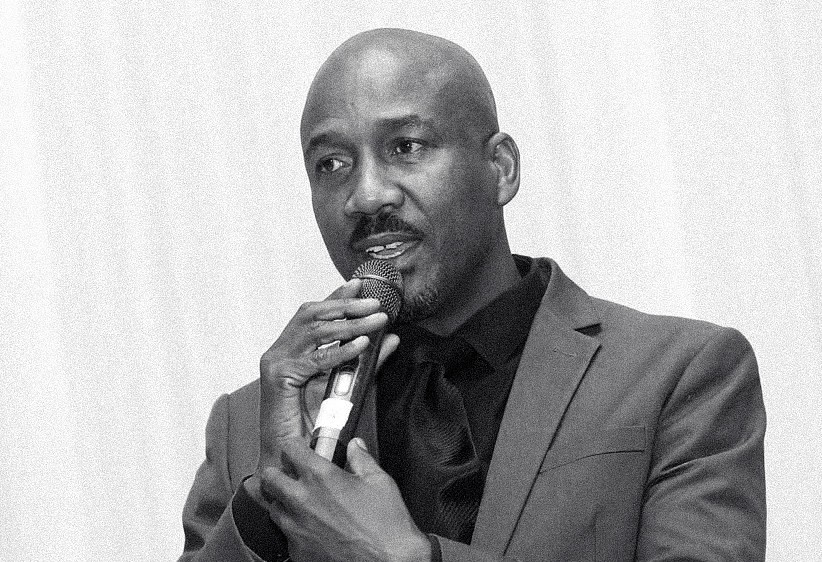
Events organiser of Major Moves Gaolatlhe Kediemetse has watched the transformation from the front row. He recalls a scene led by pioneer Dignash before comedians like Mod and Ribcracker expanded the stage.
Today, social media has become the industry’s loudest microphone, allowing comedians to build audiences, collaborate on skits, launch podcasts and land corporate gigs.
The growth has also produced regional success stories. Phenyo The Master presented at the Savanna Comics Choice Awards, Jonny Pula became the face of Savanna Botswana, while Thapelo Malani has taken Botswana’s humour across Southern and East Africa, opening doors for others to follow.
THE BIGGEST JOKE? MAKING MONEY
Despite the momentum, comedy remains a labour of love.
Small audiences, expensive venues, limited sponsorships and fierce competition from free online entertainment continue to make live comedy a financial gamble. Most comedians still balance full-time jobs with writing jokes, rehearsing and performing.
“The industry is still mainly based on passion rather than profit,” he told Time Out.
BUILDING A COMEDY ECOSYSTEM
Kediemetse believes Botswana doesn’t lack talent, it lacks infrastructure.
Regular comedy clubs, mentorship programmes, touring circuits, television exposure and stronger corporate support are among the missing ingredients needed to produce comedians capable of consistently competing internationally.
He also wants more festivals, regional collaborations and government recognition of comedy as a serious creative industry that creates jobs and attracts tourism.
THE LAUGH ISN’T OVER
Even with the challenges, Kediemetse sees reason to smile.
“If promoters, comedians, sponsors, media, and government collaborate to build a more structured comedy ecosystem, Botswana will develop a sustainable industry that produces acts capable of competing across Southern Africa and beyond.”
The country’s comedy scene may still be driven by passion, but if Botswana gets the formula right, today’s open-mic hopefuls could become tomorrow’s continental headliners.