
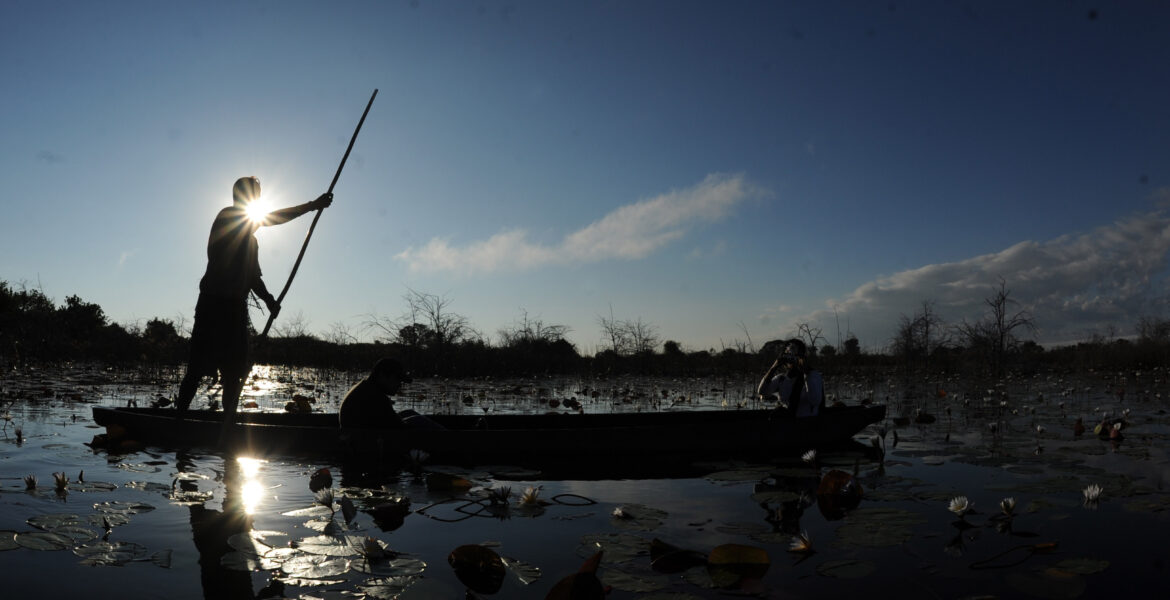
Botswana has spent 60 years turning diamonds into prosperity. Wilderness chairman Kabelo Binns believes the next 100 years should be about protecting something money cannot replace: the wild.
GOSEGO MOTSUMI
What happens when the diamonds run out? For Wilderness chairman Kabelo Binns, the answer should be obvious. Botswana must still have its elephants, lions and the Okavango Delta. At a stakeholder engagement at the Botanical Gardens in Gaborone, Binns delivered a passionate message for making conservation tourism the country’s next great economic inheritance.
THE NEXT BIG GEM
Binns’ message was less about celebrating an anniversary than challenging Botswana to think beyond its diamond legacy.
Having started his career in the diamond industry, his transition into conservation tourism has given him a different perspective on wealth.
“I will never speak ill of diamonds. They built Botswana. But a diamond can only be mined once, it should only be sold once,” he said.
Wildlife, however, offers something different. A lion can be seen thousands of times, while the Delta can welcome visitors for generations, provided it remains protected.
“Diamonds gave us the means to build a nation. Our wilderness gives us the means to sustain one.”
THE BUSINESS OF KEEPING IT WILD
Born in Maun in 1983, Wilderness has grown into an African conservation tourism operation spanning eight countries, but Botswana remains central to its identity.
The company employs approximately 1,000 people locally and has purchased nearly P2 billion in goods and services from Botswana’s economy since 2017. In the last financial year alone that was P282 million, P32 million of it from wholly citizen-owned businesses, many of them grown through their Citizen Supplier programme.
“And over the last decade, for every one Pula earned as dividend by our shareholders, Government received P5.30 in fees, tax etc and our staff nearly P8,” he said.
Binns also made a case for its low-impact, high-yield tourism model, warning against overcrowding concessions, adding beds and lowering prices at the expense of the country’s premium wilderness offering.
“The Okavango and the Linyanti are our hallowed ground. And hallowed ground is not for sale.”
PEOPLE ARE THE REAL LUXURY
Beyond the financial figures, Binns placed Botswana’s tourism success firmly in the hands of its people.
He praised local safari guides for combining generations of indigenous knowledge with scientific training, describing them as among the best in the world.
Through its training and community initiatives, Wilderness has also supported 2,700 children through Eco-Clubs and trained 41 citizen pilots.
His ambition is to see tourism standing shoulder to shoulder with diamonds by Botswana’s 70th independence anniversary, with its economic value doubled but its environmental footprint unchanged.
The challenge, ultimately, is not simply to attract more visitors. It is to ensure there is still something extraordinary for them to come and see.