
by Phenyo Motlhagodi
Phenyo Motlhagodi is a Cape Wine Academy–trained wine enthusiast and the writer of Pour Decisions, a weekly wine column in The Botswana Gazette. By day, he is a Chartered PR Practitioner (Chart.PR, CIPR) and founder of a pan-African boutique PR, Influence & Reputation Management consultancy, Tennyson. Instagram: @phenyomotlhagodi.
There are two kinds of wine drinkers: those who save bottles for “a special day”, and those who accidentally create special days by opening the bottle.
If you’re in the first group, you probably have a bottle at home that has been waiting for a promotion, a wedding, or the arrival of world peace. If you’re in the second group, you’ve learned something important: the best way to celebrate life is to actually drink the wine while your friends are still available and your knees still work.
AGEING SHIFT
Either way, the idea of aged wine tends to intimidate people. It feels like a secret society. But ageing is not a mystery. It’s a simple shift. Over time, fruit becomes less loud, texture becomes more interesting, and aromas become more layered. In other words, the wine matures the way people do it calms down, picks up nuance, and starts telling better stories.
Here’s what changes in the glass.
Young wine is usually all about primary fruit: fresh citrus in whites, bright berries in reds, that immediate “wow” of flavour. With age, those fruit notes step back and the supporting cast steps forward. You start finding things like honey, nuts, dried fruit, tobacco, leather, earth, mushroom, tea, spice. The wine isn’t necessarily “stronger.” It’s more complex. The finish often gets longer and the whole experience feels more connected, like the flavours have agreed on a shared plan.
IN THE GLASS
This is why I always say: aged wine isn’t better. It’s just different and sometimes, it’s storytelling in liquid form.
Now, the practical question: what actually ages well?
Not everything. Some wines are made to be drunk young, when their fruit is at its brightest. And that’s not a failure it’s a design choice. Generally, wines with good structure have a better chance of ageing. That structure can come from acidity (often in whites), tannin (often in reds), concentration, or a combination of all three. Sweet wines can age beautifully too because sugar is a natural preservative. Sparkling wines, especially those made in traditional method styles, can also develop wonderful complexity over time.
WHAT AGES
But don’t turn this into a finance lecture. You’re not buying wine to impress a stranger on Instagram. You’re buying wine to understand your own palate.
That brings us to the most important phrase you’ll hear in wine ageing: “drink window.”
A drink window is simply the period when a wine is likely to taste its best. Think of it like a concert. If you arrive too early, the band is still sound-checking. If you arrive too late, the lights are off and the chairs are stacked. The drink window is when the wine is “in show.” Some wines have short windows. Some have long ones. The trick is not to be perfect it’s to be curious.
DRINK WINDOW
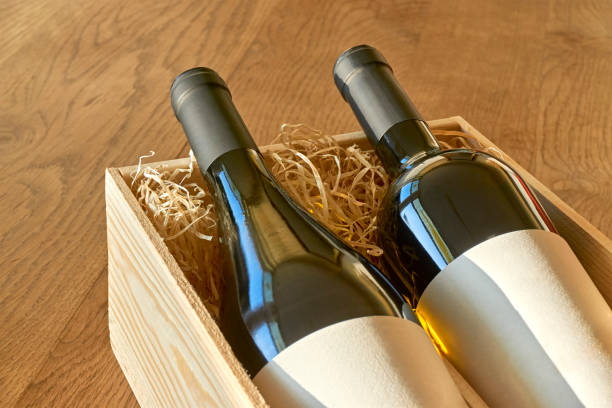
Here is the simplest way to begin “collecting” without becoming someone who talks about collecting: buy two bottles of a wine you genuinely love. Drink one now. Keep one for later. That’s it. The easiest way to start collecting is buying two bottles and giving one a future.
This one habit turns you into a student of your own taste. Because you’re not reading about ageing you’re experiencing it. Six months later, a year later, two years later, you open the second bottle and ask: what changed? Did the fruit soften? Did the texture become smoother? Did the wine become more interesting, or did it lose its spark? You learn more from that one comparison than from a hundred tasting notes written by strangers.
STORAGE RULES
Now, let’s bring this home to Botswana, where reality has a way of humbling wine dreams.
Storage matters. Heat kills. Do not try to age wine on a windowsill while praying. Wine needs cool, dark, stable conditions. If you don’t have a wine fridge, find the coolest, darkest place in your home a low cupboard, a closet, a spare-room corner on the floor. Keep the bottles still. Keep them out of sun. Keep them away from appliances that turn your kitchen into a slow oven.
And please remember: you don’t have to age everything. Age a few bottles with intention and drink the rest with joy.
FINAL POINT
Because this is the real point. Wine collecting, at its best, is not status-building. It’s memory-building. It’s opening a bottle you saved and realising it tastes like a chapter of your life the year you bought it, the person you drank it with, the way the night unfolded. It’s not a flex. It’s a timeline.
So, if you’ve got a “special day” bottle at home, consider this your permission slip: open it. Create the day. And if you want to start ageing wine properly, buy two bottles next time one for now, and one for future you.