
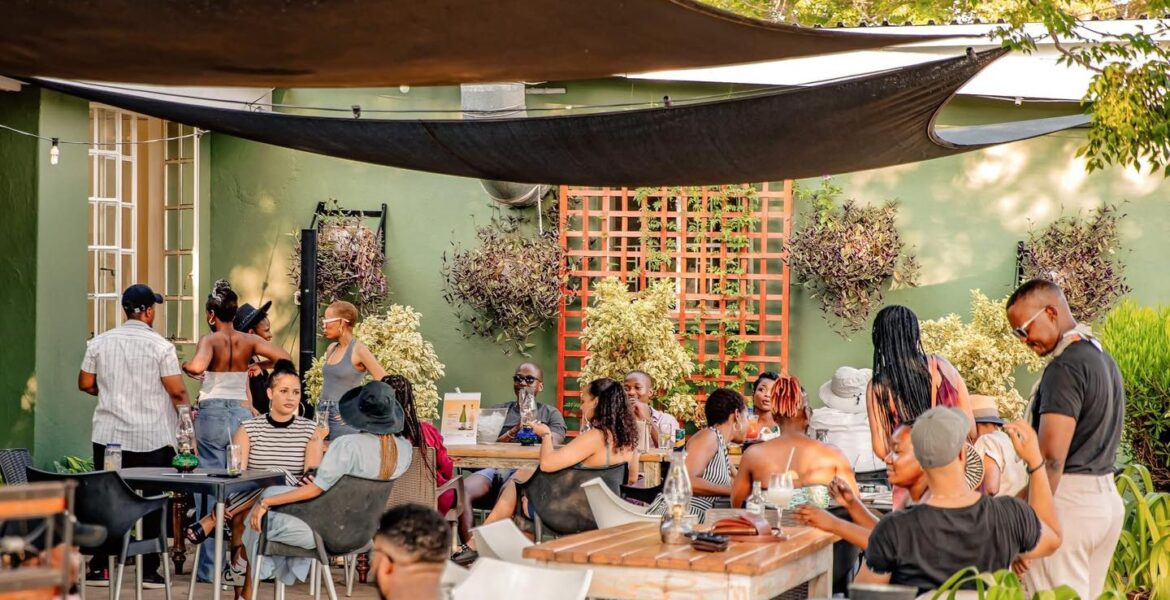
As Zest prepares to close its doors at the Gaborone Club, the city reflects on a space that fed more than stomachs—it fed friendships, movements and moments that mattered
GOSEGO MOTSUMI
When Zest announced it would be closing its doors at the Gaborone Club at the end of the month, the news landed softly—but deeply. Not because Gaborone is losing a restaurant, but because it’s saying goodbye to a space that felt like home.
“This space has been more than a restaurant, it’s been a home for youth, artists, activists, friends, families, strangers who became friends,” founder Calvin Williams told Time Out on behalf of his family.
Zest mattered because it created something rare in the city: a place that didn’t rush you, didn’t perform exclusivity, and didn’t ask you to fit a mould. You came as you were and stayed longer than planned.
FROM MARKETS TO MOVEMENTS
Long before it became a permanent space, Zest was already building community. It started at local markets —Chill Step, Jam for Brunch, Thapong Night Market—when Gaborone’s market culture was still finding its feet.
Zest took its name from the vibrant, fresh, and bold flavours rooted in our family kitchen— flavours that shaped our love for cooking and sharing food,” he said.
“What began as a simple desire to make affordable, made-from-scratch meals grew into something far greater than we ever imagined.”
From chicken strips and the signature secret sauce to huli huli chicken cooked on a bakkie-turned-rotisserie, the food was personal, rooted in family kitchens and shared openly.
A MEETING POINT FOR ART, ACTIVISM & FRIENDSHIP
At the Gaborone Club, Zest became a soft landing spot for artists, musicians, activists, families and young creatives. It hosted long conversations under trees, winter nights around fires, collaborations that began over meals and friendships that outlasted them.
“People were not only coming for the food, but for the feeling of connection around it,” Williams reflected.
In a city hungry for third spaces, Zest quietly became one.
NOT AN END—A TRANSITION
While this chapter as a full-time restaurant is closing, Zest isn’t disappearing. Delivery services and private events will continue, with the same values intact.
“There has recently been the perception that Zest is simply closing. While this chapter as a full-time restaurant is coming to an end, we see this moment as a transition rather than an ending,” said Williams.
“What remains unchanged are the values that shaped Zest from the beginning: community, creativity, and shared experience.”
As Zest invites the city to share one last meal at the Gaborone Club, the message is clear: this wasn’t just a restaurant closing. It was a community saying thank you.