
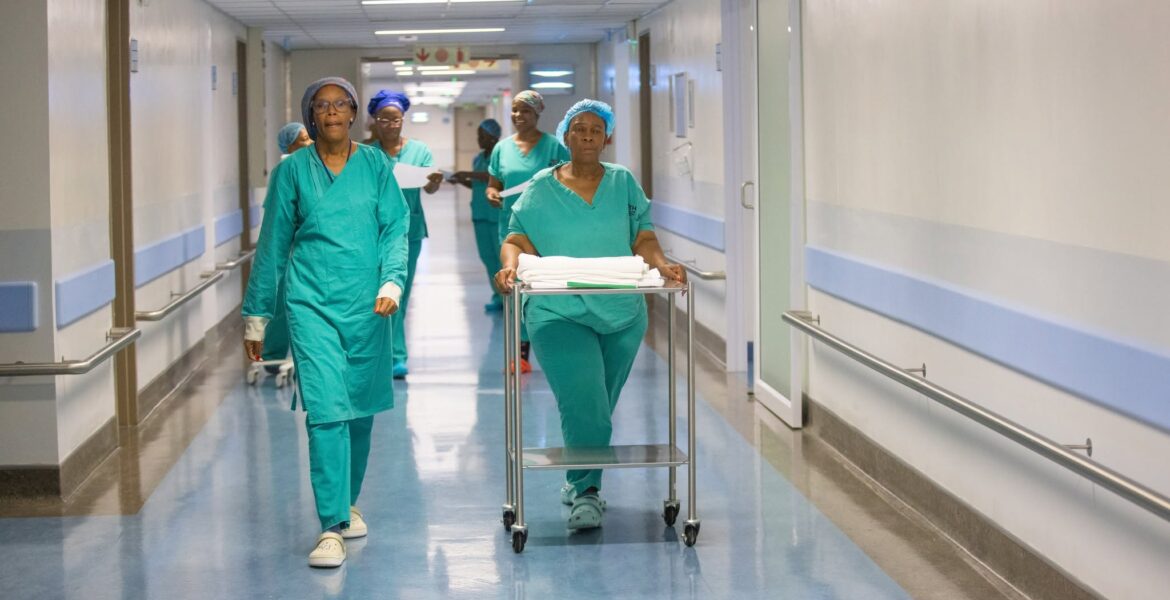
Econsult warns that rising debt costs could consume more than a tenth of government revenue by 2029, squeezing healthcare, education and other essential services.
GAZETTE REPORTER
Botswana faces difficult spending choices as rising public debt and borrowing costs threaten to squeeze government funding for healthcare, education and other essential services.
In its 2026 third-quarter Economic Review, consultancy Econsult warns that further decisions on the level and composition of public spending cannot be avoided if government is to stabilise its finances.
Debt Warning
The firm says Botswana risks moving onto an unsustainable debt path if recent rises in borrowing and interest rates continue.
“If the recent trajectory of rising debt and interest rates is continued, government’s interest payments on debt could reach over 10% of fiscal revenues by 2029, which would restrict funding even further for critical areas of government spending such as healthcare and education,” the review states.
The warning comes amid subdued diamond revenues and pressure to fund healthcare, education, infrastructure and economic diversification.
Econsult says fiscal consolidation is essential even though spending restrictions are hurting parts of the economy.
“While this causes problems for some segments of the economy, in the medium-term fiscal stabilisation is essential and will help to reduce pressure on interest rates and prevent an unsustainable increase in government borrowing,” it states.
Unfunded Promises
“Pressure on the budget will remain, for instance from important but unfunded policy initiatives such as the proposed National Health Insurance scheme,” Econsult observes.
It adds that “further tough choices regarding the level and composition of government spending cannot be avoided.”
Livestock Squeeze
The consultancy also identifies the livestock and beef sector as a major drag on economic growth, warning that FMD-related restrictions could inflict lasting harm.
“With no income from cattle and beef sales (also goats and sheep), while meeting ongoing feeding and labour expenses, many farmers, traders and feedlot operators will struggle to survive commercially,” the report states.
Econsult estimates that about 100,000 households typically earn some income from livestock-related activities, exposing many families to the restrictions.
Fragile Improvement
Preliminary Ministry of Finance figures suggest the 2025/26 budget deficit fell to P16.8 billion, equivalent to 6.1 percent of GDP, while the first quarter of 2026/27 recorded a P2.5 billion surplus.
Econsult cautions that the figures remain provisional and could be revised. It points to the 2023/24 deficit, initially put at P11.1 billion, or 4.2 percent of GDP, before being revised to P14.7 billion, or 5.6 percent.
It also notes that the latest surplus was supported partly by a once-off P7.3 billion distribution from the Bank of Botswana from its 2025 profits.
That payment will lower borrowing needs in 2026/27, but Econsult warns it should not be confused with a sustainable improvement in government finances.