
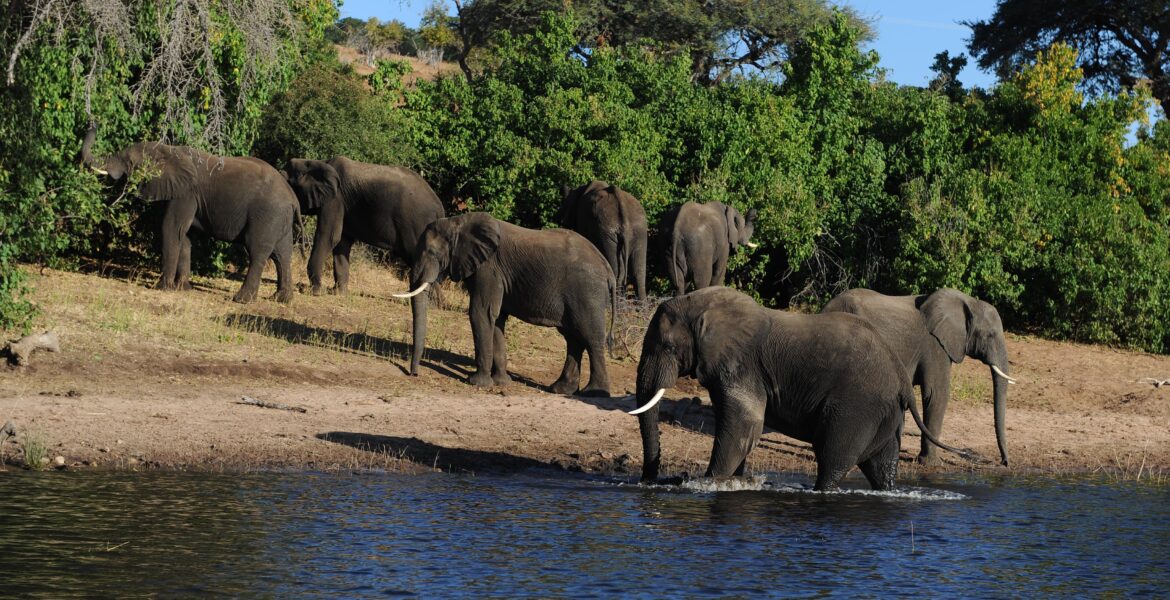
The Elephant Protection Society (EPS) has urged government to ban elephant hunting in human settlement concessions, warning that it puts communities at risk and undermines conservation efforts
SESUPO RANTSIMAKO
The Elephant Protection Society (EPS) has warned that hunting near areas like NG35 exposes residents to danger from stray bullets and aggressive wounded elephants, calling for safer, non-lethal wildlife management measures.
Speaking to The Botswana Gazette, they urged government to urgently review and abolish policies allowing elephant hunting within human settlement concessions, warning that the practice endangers communities and undermines long-term conservation efforts.
Following the issuance of new wildlife hunting quotas by the Ministry of Environment and Tourism, EPS founder Oaitse Nawa raised concerns over hunting activities in the NG35 concession near Maun, where elephants and residents frequently share space.
COMMUNITIES EXPOSED
Nawa said allowing hunting in such areas exposes communities to significant risk, including stray bullets and encounters with wounded, aggressive animals.
“When hunters fail to kill elephants instantly, the animals can become aggressive, increasing the likelihood of attacks on people,” he said, calling for an immediate policy reversal.
EPS argues that hunting in populated areas heightens human-wildlife conflict, as elephants become unpredictable when disturbed, putting lives and livelihoods at risk.
The organisation also warned that the presence of hunting operations near homes, farms, and grazing areas is fuelling fear among residents and disrupting daily life.
ELEPHANTS IMPORTANT
Beyond safety concerns, EPS emphasised the ecological importance of elephants, describing them as a key species in maintaining ecosystem balance and warning against practices that prioritise short-term gains over sustainability.
The society is calling for stronger separation between residential areas and hunting zones, alongside stricter enforcement of wildlife management rules.
It has further recommended non-lethal conflict mitigation measures, including reinforced fencing, early warning systems, and community-based conservation initiatives.
EPS also urged wider public consultation in wildlife policy decisions, arguing that affected communities should have a stronger voice in shaping how wildlife is managed.
While acknowledging the challenges posed by human-elephant conflict, the organisation said solutions must balance conservation with community safety, warning that continued hunting in settlement areas risks damaging Botswana’s reputation as a global conservation leader.