
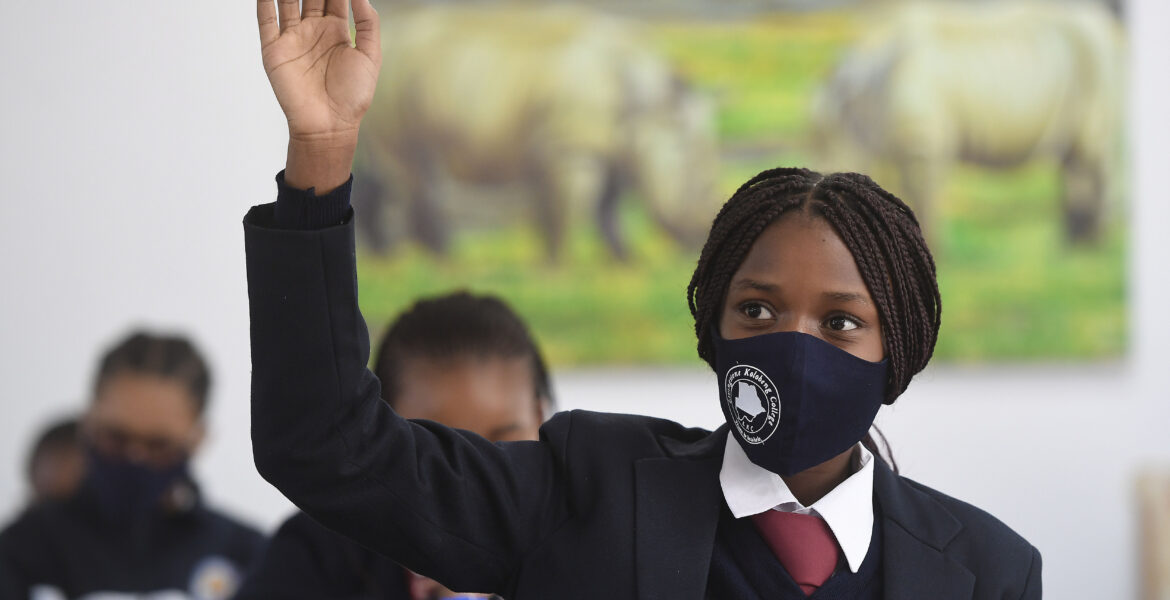
BOSETU and BTU oppose renewed calls to restore corporal punishment, citing intimidation and legal risks and demanding shared responsibility for learner discipline.
SESUPO RANTSIMAKO
Teachers’ unions remain opposed to reinstating corporal punishment in schools despite renewed calls by Members of Parliament, arguing that the practice exposes educators to legal risks and intimidation while failing to address the root causes of indiscipline among learners.
Teachers’ Fears
Speaking to The Botswana Gazette, BOSETU Publicity Secretary Oreeditse Nyatso said some teachers were living in fear as certain learners took advantage of the ban to engage in unruly behaviour.
Nyatso acknowledged that corporal punishment could serve as a deterrent but said it had created serious problems for teachers, with some facing intimidation from parents, prosecution and disciplinary action from Government.
He said remarks made by Minister of Child Welfare and Basic Education Nono Kgafela-Mokoka in April 2025 had reinforced the union’s opposition to corporal punishment.
The minister had alleged that a learner in Selibe-Phikwe had been beaten by five teachers and hospitalised. The allegation angered teachers’ unions, which challenged her to substantiate it, saying their investigations had not established that such an incident had occurred. Kgafela-Mokoka subsequently apologised to the unions.
Nyatso said the episode reinforced teachers’ concerns about the risks of administering corporal punishment, particularly the possibility of facing public condemnation and legal consequences.
MPs’ Motives
He also pointed to President Duma Boko’s opposition to corporal punishment, saying the President had characterized it as violence.
“His word carries more weight. So the MPs are just playing to the gallery and trying to please some parents,” Nyatso said.
He argued that learner discipline should be a shared responsibility involving parents, teachers and Government rather than being placed entirely on educators.
“We can instil the punishment for a short while, but what about in the long run? Who is going to beat the students after completing school?” he asked.
BTU Opposition
BTU spokesperson Lonkokile said the union remained resolute in opposing corporal punishment because teachers had previously found themselves in trouble after physically punishing learners.
She said teachers were unwilling to return to a situation where they could face legal and professional consequences for disciplining students.
Lonkokile maintained that teachers alone could not solve indiscipline in schools and called on parents to become more involved in shaping their children’s behaviour.
Alternative Discipline
Meanwhile, Assistant Minister of Basic Education and Child Welfare Justin Hunyepa said Government had introduced alternative disciplinary measures, including guidance and counselling and encouraging learners to join Scout clubs.
Hunyepa said the ban was consistent with international legislative and policy developments, adding that parents should also take responsibility for disciplining their children.