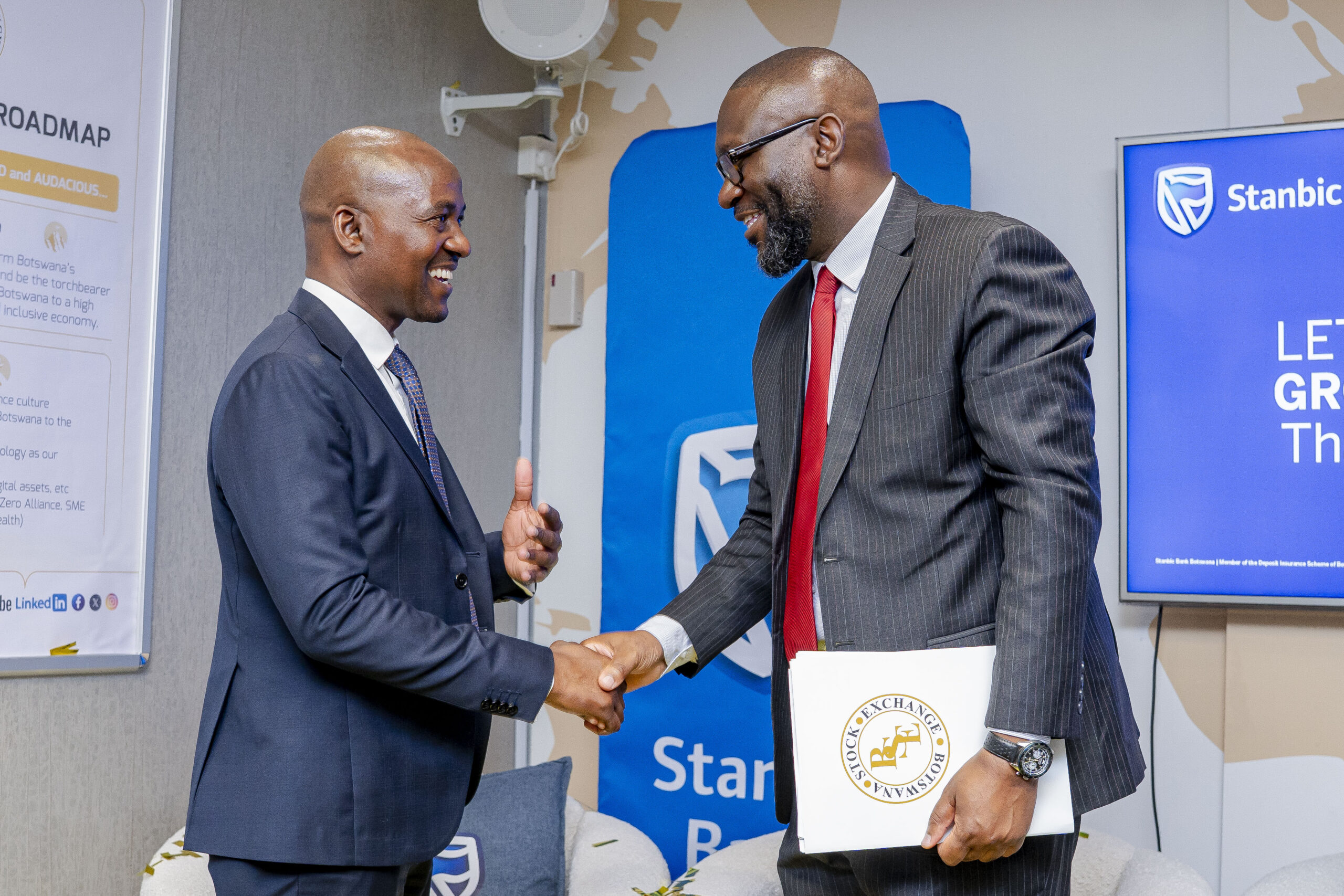
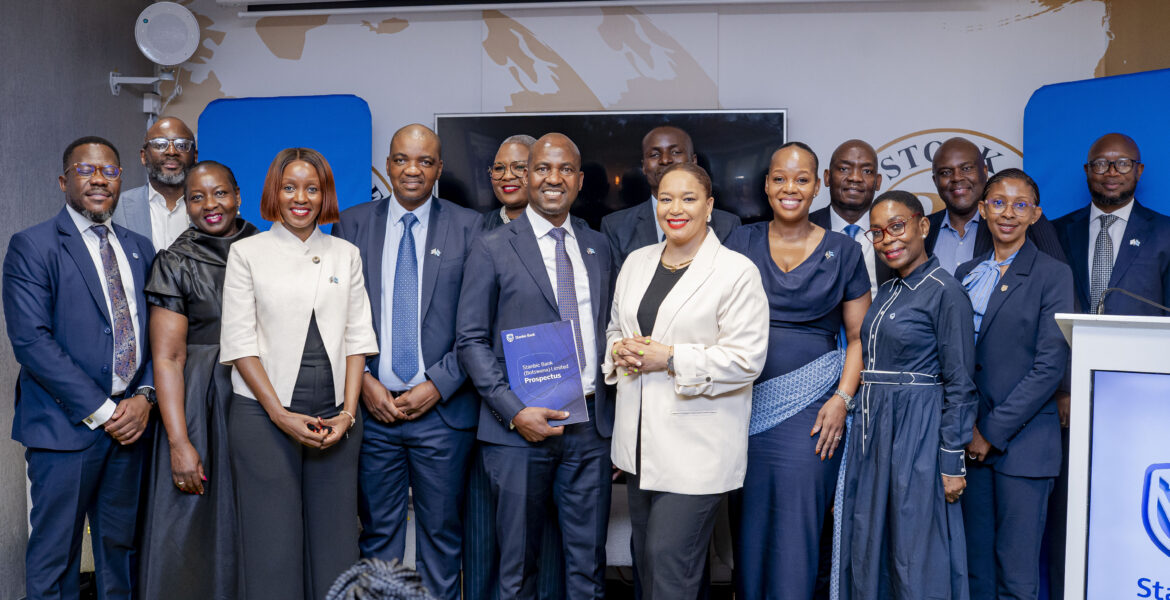
Stanbic Bank Botswana’s public offer matters not because it makes the bank more famous, but because it gives Batswana a chance to share in the future they help create.
By Manuel Veiruapi Ruhapo | The Brand Paradox | The Botswana Gazette
For most people, a bank is not an abstraction. It is where the first salary arrives, school-fee savings are kept, a small business asks for room to breathe and a family plans for the next difficult month.

People place their money, plans and trust in a bank. The bank grows because they use it. Yet the value created has traditionally belonged to those who already own the business.
Stanbic Bank Botswana’s public offer asks: what happens when people are invited to own a piece of an institution that has been part of their lives?
The offer is an invitation to move from customer to participant. Stanbic Africa Holdings is selling an interest in Stanbic Bank Botswana, while the parent is expected to remain the majority owner.
Standard Bank Group’s five-year record provides context, not a promise. Batswana are not being given past wealth or buying Johannesburg-listed parent shares. They are being offered a chance to buy into Stanbic Bank Botswana’s future.
OWNERSHIP PARADOX
The Ownership Paradox is that a large institution can become more personal when it gives people a genuine stake in it.
Financial brands ask customers to save, borrow, transact and plan through them. But trust is usually one-way: the customer places faith in the institution while economic rewards flow to existing shareholders.
A public offer changes the shape of that relationship. The people who make a business relevant can also own a small part of it. They can ask whether it is building value carefully enough to deserve both their capital and custom.

This is a powerful brand moment, not because it makes Stanbic more visible, but because it changes what the relationship can mean. A customer becomes someone with an interest in the bank’s reputation, discipline and future.
TRANSFER PARADOX
The Transfer Paradox is that real wealth transfer is not charity. It is access.
Stanbic’s offer is a sale of existing shares. The proceeds do not go into Stanbic Bank Botswana as new operating capital. It does not hand the parent group’s accumulated wealth to Botswana households. It creates access to future local value creation.
It is not a promise that every shareholder will make money. Dividends are not guaranteed and share prices can rise or fall. The prospectus identifies economic, credit, liquidity, technology, cyber, competitive and market risks.

Citizen economic empowerment cannot rest only on jobs, suppliers and sponsorships. Ownership gives people a seat, however small, in businesses that shape the economy.
Once people become owners, the bank must be more than persuasive. It must be explainable, showing that decisions protect both the business and people who place savings in its future.
TRUST PARADOX
The Trust Paradox is that public ownership makes a brand more exposed, and therefore gives it a chance to become more trusted.
Before public ownership, a bank is judged through the queue, app, branch, call centre, loan decision and fees. Afterwards, it is also judged through results, governance, risk, dividends and whether leaders explain difficult conditions honestly.
That scrutiny is proof of a serious brand. Strong institutions explain difficult periods, trade-offs and the reasons behind their decisions.
The offer can become an act of reciprocity. Stanbic has grown through people’s deposits, transactions, borrowing and business activity. It is opening a route for some of those people to share in its future, while holding it to a higher standard.
FOR BOTSWANA
The minimum public application is 250 shares, costing P1,075 before relevant charges. For many households, that calls for understanding, patience and an honest assessment of risk.
The Botswana Stock Exchange (BSE) says investors normally buy and sell through licensed brokers, who arrange accounts through which shares are held. The real test is whether a teacher, nurse, shop owner, graduate or first-time investor can understand the opportunity in clear English and Setswana, then decide without pressure.
If that happens, the offer can do more than create headlines. It can make ownership feel possible and bring the future of a major business into conversations at home, around the family table.
WHAT IT MEANS
Business owners and executives: Treat the listing as a lesson in participation. If you invite customers to own a stake in the business, pair the offer with honest education, clear risk explanation and accessible channels.
Marketing professionals: Do not reduce an IPO to a celebration of size. Translate price, process, risk and ownership into language people can act on. The most valuable campaign outcome is an informed participant, not a confused applicant.
Brand managers: Prepare for a higher transparency standard. Once public ownership enters the story, every results release, customer experience and governance decision becomes brand evidence.
Stanbic is offering Batswana more than a transaction. It is opening a route from trust to participation. The enduring value will lie in whether people feel that their stake is understood, respected and matched by a bank worthy of their confidence.