
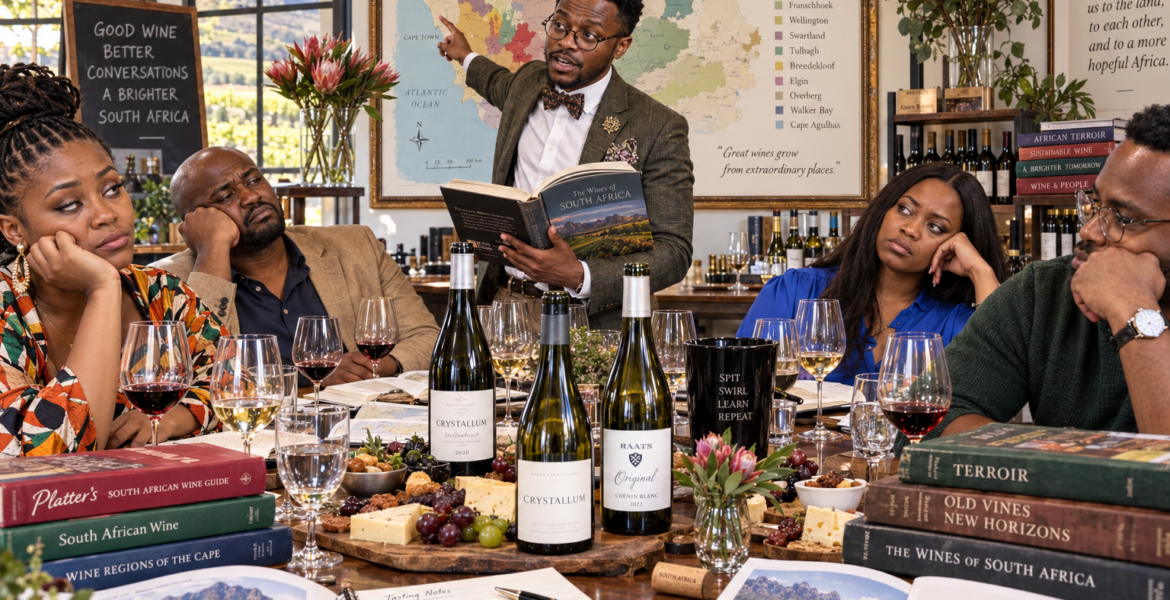
A memorable home wine tasting needs curiosity, structure and a few good bottles, not expensive equipment or a professional consultant.
PHENYO MOTHAGODI
There is something wonderfully sophisticated about a wine tasting. A few bottles on a table, some glasses, a group of friends and suddenly everyone is discussing acidity, tannins and whether that aroma is blackcurrant, blackberry or simply the bottle of hand wash sitting too close to the kitchen.
But not every tasting needs the full professional treatment. Perhaps you are having friends over, planning a family celebration, hosting clients or simply want to do something more interesting than putting a bottle of wine on the table and hoping the conversation takes care of itself. You can absolutely put together your own wine tasting, and with a little planning, it can be a very good one.
 DISCOVER MORE
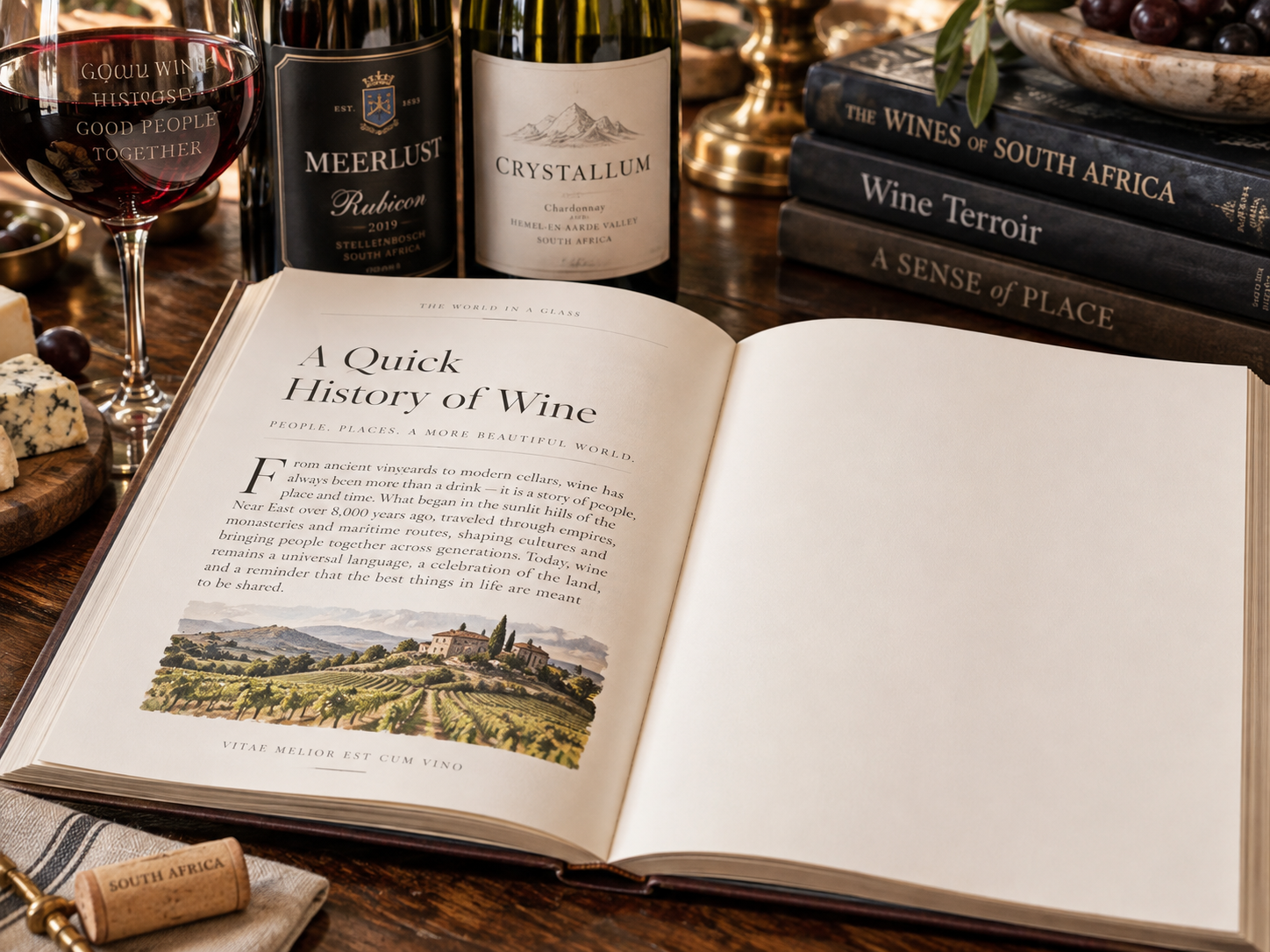
It is probably the mistake I see most often. Someone announces that they are hosting a wine tasting and then produces the same Chardonnay, Cabernet Sauvignon and Sauvignon Blanc everyone has been drinking for the last three years.
Congratulations. You have organised a familiar drinking session and put glasses on the table. The whole point of a tasting is discovery. If everyone already knows the wines, the grape varieties and the brands, there is very little to discover beyond whether the bottle is still as good as they remember.
And here is the slightly uncomfortable part: the host should also be willing to explore. If you are going to invite people to discover something new, you cannot spend the entire afternoon Googling grapes you have never tasted and then pretending to be the resident expert at 7pm.
PICK A THEME
A tasting becomes much easier to organise when there is a reason behind the wines. You could compare Cabernet Sauvignon from different regions, explore South African Chenin Blanc, taste wines made from lesser-known grape varieties, look at Old World versus New World styles, or simply choose six wines around a theme such as “wines worth discovering.”
You do not need eight or ten wines. Five or six is more than enough for a home tasting.
KEEP IT SIMPLE
Ideally, use clean glasses of a reasonably similar shape so that people are not tasting from a champagne flute, a tumbler and a water glass and wondering why the wines are behaving differently. But do not let the absence of specialist stemware stop you. A decent wine glass is better than no tasting at all.
You also do not need expensive printed tasting sheets. Give everyone a piece of paper and ask them to score each wine out of 10 or 100, then jot down what they smell, taste and like or dislike. The important thing is to get people thinking about the wine rather than simply swallowing it.
TASTE BEFORE REVEAL
Pour the wines without revealing exactly what they are. You do not have to run a forensic blind tasting worthy of a sommelier competition, but hiding the labels can remove some of the assumptions people bring to the table. A famous producer, expensive bottle or prestigious region can influence expectations before the wine even reaches the mouth.
Ask everyone to look at the wine, smell it and taste it before revealing the identity. Then let the arguments begin. One person might love the wine everyone else has rejected. Someone might confidently declare that they are drinking Pinot Noir and discover that it is actually something completely different. That is not failure. That is wine.
KEEP IT FUN
Your guests are not sitting for a wine diploma. The point is to make them curious. Ask simple questions. Which wine do you prefer? Which one would you buy? Which one would you serve with dinner? Which one surprised you?
If someone says, “It smells like my grandmother’s spice cupboard,” don’t immediately correct them because the official tasting note says clove and nutmeg. Ask them what they mean. Their reference point may be completely different from yours, and that is exactly what makes tasting interesting.
FEED PEOPLE
Wine and food belong together, and a tasting is much more enjoyable when there is something to eat. This does not mean you need to create a twelve-course menu. Cheese, cured meats, crackers, fruit, nuts and a few savoury bites can provide enough to keep everyone comfortable.
For a more local experience, think beyond the usual cheese board. Seswaa, grilled meats, spicy chicken, roasted vegetables and other familiar flavours can produce fascinating pairings. You might discover that a wine you disliked on its own suddenly makes perfect sense with food.
CREATE AN EXPERIENCE
The difference between a collection of bottles and a wine tasting is storytelling. Tell people why you chose the wines. Give them a little background on the grape, the region or the producer. Explain one or two things worth noticing, then let the wine do the rest. Put the bottles in an order that makes sense, generally moving from lighter styles to fuller ones, and keep the pace relaxed.
The best tastings are rarely the ones where everyone agrees. They are the ones where everyone leaves having discovered something.
STAY CURIOUS
A professional wine consultant will bring knowledge, structure, sourcing, equipment and experience that can elevate an event considerably. That is what you are paying for, and when the occasion calls for it, it is money well spent. But you don’t need a consultant to start exploring wine.
You need five or six bottles you are genuinely curious about, a few friends, decent glasses, something to eat and a willingness to learn alongside your guests.
So the next time you are planning an evening around wine, resist the urge to buy the six bottles everyone already knows. Be a little adventurous. Choose a grape nobody can pronounce, a producer nobody has heard of or a region that sends everyone to Google.
You might choose badly. You might choose brilliantly. Either way, you will have done something much more valuable than simply opening another bottle. You will have discovered something. And that, ultimately, is what a good wine tasting is supposed to be about.